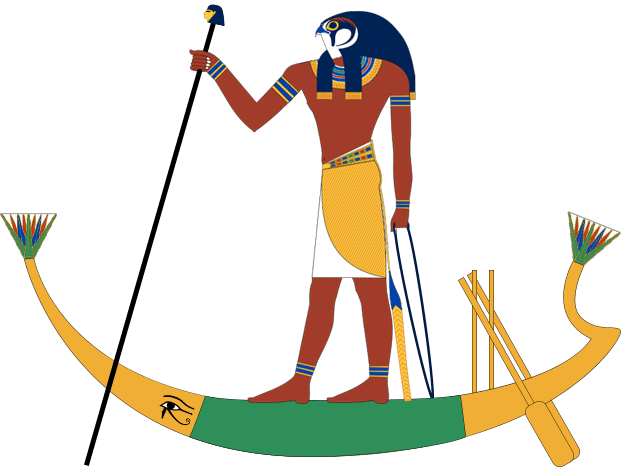
In the realm of Egyptian mythology, the concept of anti is deeply intertwined with the beliefs and practices of ancient Egyptians. This term often relates to the forces of chaos, disorder, and the opposing aspects of the divine. Understanding how the ancient Egyptians perceived anti provides valuable insights into their worldview and religious practices. The duality of existence was a fundamental aspect of their mythology, with gods and goddesses representing both creation and destruction, order and chaos.
The Nature of Anti
The concept of anti in Egyptian mythology can be associated with the idea of chaos or disorder. In contrast to the ordered world represented by the god Ma’at, who embodied truth, balance, and cosmic order, anti signifies the opposite forces that threaten to disrupt harmony. This duality is evident in various myths and stories, where gods engage in battles against chaotic entities to maintain balance in the universe.
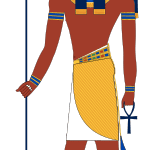 Anubis
One of the most significant representations of anti is the chaos serpent known as Apep or Apophis. Apep was considered the embodiment of chaos and darkness, constantly attempting to swallow the sun god Ra during his nightly journey through the underworld. The struggle between Ra and Apep symbolizes the eternal conflict between order and chaos, light and darkness. This myth reflects the ancient Egyptians’ belief that the world must be continuously defended against the forces of anti.
The Role of Gods in Maintaining Order
In Egyptian mythology, the gods played a crucial role in combating anti and maintaining cosmic order. Ra, the sun god, was central to this struggle. Each night, he would journey through the underworld, facing Apep and other chaotic forces. This nightly battle was vital for the rising of the sun each morning, representing the triumph of order over chaos. The Egyptians believed that through rituals and prayers, they could assist the gods in their struggle against anti.
- Osiris: The god of the afterlife, Osiris, also represented order and resurrection. His story involves overcoming death and chaos, symbolizing the cyclical nature of life.
- Horus: The son of Osiris, Horus, was often depicted as a falcon and represented kingship and the sky. His battles against the chaotic forces represented the divine right of kings to rule and maintain order.
- Set: Interestingly, Set, the god of chaos, was also a necessary component of the divine balance. His role in mythology illustrates the complex nature of anti and its place within the larger cosmic order.
The Egyptians believed that the daily rituals performed by priests were essential to support the gods in their battles against anti. These rituals included offerings, prayers, and the recitation of sacred texts. The goal was to ensure that the gods remained strong and capable of overcoming the forces of chaos, thereby maintaining harmony in the universe.
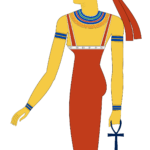 Anuket
The Symbolism of Chaos in Egyptian Art
Egyptian art often reflects the duality of order and chaos, with many depictions illustrating the constant struggle against anti. Temples and tombs were adorned with images of gods triumphing over chaotic forces, serving as a reminder of the ongoing battle between good and evil. Such artworks were not merely decorative; they held profound spiritual significance and were believed to protect the deceased in the afterlife.
One notable example is the depiction of Apep in various reliefs and paintings. Artists portrayed Apep as a massive serpent, emphasizing his threatening nature. The imagery often shows gods like Ra or Horus attacking Apep, symbolizing the victory of order over chaos. These artistic representations served to reinforce the belief in the power of the gods to maintain balance in the universe.
The Concept of Ma’at
The principle of Ma’at is central to understanding the Egyptian worldview and its relationship with anti. Ma’at represents truth, justice, and cosmic order, serving as the foundation for Egyptian society. The pharaohs were seen as the earthly embodiment of Ma’at, tasked with upholding order and ensuring the prosperity of the land. Any disruption to Ma’at was believed to invite chaos and disorder, highlighting the importance of maintaining balance.
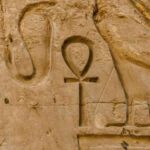 Ankh
AnkhIn many ways, the struggle against anti can be seen as a struggle for Ma’at. The Egyptians believed that if the pharaoh and the people failed to uphold Ma’at, the consequences would be dire. Natural disasters, famine, and social unrest were all viewed as manifestations of chaos resulting from the breakdown of order. Thus, the concept of anti was not just a mythological idea but a critical aspect of daily life and governance.
Myths Illustrating Anti
Numerous myths in Egyptian mythology illustrate the concept of anti and the ongoing struggle against chaos. One prominent myth is the story of Osiris, who was killed by his brother Set, the god of chaos. Set’s actions represented the ultimate disruption of order, leading to a series of events that involved resurrection, revenge, and the restoration of balance. This myth highlights the intricate relationship between chaos and order, showcasing how even the gods must contend with anti.
Another significant myth is the journey of Ra through the underworld. Each night, as Ra travels through the dark realm, he faces various challenges, including battles with Apep. The successful navigation of these trials ensures the return of the sun each morning, reinforcing the belief that order can prevail over chaos. This cyclical journey emphasizes the ongoing nature of the struggle against anti, illustrating that balance must be continually fought for.
Rituals Against Anti
The ancient Egyptians developed a variety of rituals designed to combat anti and reinforce the principles of Ma’at. These rituals were performed by priests and were believed to be essential for maintaining cosmic order. One common practice involved the daily offerings made to the gods, which included food, drink, and incense. These offerings were not merely acts of devotion but were seen as vital to sustaining the gods’ strength in their battle against chaos.
Additionally, the Ritual of the Opening of the Mouth was performed on mummies to ensure that the deceased could eat and drink in the afterlife. This ritual symbolized the restoration of life and order, allowing the dead to join the gods in their eternal struggle against anti. Such practices highlight the importance of rituals in Egyptian society, serving as a means to connect with the divine and maintain the balance between order and chaos.
The Afterlife and Anti
The concept of anti also played a significant role in Egyptian beliefs about the afterlife. The ancient Egyptians believed that the journey to the afterlife was fraught with dangers, including encounters with chaotic forces. The Weighing of the Heart ceremony, a pivotal moment in the afterlife journey, involved the heart of the deceased being weighed against the feather of Ma’at. A heart heavy with sin and chaos indicated a life lived in opposition to order, resulting in the soul being devoured by the monster Ammit.
This belief underscores the significance of maintaining Ma’at throughout one’s life. The struggle against anti did not end with death; rather, it continued in the afterlife, where the deceased faced judgment based on their adherence to the principles of order and truth. The fear of chaos in the afterlife motivated many to live righteous lives, reinforcing the connection between anti, morality, and the divine.
The Legacy of Anti in Modern Times
Even today, the concept of anti in Egyptian mythology continues to influence modern interpretations of chaos and order. The duality represented by anti is often mirrored in contemporary discussions about the balance between good and evil, stability and chaos. Scholars and enthusiasts of mythology frequently reference the Egyptian understanding of chaos to explore themes in literature, art, and psychology.
Furthermore, the ancient Egyptians’ approach to chaos has inspired various cultural expressions, including films, literature, and visual arts. The struggle against anti resonates with universal themes of conflict, resilience, and the quest for balance. As societies grapple with the complexities of modern life, the lessons from Egyptian mythology regarding the importance of maintaining order amid chaos remain relevant.
Conclusion: The Enduring Relevance of Anti
The concept of anti in Egyptian mythology serves as a profound reminder of the eternal struggle between chaos and order. Through their myths, rituals, and beliefs, the ancient Egyptians crafted a rich narrative that illustrates the complexities of existence. The ongoing battle against anti not only shaped their understanding of the world but also provided a framework for navigating the challenges of life. As we explore these ancient beliefs, we gain valuable insights into the human experience and the timeless quest for harmony amidst chaos.