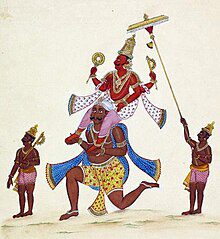
Nirrti is a significant figure in Hindu mythology, often associated with darkness, destruction, and misfortune. She is considered a goddess who embodies the darker aspects of existence. In the vast pantheon of Hindu deities, Nirrti holds a unique place, often contrasted with more benevolent deities. Her character is complex, symbolizing not just chaos and fear, but also the necessity of balance in the universe. Understanding Nirrti requires delving into various texts and interpretations, revealing the multifaceted nature of her influence in Hindu belief systems.
The Origins of Nirrti
The origins of Nirrti can be traced back to ancient Vedic texts, where she is first mentioned in the Rigveda. In these texts, she is often associated with death and the afterlife. Her name is derived from the Sanskrit root “nirṛta,” which means “to perish” or “to destroy.” This etymology highlights her role as a goddess of decay and the inevitable cycle of life and death. Nirrti’s presence in the Vedic literature indicates that she was worshipped in early Hindu practices, reflecting the people’s understanding of the duality of existence.
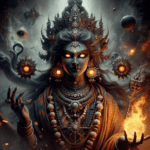 Nirrta
Nirrti is often depicted as a dark figure, embodying the concept of chaos that exists alongside order. While the gods of creation and preservation are celebrated, Nirrti serves as a reminder of the importance of acknowledging the darker sides of life. In this way, she plays a crucial role in the balance of the cosmos, representing the necessity of both creation and destruction. Her character encourages followers to confront their fears and accept the inevitable changes that life brings.
Nirrti in the Puranas
The Puranas, a genre of ancient Indian literature, further elaborate on Nirrti’s character and significance. In these texts, she is often depicted as a goddess who brings calamities and misfortunes. For instance, she is sometimes associated with natural disasters and diseases, which can be seen as manifestations of her chaotic nature. The Puranas describe her as a fierce and powerful deity, one who must be respected and appeased to avoid her wrath.
In various stories within the Puranas, Nirrti is portrayed as a guardian of the underworld. Her role in the afterlife emphasizes the belief in the cyclical nature of existence. Souls who have departed this world must navigate her domain, facing the consequences of their actions in life. This aspect of Nirrti underscores the importance of moral conduct and the belief in karma within Hindu philosophy. She serves as a reminder that one’s actions have repercussions, both in this life and beyond.
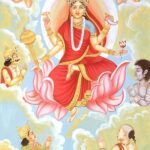 Navadurgas
Nirrti’s Symbolism
Nirrti’s symbolism is rich and varied, encompassing themes of destruction, chaos, and the necessity of change. As a goddess associated with darkness, she represents the fears and uncertainties that accompany human existence. Her presence is a stark reminder that life is not solely about joy and prosperity; it also includes suffering and loss. This duality is essential in understanding the full spectrum of life experiences.
Furthermore, Nirrti symbolizes the idea of transformation. Just as the night gives way to dawn, destruction often paves the way for new beginnings. In this sense, Nirrti can be seen as a catalyst for change, urging individuals to let go of the past and embrace new opportunities. This aspect of her character resonates with many who seek to navigate difficult periods in their lives, encouraging them to find strength in adversity.
Worship and Rituals
Despite her fearsome reputation, Nirrti is worshipped in various forms. Devotees often seek her blessings to ward off misfortune and to find strength in difficult times. Rituals dedicated to Nirrti may involve offerings of flowers, incense, and food. These offerings are meant to appease her and seek her favor, acknowledging her role in the balance of life. By honoring Nirrti, worshippers express their understanding of the complexities of existence and their desire to navigate them with grace.
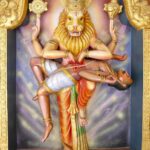 Narasimha
One common ritual involves creating a small shrine dedicated to Nirrti, where devotees can pray and meditate. This practice allows individuals to connect with her energy and seek guidance in times of distress. Additionally, some communities hold festivals that honor her, celebrating the idea of overcoming obstacles and embracing the challenges of life. These events often include music, dance, and storytelling, reflecting the cultural significance of Nirrti in the lives of her followers.
Nirrti in Modern Context
In contemporary Hindu practice, Nirrti’s influence can still be felt, albeit in a more nuanced manner. While many may not actively worship her, her teachings about balance and acceptance of life’s challenges resonate with modern sensibilities. In a world filled with uncertainties, her lessons on resilience and the acceptance of both joy and sorrow provide valuable insights. Many people turn to her mythology for inspiration when facing personal struggles, finding comfort in her complex nature.
Moreover, Nirrti’s character has inspired various forms of art and literature. Modern interpretations of her story often explore themes of empowerment, resilience, and the journey through darkness towards light. Artists and writers draw upon her symbolism to create works that reflect the human experience, emphasizing the importance of acknowledging and embracing all aspects of life. This creative engagement with Nirrti showcases her enduring relevance in the cultural landscape.
Comparative Mythology
Nirrti’s role in Hindu mythology can be compared to similar figures in other cultures. For instance, in Greek mythology, the goddess Hecate embodies many of the same themes as Nirrti. Both goddesses are associated with darkness, the underworld, and the cycles of life and death. Hecate, like Nirrti, serves as a guide for souls navigating the challenges of existence, highlighting the universal nature of these themes across different cultures.
Additionally, Nirrti can be likened to figures such as the Goddess Kali, who also represents destruction and transformation. While Kali is often celebrated for her fierce and protective nature, Nirrti’s focus on chaos and misfortune serves as a reminder of the darker aspects of life that must be acknowledged. This comparative analysis reveals the shared human experience of grappling with the complexities of existence, regardless of cultural background.
As a goddess of darkness and destruction, Nirrti plays a crucial role in Hindu mythology. Her complex character serves as a reminder of the necessity of balance in the universe, encouraging individuals to confront their fears and embrace the challenges of life. Through her worship and the rituals dedicated to her, devotees acknowledge the duality of existence, finding strength in adversity. Nirrti’s enduring influence continues to inspire individuals, reminding them of the importance of resilience and acceptance in navigating the journey of life.