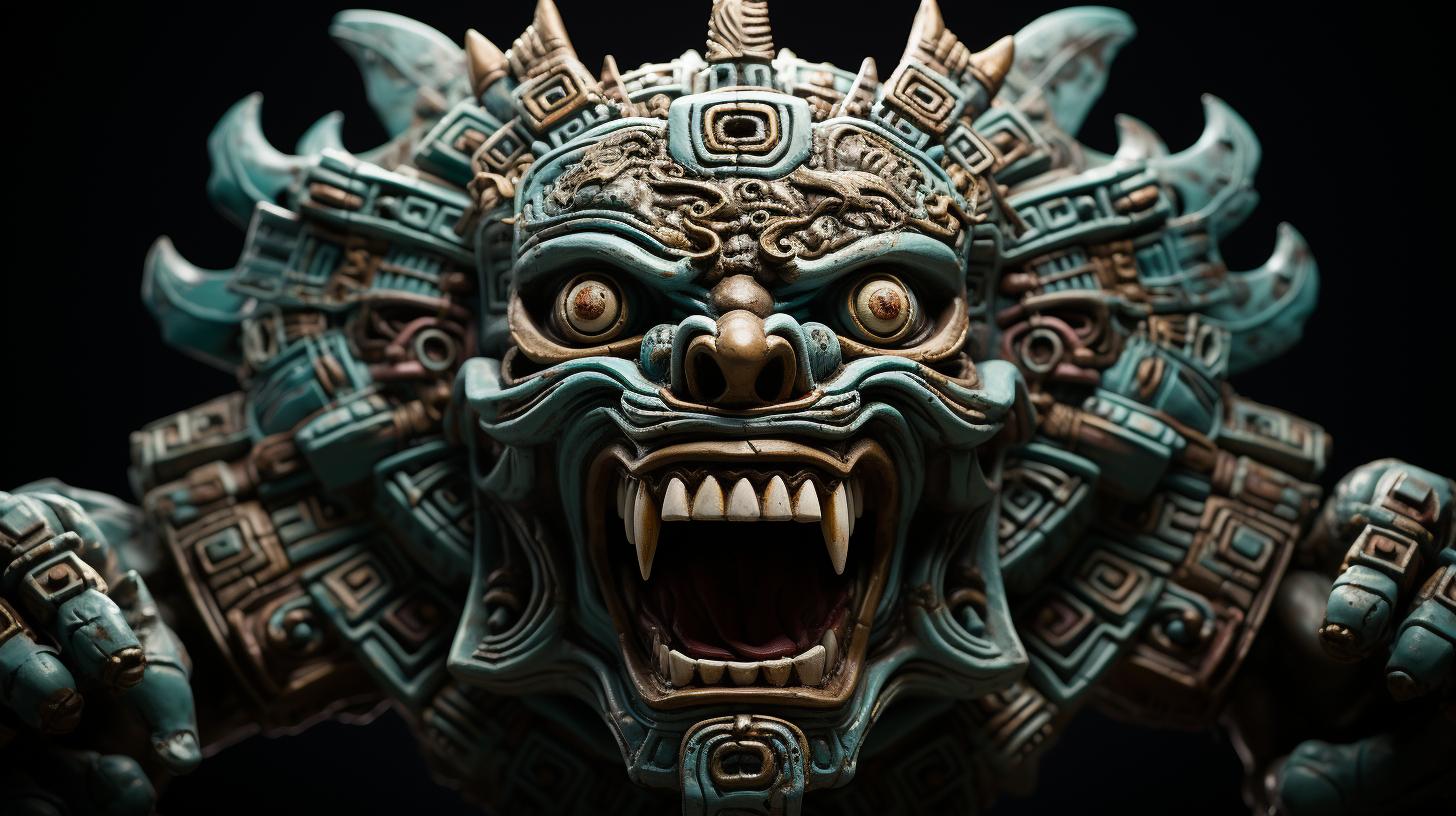
Cabrakan is a significant figure in Maya mythology, known as the god of mountains and earthquakes. His presence is deeply woven into the cultural fabric of the ancient Maya civilization, representing the raw power of nature. Cabrakan is often depicted as a formidable being who has control over the forces that shape the earth, including earthquakes, landslides, and volcanic activity. The Maya people revered him, understanding that while he could be a source of destruction, he also played a crucial role in the balance of their environment. His worship reflects the Maya’s profound respect for nature and the elements.
The Origins of Cabrakan
The origins of Cabrakan are intertwined with the creation myths of the Maya. In these stories, Cabrakan is often associated with the mountains and the earth itself. He is sometimes depicted as a brother of the maize god, a relationship that emphasizes the interconnectedness of all natural elements. According to the legends, Cabrakan was born from the earth, making him an essential part of the natural world. His name itself translates to “the one who shakes the earth,” a fitting title for a deity responsible for earthquakes.
 Buluc Chabtan
In many myths, Cabrakan is described as a powerful figure who can cause great destruction. This aspect of his character highlights the Maya’s understanding of the duality of nature—while it can be nurturing and life-giving, it can also be fierce and unforgiving. Cabrakan embodies this duality, reminding the Maya that they must respect the power of the earth. His stories often serve as cautionary tales about the consequences of disrespecting nature and the importance of living in harmony with it.
Cabrakan in Maya Rituals
The worship of Cabrakan involved various rituals and ceremonies aimed at appeasing him. The Maya believed that by honoring Cabrakan, they could prevent natural disasters and ensure the safety of their communities. Offerings were made to him, which included food, incense, and sometimes even blood sacrifices. These rituals were not only acts of devotion but also practical measures to maintain a good relationship with the forces of nature.
One of the most significant rituals dedicated to Cabrakan involved the construction of altars on mountain tops. These altars served as sacred spaces where priests could communicate with Cabrakan and seek his favor. The Maya would gather at these altars during important agricultural cycles, particularly before planting and harvesting. By invoking Cabrakan’s blessings, they hoped to secure a bountiful harvest and protect their crops from the unpredictable elements.
 God R
God RCabrakan’s Symbolism
Cabrakan is rich in symbolism, representing not just physical mountains but also the spiritual challenges that individuals face. He is often seen as a guardian of the earth, representing strength and resilience. The mountains he governs are a source of life, providing water, shelter, and resources for the Maya people. This dual role as both a protector and a force of destruction emphasizes the importance of balance in nature and life.
In addition to his physical representation, Cabrakan is also associated with the concept of stability. Mountains are seen as a foundation for life, and Cabrakan embodies the stability that people seek in their lives. However, the earthquakes and landslides he can cause serve as reminders that stability is not guaranteed. This aspect of Cabrakan’s character encourages the Maya to be adaptable and resilient in the face of change.
Cabrakan in Art and Iconography
Cabrakan’s influence is evident in various forms of Maya art and iconography. He is often depicted in codices, pottery, and sculptures, showcasing his importance in the Maya pantheon. Artists portrayed him with distinctive features, such as a muscular physique and a fierce expression, emphasizing his power over the earth. His imagery often includes mountains, serpents, and other natural elements that highlight his connection to the landscape.
 Bolontiku
One notable representation of Cabrakan can be found in the Maya codices, where he is illustrated alongside other deities. These depictions often show him in dynamic poses, suggesting movement and power. The use of vibrant colors and intricate designs in these artworks reflects the Maya’s deep appreciation for beauty and their understanding of the natural world. Cabrakan’s imagery serves not only as a representation of the god himself but also as a reminder of the respect that the Maya had for nature.
Cabrakan and the Earthquake Mythology
In Maya mythology, earthquakes are often attributed to Cabrakan’s movements. When he shakes the earth, it is seen as a manifestation of his anger or a call for attention. This belief highlights the Maya’s connection to their environment and their understanding of the forces that govern it. Earthquakes were feared and respected, and the stories surrounding Cabrakan provided a framework for understanding these natural phenomena.
The mythology surrounding Cabrakan and earthquakes includes various narratives that explain the reasons behind these events. In some stories, Cabrakan becomes angry due to the disrespect shown by humans towards nature. In other tales, he is portrayed as a protector who shakes the earth to awaken the people to their responsibilities. These myths serve to reinforce the idea that the Maya must live in harmony with the environment to avoid incurring Cabrakan’s wrath.
The Role of Cabrakan in Modern Maya Culture
Today, Cabrakan continues to hold significance in the lives of many modern Maya communities. While some traditional practices have diminished, the reverence for Cabrakan remains strong. Many Maya people still recognize the importance of nature and the need to respect the earth. This respect is often expressed through local customs, storytelling, and celebrations that honor Cabrakan and other deities.
In contemporary Maya culture, Cabrakan is sometimes invoked during community gatherings and rituals. These events often focus on the themes of environmental stewardship and sustainability. By honoring Cabrakan, modern Maya people reaffirm their connection to their ancestors and the natural world. This cultural continuity reflects the enduring legacy of Cabrakan and the values he represents.
Cabrakan and Environmental Awareness
The figure of Cabrakan has become increasingly relevant in discussions about environmental awareness and conservation. As the world faces numerous environmental challenges, the teachings associated with Cabrakan remind people of the importance of living in balance with nature. His stories serve as powerful allegories for the need to respect the earth and its resources.
In many ways, Cabrakan symbolizes the consequences of environmental degradation. His earthquakes can be seen as a metaphor for the disruptions caused by human actions, such as deforestation and pollution. By reflecting on Cabrakan’s role in mythology, people can gain insights into the importance of sustainable practices and the need to protect the planet for future generations.
Cabrakan is a complex and powerful figure in Maya mythology, embodying the duality of nature as both nurturing and destructive. His stories and rituals reflect the Maya’s deep respect for the earth and their understanding of the forces that shape their lives. Through art, mythology, and modern practices, Cabrakan continues to inspire and teach valuable lessons about balance, resilience, and the importance of living in harmony with nature.