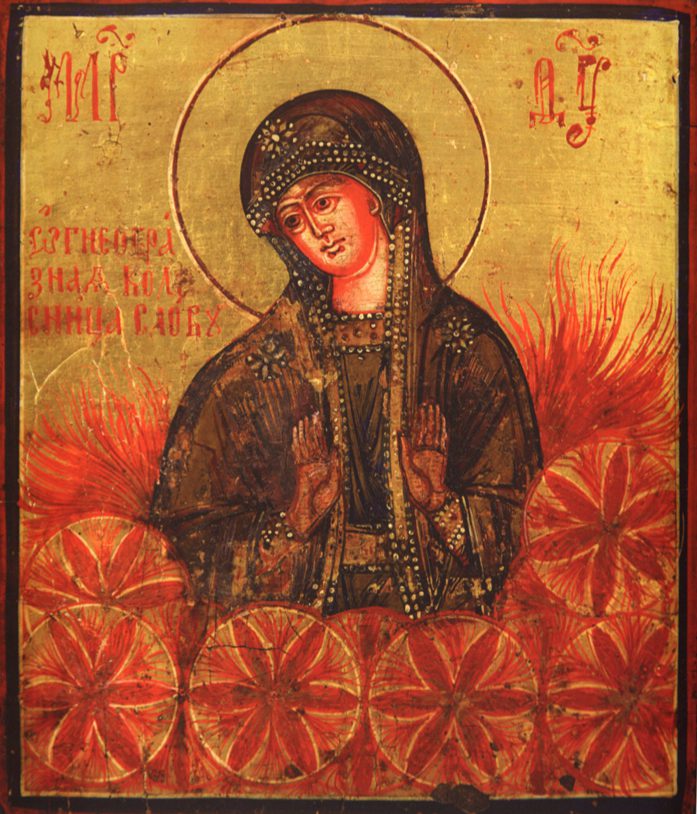
In Slavic mythology, the figure of Oynyena Maria stands out as a significant and intriguing character. She is often depicted as a powerful female entity, embodying various aspects of nature, fertility, and the supernatural. The tales surrounding Oynyena Maria vary from one Slavic culture to another, but her essence remains largely consistent across these narratives. Her name often evokes images of beauty, strength, and a deep connection to the earth and its cycles. As we delve deeper into the lore surrounding Oynyena Maria, we will uncover the layers of her story and the cultural significance she holds in Slavic tradition.
The Origins of Oynyena Maria
The origins of Oynyena Maria can be traced back to ancient Slavic beliefs, where nature and the elements played a crucial role in everyday life. Many scholars believe that she is a representation of the earth’s fertility and the changing seasons. In various legends, she is associated with agriculture and the harvest, symbolizing the nurturing aspect of the land. Oynyena Maria is often depicted as a young woman adorned with flowers, embodying the lushness of spring and summer. This imagery reflects the Slavic reverence for nature and the cycles of life that govern their existence.
 Varpulis
In some stories, Oynyena Maria is portrayed as a goddess or a spirit of the land, capable of bringing both blessings and challenges. Her dual nature is evident in how she is revered during agricultural festivals and also feared during times of drought or famine. This complexity makes her a multifaceted character in Slavic mythology, representing both the nurturing and destructive forces of nature. As we explore her origins further, it becomes clear that Oynyena Maria is not just a figure of myth; she is a symbol of the interconnectedness between humanity and the natural world.
Characteristics and Symbolism
Oynyena Maria is often characterized by her deep connection to the earth and its cycles. She is commonly associated with fertility, growth, and the nurturing aspects of nature. Her presence is celebrated during springtime rituals, where she is invoked for a bountiful harvest and the prosperity of the land. In many Slavic cultures, she is depicted as a beautiful young woman, representing the vitality of life and the potential for growth. This image is a powerful reminder of the importance of respecting and honoring the natural world.
Moreover, Oynyena Maria is sometimes associated with specific elements such as water, earth, and plants. Her connection to these elements highlights her role as a protector of the environment. In various myths, she is said to have the ability to control the weather, bringing rain to parched lands or sunshine to encourage growth. This aspect of her character emphasizes the belief that the well-being of the community is tied to the health of the environment. The Slavic people recognized the significance of their surroundings and understood that a harmonious relationship with nature was essential for survival.
 Jarilo
Oynyena Maria in Folklore
The tales of Oynyena Maria are woven into the fabric of Slavic folklore, where she appears in numerous stories and legends. These narratives often highlight her interactions with other mythical beings, such as spirits, gods, and heroes. In some stories, she is portrayed as a wise and benevolent figure who aids those in need, while in others, she may test the character of those who seek her favor. This duality adds depth to her character and showcases the moral lessons embedded in these myths.
- Helping the Harvesters: One popular tale tells of how Oynyena Maria helped a group of farmers during a particularly difficult season. When their crops were failing, she appeared to them in a dream, guiding them to the right methods of planting and caring for their fields. This story illustrates her role as a nurturing figure who provides wisdom and assistance to those who respect her.
- The Test of Worthiness: In another legend, a young man sought Oynyena Maria’s blessing for a successful harvest. However, she challenged him to prove his dedication by completing a series of arduous tasks. This narrative emphasizes the importance of hard work and respect for nature, as Oynyena Maria only rewards those who show genuine commitment.
Rituals and Celebrations
Throughout history, various rituals and celebrations have been dedicated to Oynyena Maria, particularly during the spring and harvest seasons. These events are characterized by communal gatherings, music, dance, and offerings to honor her. One of the most notable celebrations is the Spring Festival, where people come together to welcome the arrival of warmer weather and the promise of new life. During this festival, participants often create elaborate floral wreaths, symbolizing the beauty and fertility of the earth.
Another important ritual involves the creation of a special doll, known as the Oynyena Doll, which is made from natural materials like straw and cloth. This doll is adorned with flowers and placed in fields to invoke Oynyena Maria’s blessings. The act of creating and displaying the doll serves as a tangible expression of the community’s hopes for a fruitful harvest. Such rituals highlight the significance of Oynyena Maria in the agricultural calendar and the deep-rooted traditions that celebrate her influence.
 Dziewanna
Modern Interpretations
In contemporary society, the figure of Oynyena Maria continues to inspire artists, writers, and cultural enthusiasts. Many modern interpretations of her character focus on themes of environmentalism and sustainability. As awareness of ecological issues grows, Oynyena Maria serves as a symbol of the need to protect the earth and honor its resources. Various artistic expressions, including literature, visual arts, and performances, reinterpret her story to resonate with today’s challenges.
- Literature: Many authors have incorporated Oynyena Maria into their works, exploring her character in the context of modern environmental concerns. These stories often reflect the struggle between industrialization and the preservation of nature.
- Art: Visual artists draw inspiration from her imagery, creating pieces that celebrate her connection to the earth and highlight the beauty of natural landscapes.
Regional Variations of Oynyena Maria
Oynyena Maria is not a monolithic figure; her representation varies across different Slavic cultures. Each region has its unique interpretations and stories that reflect local customs, beliefs, and environmental conditions. For example, in some areas, she is primarily associated with the harvest, while in others, she may be seen as a guardian of the forests and wildlife. These variations enrich the overall understanding of her character and the cultural significance she holds in different communities.
In Eastern Slavic traditions, Oynyena Maria is often linked to water and its life-giving properties. She is revered as a spirit who can control rivers and lakes, ensuring that they provide sustenance for the people. In contrast, Western Slavic cultures may emphasize her connection to the earth and agriculture, highlighting her role in ensuring a bountiful harvest. This regional diversity illustrates the adaptability of her character and the ways in which she embodies the specific needs and values of different communities.
Oynyena Maria in Art and Literature
The influence of Oynyena Maria extends into the realms of art and literature, where her character has inspired countless works. Artists often depict her as a beautiful woman surrounded by nature, capturing the essence of her connection to the earth. These artistic representations serve not only as a celebration of her beauty but also as a reminder of the importance of nurturing the environment. Through various mediums, artists explore themes of fertility, growth, and the balance between humanity and nature.
- Poetry: Many poets have written verses dedicated to Oynyena Maria, using her as a symbol of inspiration and hope. These poems often reflect the changing seasons and the cyclical nature of life.
- Paintings: Visual artists have created stunning landscapes featuring Oynyena Maria, highlighting her connection to the natural world and the beauty of rural life.
Oynyena Maria and the Changing Seasons
One of the most significant aspects of Oynyena Maria is her association with the changing seasons. As a symbol of fertility and growth, she embodies the transition from winter to spring and the subsequent abundance of summer. In many tales, her presence is felt most strongly during these seasonal shifts, marking the renewal of life and the promise of prosperity. The cyclical nature of her character reflects the agricultural rhythms that are central to Slavic culture.
During the winter months, Oynyena Maria is often depicted as a protective figure, watching over the land and ensuring that it remains dormant until the time is right for growth. As spring approaches, her influence becomes more pronounced, signaling the awakening of nature and the start of the planting season. This transition is celebrated through various rituals and festivals that honor her role in the agricultural calendar. By recognizing the importance of these seasonal changes, communities reinforce their connection to the land and the cycles of life.
Lessons from Oynyena Maria
The stories and traditions surrounding Oynyena Maria offer valuable lessons about the relationship between humanity and nature. One of the central themes is the importance of respect for the earth and its resources. Through her character, the Slavic people emphasize the need to live in harmony with the environment, recognizing that the well-being of the community is intertwined with the health of the land. This message remains relevant today, as environmental issues continue to challenge societies around the world.
- Hard Work: Many of the tales involving Oynyena Maria emphasize the value of hard work and dedication. Those who seek her blessings often must prove their worth through labor and commitment to the land.
- Community: The rituals and celebrations dedicated to Oynyena Maria highlight the importance of community and cooperation. By coming together to honor her, people strengthen their bonds and reinforce their shared values.
The Legacy of Oynyena Maria
The legacy of Oynyena Maria continues to thrive in modern times, as her character remains a source of inspiration for those who seek to connect with their cultural roots. Many communities still celebrate her through festivals, rituals, and artistic expressions, ensuring that her story is passed down through generations. This enduring legacy serves as a reminder of the rich tapestry of Slavic mythology and the deep connections between humanity and the natural world.
As societies grapple with the challenges of modern life, the teachings of Oynyena Maria resonate more than ever. Her story encourages individuals to reflect on their relationship with the environment and to consider the impact of their actions on the world around them. By embracing the lessons imparted by Oynyena Maria, people can cultivate a deeper appreciation for nature and work towards a more sustainable future.