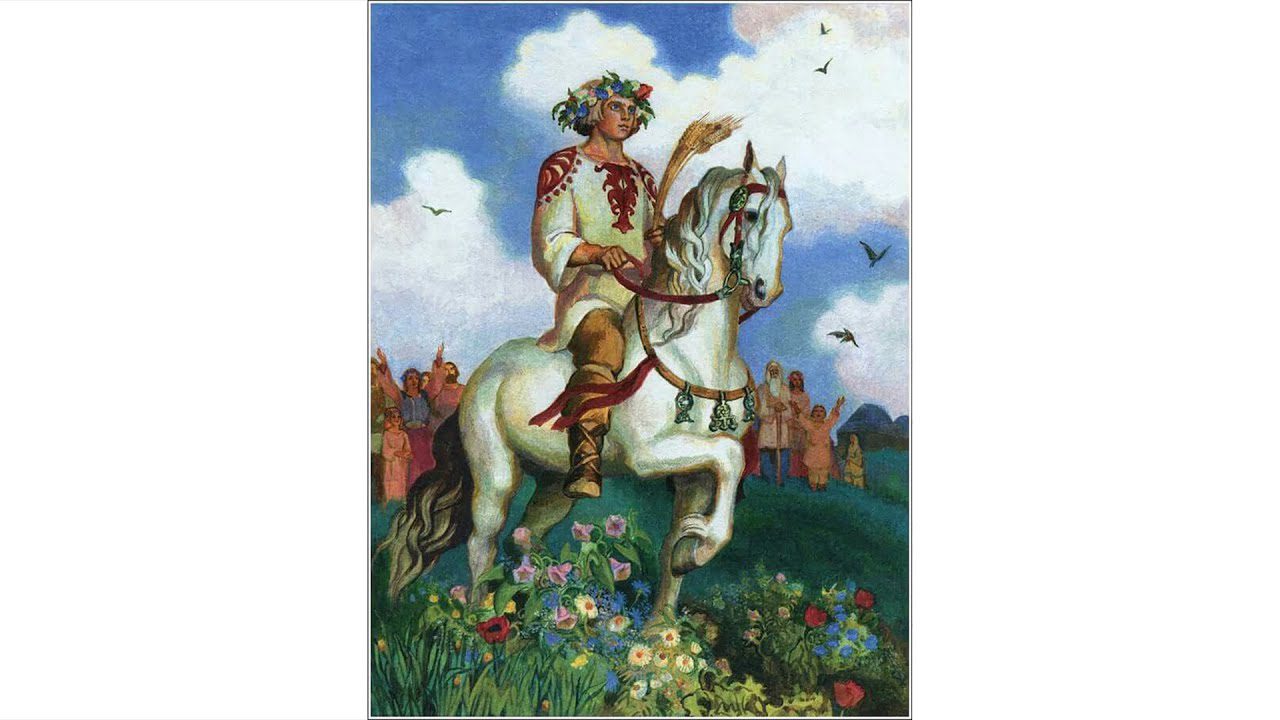
Jarilo is a significant figure in Slavic mythology, representing the duality of nature and the cycles of life. He is often associated with the themes of fertility, spring, and renewal, embodying the rejuvenation of the earth after the harsh winter months. His character reflects the balance between light and darkness, which is a recurring theme in many mythological traditions. Jarilo is not only a god of fertility but also a symbol of the eternal struggle between life and death, growth and decay. This article will delve into the various aspects of Jarilo, exploring his origins, attributes, and the rituals associated with him.
Origins of Jarilo
The origins of Jarilo can be traced back to the ancient Slavic peoples who inhabited Eastern Europe. His name is believed to derive from the Slavic word for “to grow” or “to sprout,” which directly connects him to the themes of fertility and agriculture. Jarilo is often depicted as a young, handsome god, embodying the vitality of spring. He is frequently portrayed riding a white horse, symbolizing purity and the arrival of the new season. The imagery associated with Jarilo reflects the Slavic understanding of the cyclical nature of life, where death gives way to rebirth.
 Dziewanna
In the pantheon of Slavic deities, Jarilo is often linked with other gods and goddesses associated with fertility and the earth. For instance, he is sometimes considered a counterpart to the goddess Mokosh, who is also linked to fertility and the harvest. This connection highlights the importance of balance in Slavic cosmology, where male and female energies are seen as complementary forces. The stories surrounding Jarilo emphasize the significance of agricultural cycles and the importance of honoring the earth’s natural rhythms.
Attributes and Symbolism
Jarilo is rich in symbolism, representing various aspects of life and nature. One of his primary attributes is fertility, making him a crucial figure for farmers and those who rely on the land for their livelihood. His association with spring signifies new beginnings, growth, and the promise of abundance. As the earth awakens from its winter slumber, Jarilo is seen as the force that brings life back to the fields and forests. This rejuvenation is celebrated in various rituals and festivals throughout the Slavic regions.
 Dvorovoi
In addition to fertility, Jarilo is also a symbol of youth and vitality. His youthful appearance and energetic demeanor represent the joys of life and the potential for growth. He embodies the spirit of renewal, reminding people that after every hardship, there is the possibility of rebirth and rejuvenation. This aspect of Jarilo resonates deeply with agricultural communities, who depend on the changing seasons for their survival and prosperity.
Festivals and Rituals
The celebration of Jarilo is marked by various festivals that honor the arrival of spring and the renewal of life. One of the most notable is the festival of Jarilo, which typically occurs during the spring equinox. This festival is characterized by vibrant celebrations, including music, dancing, and feasting. People gather to give thanks to Jarilo for the fertility of the land and to pray for a bountiful harvest. Rituals often involve the decoration of altars with flowers, grains, and other symbols of fertility, emphasizing the importance of nature in the lives of the participants.
During the festival, traditional songs and dances are performed, celebrating the themes of love, fertility, and the beauty of nature. These performances often include reenactments of the mythological stories surrounding Jarilo, highlighting his role as a bringer of life and joy. Participants may also engage in various games and competitions that symbolize the struggles and triumphs of life, reinforcing the community’s connection to the earth and each other.
 Dugnai
Ritual Practices
- Offering to Jarilo: People often leave offerings at sacred sites, such as fields or groves, to honor Jarilo and seek his blessings.
- Planting Rituals: Many communities have specific planting rituals that coincide with the festival, where seeds are sown in the earth as a symbol of new beginnings.
- Processions: Festive processions may take place, where participants carry symbols of fertility and abundance, showcasing their hopes for a fruitful year.
Myths and Legends
Jarilo is central to various myths and legends within Slavic folklore. One prominent story involves his journey from the underworld to the realm of the living, symbolizing the transition from winter to spring. According to the legend, Jarilo descends into the underworld to retrieve the spirits of the earth, awakening them from their slumber. This act of resurrection is celebrated as a pivotal moment in the cycle of life, emphasizing the interconnectedness of all living things.
Another popular myth tells of Jarilo’s interactions with other deities, particularly his relationships with female figures such as Mokosh. These stories often explore themes of love, conflict, and cooperation, illustrating the complexities of nature and human relationships. Jarilo’s encounters with these goddesses highlight the importance of balance and harmony in the natural world, where each deity plays a vital role in the cycles of life.
Jarilo in Contemporary Culture
In modern times, Jarilo continues to be a significant figure in Slavic culture and traditions. Many people still celebrate the festivals associated with him, maintaining the ancient practices that honor the cycles of nature. In some regions, communities have revived traditional agricultural practices that align with the rhythms of the seasons, reflecting the enduring influence of Jarilo in their lives. This resurgence of interest in ancient traditions speaks to a broader movement towards sustainability and a deeper connection to the earth.
Furthermore, Jarilo’s character has inspired various forms of art and literature, where he is often depicted as a symbol of renewal and hope. Contemporary artists draw upon the rich imagery and themes associated with Jarilo to create works that resonate with modern audiences. This fusion of ancient mythology and contemporary expression highlights the timeless relevance of Jarilo’s story and the lessons it imparts about the importance of respecting nature and embracing the cycles of life.
The Duality of Jarilo
One of the most intriguing aspects of Jarilo is his duality, representing both life and death, growth and decay. This duality is essential in understanding the Slavic worldview, where opposites coexist and complement each other. Jarilo embodies the idea that life cannot exist without death, and that the cycles of nature are a continuous dance of creation and destruction. This perspective encourages a deep appreciation for the natural world and the interconnectedness of all living beings.
Jarilo’s dual nature is often reflected in the changing seasons, where the vibrancy of spring gives way to the dormancy of winter. His character serves as a reminder that every ending is also a new beginning, and that the challenges faced in life can lead to growth and transformation. This philosophy is particularly resonant in agricultural communities, where farmers must adapt to the ever-changing conditions of the earth and find ways to thrive amidst uncertainty.
Jarilo’s significance in Slavic mythology extends far beyond his role as a god of fertility. He represents the intricate relationship between humanity and nature, emphasizing the importance of balance, renewal, and the cyclical nature of life. Through the festivals, myths, and contemporary practices that honor him, Jarilo remains a vital symbol of hope and resilience in the face of life’s challenges. As people continue to celebrate his legacy, they are reminded of the beauty and complexity of the world around them, fostering a deeper connection to the earth and its rhythms.