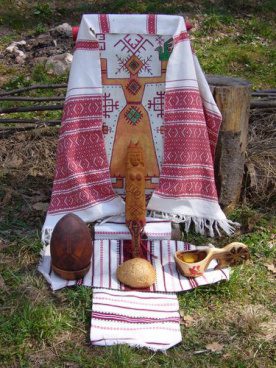
Varpulis is a fascinating figure in Slavic mythology, often associated with the themes of nature, transformation, and the balance between life and death. This deity embodies the essence of change, reflecting the cyclical nature of the seasons and the deep connection that ancient Slavic cultures had with their environment. Varpulis represents not just a single aspect of nature but the entire tapestry of life, intertwining various elements of existence into a cohesive whole. Understanding Varpulis requires delving into the rich lore and traditions that surround this mythological figure, exploring its significance within the broader context of Slavic beliefs and practices.
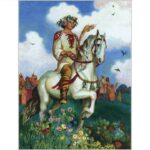
Origins of Varpulis
The origins of Varpulis can be traced back to the early Slavic tribes who inhabited the vast landscapes of Eastern Europe. These tribes revered nature and its forces, and Varpulis emerged as a personification of those elements that were crucial for survival and prosperity. The name “Varpulis” itself is thought to derive from ancient Slavic words related to “transformation” and “growth,” indicating a deep-rooted connection to the cycles of life. This etymology highlights how the Slavic people viewed their environment as a living entity, deserving of respect and reverence.
In many tales, Varpulis is depicted as a dual-natured deity, embodying both creation and destruction. This duality reflects the natural world, where growth is often accompanied by decay. For instance, a forest may thrive in spring, but as autumn approaches, leaves fall, and life cycles come to an end. This understanding of life as a series of interconnected phases is central to the mythology surrounding Varpulis, emphasizing the importance of balance and harmony in the natural world.
Symbolism and Representation
Varpulis is often symbolized by various elements of nature, including trees, rivers, and animals. These symbols serve to represent the different aspects of life that Varpulis governs. For instance, trees may symbolize growth and longevity, while rivers represent the flow of time and change. In Slavic art and folklore, Varpulis is frequently depicted as a tall, majestic figure adorned with leaves and flowers, embodying the vitality of nature. This imagery reinforces the idea that Varpulis is not merely a deity but a representation of the interconnectedness of all living things.
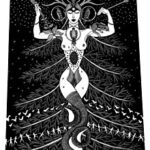 Dziewanna
- Trees: Symbolize growth and renewal.
- Rivers: Represent the passage of time and transformation.
- Animals: Reflect the diversity of life and its cyclical nature.
In rituals and ceremonies, Varpulis is often invoked to ensure a bountiful harvest or to seek protection for the community. The Slavic people believed that by honoring Varpulis, they could maintain a harmonious relationship with the natural world, ensuring that the cycles of life continued uninterrupted. This relationship between humanity and nature is a recurring theme in Slavic mythology, and Varpulis serves as a key figure in that narrative.
Varpulis in Folklore
Folklore plays a significant role in the portrayal of Varpulis, with countless stories passed down through generations. These tales often emphasize the importance of respecting nature and the consequences of failing to do so. One popular story tells of a village that neglected the rituals dedicated to Varpulis, leading to a devastating drought. The villagers, realizing their mistake, came together to perform a grand ceremony to honor the deity, ultimately restoring balance to their environment.
Another common theme in Varpulis folklore is the idea of transformation. Many stories depict characters who undergo significant changes, often facilitated by the influence of Varpulis. For example, a young girl might be transformed into a beautiful flower, symbolizing her connection to the earth and the cycles of nature. These stories serve not only as entertainment but also as moral lessons, reminding the audience of the importance of living in harmony with the natural world.
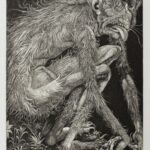 Dvorovoi
Rituals and Celebrations
Rituals dedicated to Varpulis often coincide with the changing seasons, particularly during spring and autumn. Spring rituals focus on themes of renewal and growth, celebrating the return of life after the long winter months. During these ceremonies, communities gather to plant seeds, sing songs, and offer gifts to Varpulis in hopes of a fruitful harvest. The act of planting is seen as a sacred duty, reinforcing the connection between humanity and the earth.
Autumn rituals, on the other hand, emphasize gratitude and reflection. As the harvest season comes to an end, communities gather to give thanks to Varpulis for the bounty received. This celebration often includes feasting, storytelling, and sharing the fruits of their labor. It is a time for acknowledging the cycles of life and the importance of community, as everyone comes together to honor the deity who governs their existence.
Modern Interpretations of Varpulis
In contemporary times, the figure of Varpulis continues to inspire various artistic expressions, from literature to visual arts. Modern interpretations often highlight the ecological themes associated with Varpulis, reflecting a growing awareness of environmental issues. Artists and writers draw upon the rich mythology surrounding Varpulis to create works that advocate for sustainability and the preservation of nature.
Furthermore, some communities are revitalizing traditional rituals associated with Varpulis, seeking to reconnect with their cultural heritage. These modern celebrations often incorporate elements of contemporary environmentalism, emphasizing the need to protect the earth for future generations. By blending ancient traditions with modern values, these communities are breathing new life into the mythology of Varpulis, ensuring that its lessons remain relevant in today’s world.
Comparative Mythology
When examining Varpulis, it is interesting to compare this Slavic deity with similar figures in other mythologies. Many cultures have deities that embody the themes of nature, transformation, and the cycles of life. For example, in Greek mythology, Demeter is the goddess of the harvest and agriculture, representing the changing seasons and the relationship between humanity and the earth. Like Varpulis, Demeter’s story revolves around the balance of life and death, emphasizing the importance of honoring the natural cycles.
In Norse mythology, the figure of Freyja shares similarities with Varpulis. Freyja is associated with fertility, love, and the beauty of nature. Her connection to the earth and its cycles mirrors the attributes of Varpulis, highlighting a common thread across various mythologies. These comparisons illustrate how different cultures have sought to understand and personify the natural world, creating rich narratives that resonate with human experiences.
Impact on Culture and Society
The impact of Varpulis on Slavic culture is profound, influencing not only mythology but also art, literature, and social practices. The stories and rituals surrounding Varpulis have shaped the way communities interact with their environment, instilling a sense of respect and responsibility towards nature. This cultural heritage is evident in traditional crafts, music, and dance, which often incorporate themes related to Varpulis and the natural world.
Moreover, Varpulis serves as a reminder of the interconnectedness of all living beings. In a modern context, where environmental issues are increasingly pressing, the teachings of Varpulis can inspire individuals and communities to take action. By recognizing the importance of maintaining a harmonious relationship with nature, people can work towards sustainable practices that honor the legacy of this ancient deity.
Varpulis stands as a powerful symbol within Slavic mythology, representing the intricate relationship between humanity and the natural world. Through its rich lore, rituals, and cultural significance, Varpulis continues to resonate with contemporary audiences, reminding us of the importance of balance, transformation, and respect for the environment. As we navigate the challenges of the modern world, the teachings of Varpulis remain a source of inspiration, encouraging us to embrace our connection to nature and to honor the cycles of life that sustain us all.