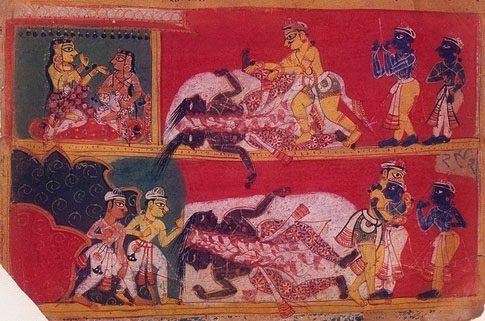
The term Jara holds significant importance in Hindu mythology, representing various themes and narratives that enrich the cultural tapestry of India. Jara is primarily known as the personification of old age and is often depicted as a female figure who embodies the inevitability of aging and decay. This concept plays a crucial role in understanding the transient nature of life, a theme that is prevalent in many Hindu texts and stories. The stories surrounding Jara often serve as metaphors for deeper philosophical ideas, encouraging individuals to reflect on their lives and the passage of time.
Jara in Hindu Texts
In various Hindu texts, Jara is mentioned in relation to Lord Krishna and other deities. One of the most notable stories involving Jara is found in the epic Mahabharata. In this narrative, Jara is depicted as an old woman who plays a crucial role in the demise of the legendary warrior Parashurama. This interaction highlights the connection between old age and mortality, emphasizing that even the mightiest of warriors cannot escape the clutches of time. Jara’s character serves as a reminder of the cycle of life, where youth and strength eventually give way to aging and weakness.
 Jâmbavatî
Another important reference to Jara can be found in the Puranas, where she is often associated with the concept of karma. The stories suggest that the actions taken in one’s youth can significantly impact the experience of old age. This notion reinforces the idea that life is a continuum, where every action has consequences that reverberate through time. Jara, as a representation of old age, embodies the lessons learned from a life well-lived or poorly managed, offering insights into the importance of making wise choices.
The Symbolism of Jara
Jara symbolizes more than just old age; she represents the inevitable decline that comes with life. In Hindu philosophy, this decline is often viewed through the lens of samsara, the cycle of birth, death, and rebirth. Jara’s presence in mythology serves as a poignant reminder that aging is a natural part of existence, and it encourages individuals to embrace the changes that come with time. Her character invites reflection on the transitory nature of life and the importance of cherishing each moment.
Moreover, Jara’s portrayal as an old woman challenges conventional ideas of beauty and youth. In many cultures, youth is often celebrated, while aging is seen as something to be feared or avoided. However, Jara’s character highlights the wisdom and experience that come with age. Her existence in mythology prompts a reevaluation of societal norms surrounding aging, encouraging a more profound appreciation for the insights that older generations can offer.
 Jâmbavân
Jara and the Cycle of Life
The narratives surrounding Jara often explore the theme of the cycle of life. In Hinduism, life is viewed as a series of stages, each with its own significance. Jara represents the latter stages, reminding individuals that aging is not merely an end but a continuation of the life journey. This perspective is crucial for understanding the Hindu belief in reincarnation, where the soul transitions through various forms and experiences based on its past actions.
Jara’s association with the cycle of life encourages individuals to reflect on their current life circumstances. It suggests that the choices made in youth will ultimately shape the experience of old age. This interconnectedness between actions and their consequences serves as a moral framework within Hindu philosophy, guiding individuals to live mindfully and with intention. By recognizing Jara’s influence, people can better appreciate the significance of their decisions and the impact they have on their future.
Lessons from Jara
Jara imparts several vital lessons that resonate with individuals of all ages. One of the primary teachings is the acceptance of aging and the changes that come with it. Embracing the natural progression of life allows individuals to cultivate a sense of peace and contentment. Instead of fearing old age, individuals are encouraged to see it as an opportunity for growth and self-discovery. Jara’s character embodies this philosophy, showing that aging can be a time of reflection and wisdom.
 Jalandhara
Additionally, Jara teaches the importance of living in the present. In a world that often focuses on future aspirations, Jara’s narrative serves as a reminder to appreciate the here and now. The fleeting nature of life emphasizes the significance of cherishing each moment and the relationships built along the way. By focusing on the present, individuals can cultivate deeper connections and a more fulfilling life experience.
Jara in Contemporary Culture
The influence of Jara extends beyond ancient texts and continues to be relevant in contemporary culture. In modern discussions about aging, Jara’s character can be seen as a symbol of the ongoing struggle against ageism and the societal pressures associated with getting older. The stories surrounding her provide a framework for addressing these issues, advocating for a more inclusive understanding of aging that celebrates the contributions of older individuals.
Moreover, Jara’s lessons resonate in various fields, including psychology, where the concept of aging is increasingly being studied. Understanding the psychological implications of aging, including the potential for growth and adaptation, mirrors the teachings of Jara. This connection underscores the importance of integrating traditional wisdom with modern understanding, fostering a holistic approach to aging.
Jara and the Concept of Time
Time is a central theme in the stories of Jara, reflecting the philosophical inquiries surrounding its nature in Hindu thought. The representation of Jara as an embodiment of old age prompts questions about the linearity of time and the cyclical understanding prevalent in Hindu philosophy. Unlike the Western perception of time as a straight line, Hindu beliefs often depict time as cyclical, where events and experiences repeat in various forms.
This cyclical view of time aligns with Jara’s character, as she signifies the ongoing process of birth, aging, death, and rebirth. Her existence challenges individuals to consider their place within this cycle and the legacy they wish to leave behind. By recognizing the interconnectedness of all life, individuals can cultivate a deeper appreciation for their experiences and the impact they have on the world around them.
Jara in Art and Literature
Jara’s character has also inspired various forms of art and literature throughout history. Artists and writers have drawn upon her symbolism to explore themes of aging, mortality, and the human experience. In paintings, Jara may be depicted as an elderly woman, often portrayed with elements that signify wisdom, such as books or nature. These representations serve to honor the complexity of aging and the beauty that can be found in the passage of time.
Literary works that incorporate Jara often delve into the emotional and psychological aspects of aging. Through storytelling, authors can explore the fears and triumphs associated with growing older, using Jara as a lens to examine the human condition. This artistic engagement with her character contributes to a broader conversation about aging, encouraging readers to reflect on their own experiences and perceptions.
Jara’s Influence on Spiritual Practices
In the realm of spirituality, Jara’s lessons have influenced various practices and beliefs within Hinduism. Many spiritual teachings emphasize the importance of detachment from the physical body and the acceptance of aging as a natural process. Jara’s representation as the personification of old age aligns with these teachings, encouraging individuals to focus on their spiritual growth rather than the superficial aspects of life.
Additionally, Jara’s character serves as a reminder of the impermanence of life, prompting individuals to engage in spiritual practices that foster mindfulness and self-awareness. Meditation and reflection on the nature of existence can help individuals cultivate a deeper understanding of their own lives and the cycles of change they experience. By incorporating Jara’s lessons into their spiritual journey, individuals can develop a greater sense of peace and acceptance.
Jara and Family Dynamics
The concept of Jara also extends to family dynamics, particularly in the context of caring for elderly relatives. In many Hindu families, respect for the elderly is deeply ingrained in cultural values. Jara’s embodiment of old age highlights the importance of honoring and supporting older family members, recognizing the wealth of knowledge and experience they possess. This cultural perspective fosters intergenerational relationships, encouraging younger family members to learn from the wisdom of their elders.
Furthermore, the stories surrounding Jara can serve as a source of inspiration for families navigating the challenges of aging. By embracing the lessons of acceptance and gratitude, families can create an environment that celebrates the contributions of older generations. This approach not only strengthens familial bonds but also enriches the overall family experience, allowing for a more profound understanding of the cycle of life.
Jara in the Context of Health and Well-Being
In contemporary discussions about health and well-being, Jara’s character can provide valuable insights into the aging process. The recognition of aging as a natural part of life encourages individuals to prioritize their health and well-being at every stage of life. By understanding the inevitability of aging, people can adopt proactive measures to maintain their physical and mental health, promoting a more fulfilling and vibrant life.
Moreover, Jara’s teachings emphasize the importance of mental resilience in the face of aging. Individuals are encouraged to cultivate a positive mindset and embrace the changes that come with age. This perspective aligns with modern psychological approaches that focus on fostering well-being and adaptability, ultimately leading to a more enriching life experience.
Jara as a Cultural Icon
As a cultural icon, Jara has transcended the boundaries of mythology, becoming a symbol of the universal experience of aging. Her character resonates with people across cultures, prompting discussions about the significance of aging and the lessons it imparts. In a world that often prioritizes youth, Jara serves as a reminder of the value of experience and wisdom that comes with age.
In various cultural contexts, Jara’s representation can inspire movements that advocate for the rights and dignity of older individuals. By highlighting the contributions of the elderly, societies can work towards creating environments that celebrate aging rather than stigmatize it. This shift in perspective can lead to more inclusive communities that recognize the richness of diversity in age and experience.
The Legacy of Jara
The legacy of Jara continues to be relevant in contemporary discussions about aging, health, and well-being. Her character serves as a bridge between ancient wisdom and modern understanding, offering valuable insights into the human experience. By engaging with Jara’s narratives, individuals can cultivate a deeper appreciation for the complexities of aging and the lessons it brings.
Furthermore, the stories surrounding Jara encourage individuals to embrace their own aging journey with grace and acceptance. By recognizing the inevitability of change, people can find peace in the natural progression of life, fostering a more profound connection with themselves and others. Jara’s influence remains a powerful reminder of the beauty and wisdom that can be found in every stage of life.