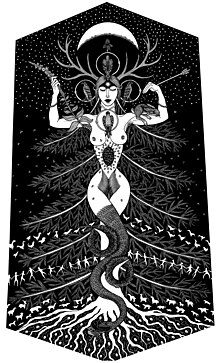
In Slavic mythology, Dziewanna is a significant figure associated with nature, fertility, and the forest. She is often depicted as a goddess or spirit who embodies the wild and untamed aspects of the natural world. Dziewanna is revered by many as a protector of plants and animals, symbolizing the harmony between humanity and nature. Her character is rich in symbolism and is deeply rooted in the traditions and beliefs of the Slavic people. As we explore Dziewanna’s role in Slavic mythology, we will uncover her characteristics, her significance in various rituals, and the ways in which she is celebrated in folklore.
Origins and Characteristics
The origins of Dziewanna can be traced back to ancient Slavic beliefs that personified natural elements as deities. She is often associated with the forest, where she is believed to roam freely among the trees and wildlife. Dziewanna is described as a beautiful young woman, embodying the vitality of nature. Her hair is said to be long and flowing, resembling the vines of the forest, while her attire is often made of leaves and flowers, reflecting her connection to the earth.
 Dvorovoi
In Slavic traditions, Dziewanna is sometimes seen as a dual figure, representing both the nurturing and destructive forces of nature. On one hand, she is a guardian of fertility and growth, promoting the health of crops and the well-being of animals. On the other hand, she can also embody the wildness of the forest, representing the unpredictable and fierce aspects of nature. This duality makes her a complex and fascinating figure within Slavic mythology.
Symbolism of Dziewanna
Dziewanna’s symbolism is deeply intertwined with the natural world. She represents the cycle of life, death, and rebirth, reflecting the changing seasons and the resilience of nature. Her connection to fertility is significant, as she is often invoked during planting and harvest rituals. People believe that by honoring Dziewanna, they can ensure a bountiful harvest and healthy livestock.
- Fertility: Dziewanna is associated with the fertility of the land, making her an essential figure for farmers and those who rely on agriculture.
- Wild Nature: As a goddess of the forest, she embodies the wild and untamed aspects of nature, representing both beauty and danger.
- Seasons: Her character reflects the changing seasons, symbolizing the cycles of life and the interconnectedness of all living things.
Furthermore, Dziewanna is seen as a protector of the wilderness. She is often invoked to safeguard the forests and the creatures that inhabit them. This protective aspect is crucial, especially in a time when deforestation and environmental degradation pose significant threats to natural habitats. By honoring Dziewanna, people seek to restore balance and harmony between humanity and nature.
 Dugnai
Rituals and Celebrations
Throughout history, various rituals and celebrations have been dedicated to Dziewanna, particularly in rural Slavic communities. These rituals often take place during significant agricultural seasons, such as spring planting or autumn harvesting. One common practice involves the creation of floral wreaths, which are believed to please Dziewanna and invite her blessings. People gather flowers from the fields and forests to craft these wreaths, often singing traditional songs and sharing stories about the goddess.
In some regions, a festival known as the “Festival of Dziewanna” is celebrated. During this festival, communities come together to honor the goddess with music, dance, and offerings. It is a time of joy and gratitude, where people express their appreciation for the bounties of nature. The festival often includes various activities such as games, storytelling, and communal feasts, fostering a sense of community and connection to the land.
Offerings to Dziewanna
Offerings play a significant role in the rituals dedicated to Dziewanna. People often leave gifts at the base of trees or near water sources, believing that these offerings will attract her attention and favor. Common offerings include:
 Dolya
Dolya- Flowers: Fresh flowers are a popular choice, symbolizing beauty and vitality.
- Fruits: Seasonal fruits are offered as a token of gratitude for the harvest.
- Handcrafted Items: Items made from natural materials, such as woven baskets or wooden carvings, are also common offerings.
These offerings are not merely acts of devotion but are also seen as a way to connect with the spirit of Dziewanna. People believe that by presenting gifts, they establish a relationship with the goddess, inviting her blessings into their lives. This relationship is essential for maintaining a harmonious existence with nature and ensuring the well-being of the community.
Dziewanna in Folklore and Stories
Dziewanna’s presence is prevalent in various Slavic folk tales and stories, where she is often portrayed as a benevolent figure who assists those in need. Many tales depict her as a protector of lost travelers, guiding them through the forest and ensuring their safe passage. In these stories, she is often accompanied by animals, symbolizing her deep connection to the wildlife of the forest.
One popular tale tells of a young girl who becomes lost in the woods. As night falls, she becomes frightened and begins to cry. Hearing her cries, Dziewanna appears, surrounded by glowing fireflies. The goddess comforts the girl and offers her guidance back to her village. This story emphasizes Dziewanna’s role as a guardian and protector, highlighting her nurturing nature.
Lessons from Dziewanna’s Stories
The stories of Dziewanna often carry valuable lessons about respect for nature and the importance of living in harmony with the environment. They teach the significance of understanding the delicate balance between humanity and the natural world. Some of the key lessons include:
- Respect for Nature: The tales often emphasize the need to treat nature with respect, recognizing its power and beauty.
- Community and Cooperation: Many stories highlight the importance of working together as a community to honor and protect the environment.
- Embracing Change: The cyclical nature of life, as represented by Dziewanna, teaches acceptance of change and the importance of resilience.
These lessons remain relevant today, especially as modern society faces numerous environmental challenges. By revisiting the stories of Dziewanna, individuals can gain insights into sustainable practices and the importance of preserving the natural world for future generations.
Contemporary Relevance of Dziewanna
In contemporary society, the figure of Dziewanna continues to resonate with those who seek to reconnect with nature and embrace a more sustainable lifestyle. Many modern pagans and nature enthusiasts draw inspiration from her character, celebrating her through rituals and gatherings. The rise of environmental movements has also brought renewed attention to her symbolism as a guardian of the earth.
Various organizations and groups focus on preserving natural habitats and promoting ecological awareness, often invoking Dziewanna as a symbol of their mission. By honoring her, they aim to foster a deeper understanding of the interconnectedness of all living things and the importance of protecting the environment. This contemporary relevance highlights the enduring nature of Slavic mythology and its ability to inspire positive change.
Art and Literature Inspired by Dziewanna
The influence of Dziewanna can be seen in various forms of art and literature. Many artists depict her in paintings, sculptures, and other creative works, capturing her essence as a goddess of nature. These artworks often celebrate the beauty of the forest and the wildlife that inhabit it, serving as a reminder of the importance of preserving these natural spaces.
- Paintings: Artists often portray Dziewanna surrounded by lush greenery and animals, symbolizing her role as a protector of the forest.
- Poetry: Poets have written verses inspired by Dziewanna, celebrating her connection to nature and the changing seasons.
- Folklore Collections: Many collections of Slavic folklore include stories about Dziewanna, preserving her legacy for future generations.
Through these artistic expressions, the spirit of Dziewanna continues to thrive, inspiring individuals to appreciate and protect the natural world. The ongoing exploration of her character serves as a reminder of the rich cultural heritage of the Slavic people and the timeless lessons embedded in their mythology.
Conclusion: The Legacy of Dziewanna
As we delve into the world of Slavic mythology, the figure of Dziewanna stands out as a symbol of nature’s beauty, power, and resilience. Her story, rich in symbolism and meaning, continues to inspire and educate people about the importance of living in harmony with the environment. Through rituals, folklore, and contemporary practices, Dziewanna’s legacy endures, reminding us of our connection to the earth and the need to protect it for generations to come.