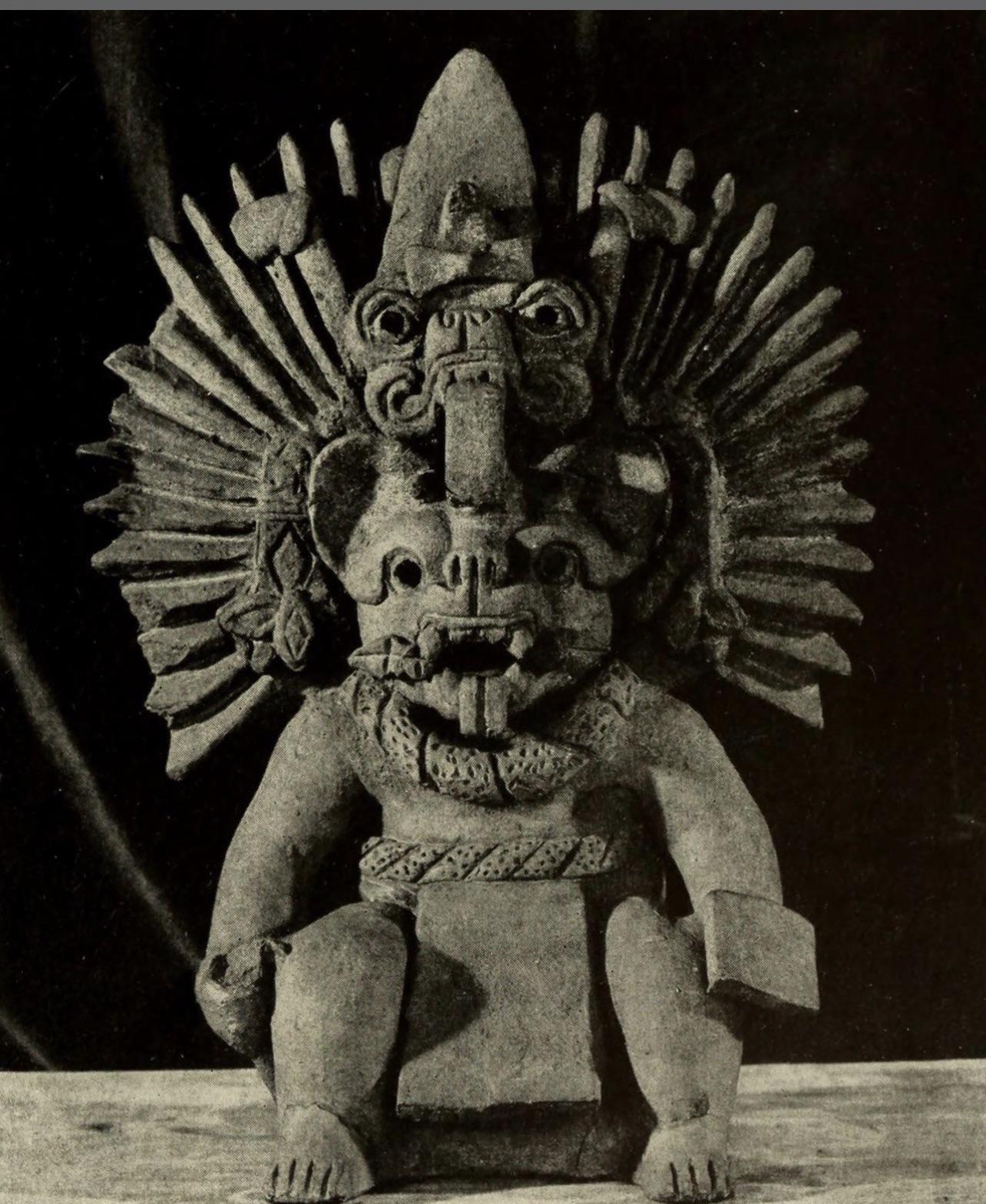
The Zapotec mythology is rich and diverse, reflecting the cultural heritage of the Zapotec people, who primarily inhabit the Oaxaca region of Mexico. One of the most fascinating aspects of this mythology is the concept of Ndozin. Ndozin represents a significant figure or entity in the spiritual landscape of the Zapotecs. Understanding Ndozin requires delving into the intricate beliefs and traditions that have been passed down through generations. This article will explore the various dimensions of Ndozin, including its origins, symbolism, and the role it plays in the lives of the Zapotec people.
Origins of Ndozin
 Mdi
MdiThe origins of Ndozin can be traced back to the ancient beliefs of the Zapotec civilization. The Zapotecs, known for their impressive architectural and agricultural achievements, also held a complex view of the universe. Ndozin is often associated with creation myths that explain the origins of the world and humanity. According to these myths, Ndozin was present at the beginning of time, playing a vital role in shaping the cosmos. This connection to creation highlights the importance of Ndozin in Zapotec spirituality.
In Zapotec mythology, Ndozin is often depicted as a powerful deity or spirit, embodying the forces of nature. This being is seen as a guardian of the natural world, responsible for maintaining balance and harmony. The Zapotecs believe that Ndozin interacts with the elements, influencing the weather, agriculture, and the cycles of life. This deep-rooted connection to nature emphasizes the reverence that the Zapotec people have for their environment and the spiritual forces that govern it.
Symbolism of Ndozin
Ndozin is rich in symbolism, representing various aspects of life and the universe. One of the primary symbols associated with Ndozin is the serpent. In many cultures, serpents are seen as symbols of transformation and renewal. For the Zapotecs, the serpent embodies the duality of life and death, creation and destruction. Ndozin, as a serpentine figure, signifies the continuous cycle of life and the interconnectedness of all beings.
 Mbaz
MbazAnother important symbol linked to Ndozin is the mountain. Mountains are revered in Zapotec culture as sacred spaces that connect the earthly realm with the divine. Ndozin’s association with mountains underscores its role as a protector and provider. The mountains are seen as the dwelling places of spirits, and Ndozin is believed to reside within them, watching over the people and their land.
Ndozin in Rituals and Ceremonies
Ndozin plays a crucial role in various rituals and ceremonies conducted by the Zapotec people. These rituals are often performed to honor Ndozin and seek its blessings for fertility, health, and prosperity. One of the most significant ceremonies is the annual harvest festival, where the community comes together to celebrate the bounty of the earth. During this festival, offerings are made to Ndozin, expressing gratitude for the sustenance provided by the land.
The rituals associated with Ndozin often involve elaborate dances, music, and the use of traditional attire. Participants dress in vibrant costumes that represent the natural world, including elements like flowers, animals, and, of course, serpents. These performances serve not only as a form of worship but also as a way to educate younger generations about their cultural heritage and the importance of Ndozin in their lives.
 Kedo
KedoTypes of Offerings
- Food: Corn, beans, and other staple foods are often offered to Ndozin as a sign of respect and gratitude.
- Flowers: Brightly colored flowers are used in rituals to symbolize beauty and life.
- Crafts: Handmade items, such as woven textiles or pottery, are presented as offerings, showcasing the community’s artistic skills.
Ndozin and the Natural World
The connection between Ndozin and the natural world is profound. The Zapotecs believe that Ndozin is responsible for the fertility of the land, the health of the animals, and the balance of ecosystems. This belief fosters a sense of stewardship among the Zapotec people, encouraging them to care for their environment and respect the resources it provides. The rituals and offerings to Ndozin are not only acts of devotion but also expressions of the community’s commitment to environmental sustainability.
Ndozin is often invoked during agricultural cycles, particularly during planting and harvest times. Farmers seek Ndozin’s guidance and protection, believing that a strong connection to this deity will result in a fruitful harvest. This practice highlights the interdependence of spirituality and daily life in Zapotec culture, where the sacred and the mundane are intricately woven together.
Ndozin in Contemporary Zapotec Culture
Even in contemporary times, the influence of Ndozin remains significant in the lives of many Zapotec people. While modernization has brought changes to their way of life, the spiritual beliefs surrounding Ndozin continue to thrive. Many Zapotecs still engage in traditional practices, blending them with modern influences to create a unique cultural identity. This adaptability showcases the resilience of Zapotec mythology and its relevance in today’s world.
In urban areas, where traditional practices may be less visible, the essence of Ndozin is often celebrated through community gatherings, festivals, and art. Artists and musicians draw inspiration from Ndozin, creating works that reflect their cultural heritage and the ongoing importance of this figure in their lives. This cultural expression serves to keep the spirit of Ndozin alive, ensuring that future generations understand and appreciate their rich mythology.
Lessons from Ndozin
The story of Ndozin carries valuable lessons for both the Zapotec people and the broader world. One of the primary teachings is the importance of balance and harmony in life. The interconnectedness of all beings, as represented by Ndozin, reminds us that our actions have consequences on the environment and society. This understanding encourages a sense of responsibility towards nature and fosters a commitment to sustainable practices.
Moreover, Ndozin symbolizes resilience and adaptability. The ability of the Zapotec people to maintain their spiritual beliefs in the face of change demonstrates the strength of their cultural identity. This resilience is a powerful lesson for communities worldwide, emphasizing the importance of preserving traditions while embracing progress.
Ndozin in Literature and Art
Ndozin has also found a place in literature and art, where it serves as a source of inspiration for many creators. Writers often explore themes related to Ndozin, weaving tales that reflect the beliefs and values of the Zapotec people. These stories not only entertain but also educate readers about the significance of Ndozin and the broader Zapotec mythology.
In visual arts, Ndozin is depicted in various forms, from paintings to sculptures. Artists use vibrant colors and intricate designs to capture the essence of this figure, celebrating its connection to nature and spirituality. These artistic expressions contribute to the ongoing dialogue about Zapotec culture and its relevance in contemporary society, allowing for a deeper understanding of Ndozin’s significance.
Famous Works Featuring Ndozin
- Poetry: Many Zapotec poets incorporate themes of Ndozin in their works, using metaphor and symbolism to convey deeper meanings.
- Paintings: Artists depict Ndozin through vibrant colors, often illustrating scenes from Zapotec mythology.
- Sculptures: Sculptors create representations of Ndozin, capturing its essence and importance in Zapotec culture.
Community and Ndozin
The community plays a vital role in the worship and reverence of Ndozin. The Zapotecs believe that collective participation in rituals strengthens their connection to this figure and to each other. Community gatherings centered around Ndozin foster a sense of unity and shared purpose. These events are not only spiritual in nature but also serve as opportunities for social interaction and cultural exchange.
During communal celebrations, stories of Ndozin are shared, reinforcing the values and teachings associated with this figure. Elders often take on the role of storytellers, passing down knowledge and wisdom to younger generations. This oral tradition is crucial for preserving the history and mythology of the Zapotec people, ensuring that the legacy of Ndozin continues to thrive.
The Future of Ndozin
As the world continues to change, the future of Ndozin remains a topic of interest and importance for the Zapotec people. While modernization poses challenges to traditional beliefs, there is also a growing movement to revitalize and celebrate Zapotec culture. Many young people are taking an active role in preserving their heritage, recognizing the significance of Ndozin in their identity.
Efforts to document and promote Zapotec mythology, including the stories and rituals surrounding Ndozin, are essential for keeping this cultural legacy alive. Education plays a crucial role in this process, as younger generations learn about their roots and the teachings of Ndozin. By fostering a sense of pride in their heritage, the Zapotec people can ensure that Ndozin remains a vital part of their cultural landscape.