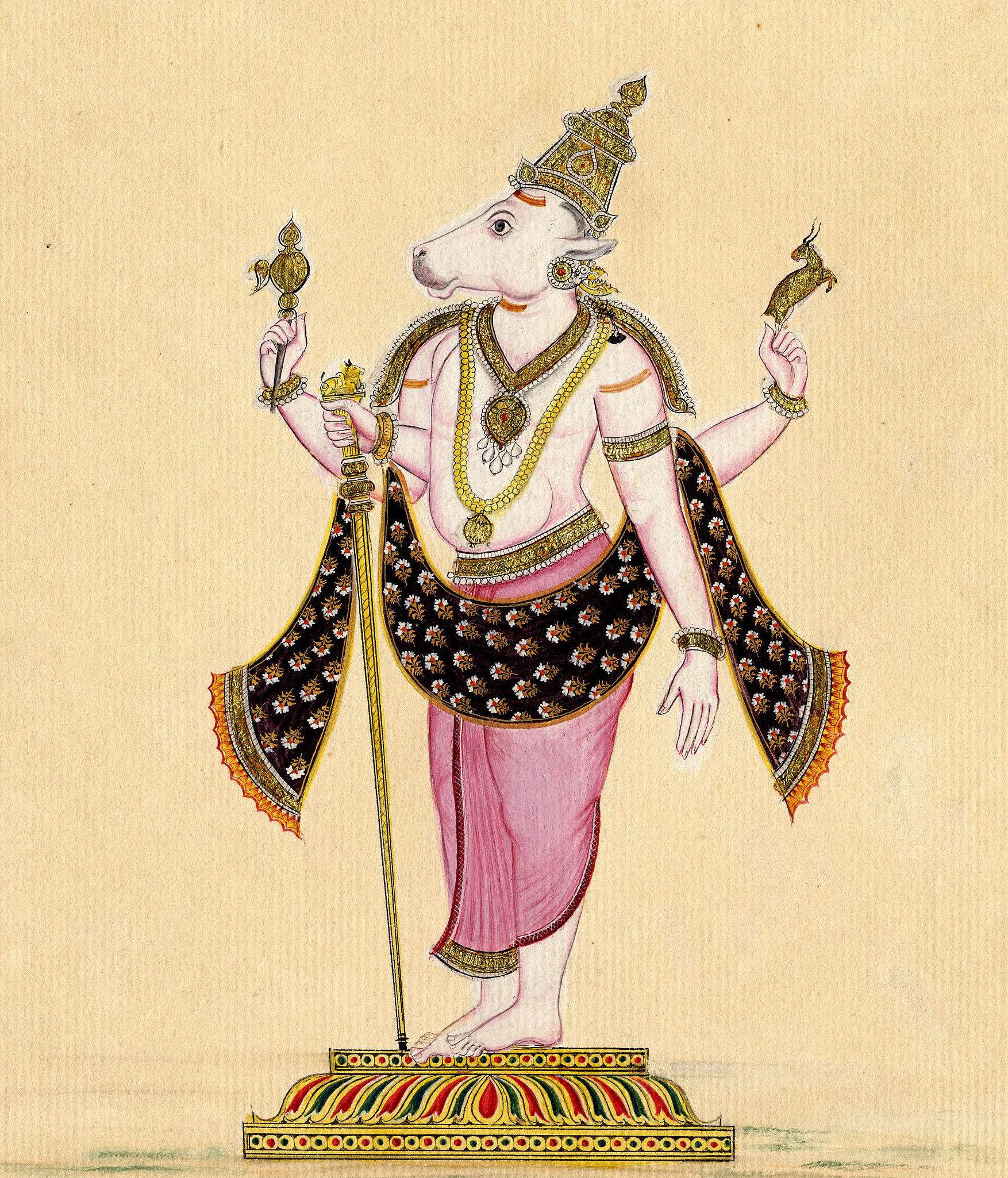
Nandi is a prominent figure in Hindu mythology, known primarily as the sacred bull and the vehicle of Lord Shiva. He is often depicted as a strong and majestic bull, symbolizing strength, loyalty, and devotion. Nandi is not just a mere vehicle; he holds a significant place in the hearts of devotees and is considered a gatekeeper of Lord Shiva’s abode. His image can be found in many temples dedicated to Shiva, where he is usually portrayed sitting in a serene posture, facing the deity. This placement signifies his role as a protector and an ever-watchful guardian of the divine.
Origins of Nandi
The origins of Nandi can be traced back to ancient Hindu texts, where he is mentioned in various scriptures. According to the Puranas, Nandi was born to the sage Sage Shilada, who prayed for a son. Pleased with his devotion, Lord Shiva granted him a son who would be a great devotee of Shiva himself. This son was Nandi, and he grew up to be a fierce protector of Shiva. His devotion was so profound that he became the chief of the ganas, the attendants of Lord Shiva.
 Nandini
Nandi’s relationship with Lord Shiva is deeply rooted in love and devotion. He is often portrayed as the embodiment of loyalty and faithfulness, representing the ideal disciple. The bond between Nandi and Shiva is symbolic of the relationship between a teacher and a devoted student, where Nandi always stands ready to serve and protect his lord. This unwavering loyalty has made him a significant figure in Hindu mythology, and his stories continue to inspire millions of devotees.
Nandi in Temples
Nandi is commonly found in temples dedicated to Lord Shiva, where he is often positioned facing the main deity. This positioning signifies his role as a guardian and protector of Shiva. The iconography of Nandi varies across different regions in India, but the essence remains the same. In many temples, Nandi is depicted as a large, beautifully carved bull, often made of stone or metal, showcasing intricate designs and craftsmanship.
In temples like the Brihadeeswarar Temple in Thanjavur, Tamil Nadu, Nandi is portrayed in a grand manner, showcasing his importance in the temple’s architecture. The statue is often adorned with flowers and offerings, reflecting the love and respect devotees have for him. Temples dedicated to Shiva often have a significant Nandi statue at the entrance, serving as a reminder of his role as a guardian and the importance of devotion in the worship of Lord Shiva.
 Nakula
Symbolism of Nandi
Nandi embodies various symbolic meanings in Hindu mythology. As a bull, he represents strength and stability. Bulls are often associated with agriculture and fertility, symbolizing prosperity and abundance. In the context of Nandi, this symbolism extends to the spiritual realm, where he signifies the strength of devotion and the stability of faith. His presence in temples serves as a reminder for devotees to cultivate these qualities in their lives.
Moreover, Nandi is often seen as a symbol of devotion and faithfulness. His unwavering loyalty to Lord Shiva reflects the ideal qualities that devotees should aspire to embody. The relationship between Nandi and Shiva is a profound reminder of the importance of serving and being devoted to the divine. In many ways, Nandi’s character teaches us about the significance of surrender and devotion in our spiritual journeys.
Nandi in Stories and Legends
Nandi is featured in various stories and legends that highlight his role as a devoted follower of Lord Shiva. One of the most famous legends involves the destruction of the demon Tarakasura. According to the story, Tarakasura was a powerful demon who could only be defeated by the son of Shiva. Nandi played a crucial role in assisting Shiva and Parvati in their union, leading to the birth of Lord Kartikeya, who ultimately defeated the demon. This story emphasizes Nandi’s integral role in the divine plan and his unwavering support for Shiva.
 Nakshatras
Another well-known story involves Nandi’s transformation into a bull. In this legend, it is said that Nandi was once a handsome young man who was deeply devoted to Lord Shiva. His devotion was so intense that Shiva decided to grant him a wish. Nandi requested to be the vehicle of Shiva, and in return, he was transformed into a bull. This story illustrates the concept of transformation through devotion and the rewards of unwavering faith.
Nandi in Cultural Practices
Nandi holds a significant place in various cultural practices and rituals in Hinduism. Many devotees offer prayers and perform rituals in front of Nandi statues in temples. It is believed that by seeking Nandi’s blessings, one can attain the grace of Lord Shiva. Devotees often chant mantras and perform pujas in front of Nandi, expressing their devotion and seeking protection and guidance.
In some regions, festivals dedicated to Nandi are celebrated with great enthusiasm. These festivals often include processions, dance, and music, showcasing the cultural significance of Nandi in the community. The celebrations serve as a reminder of Nandi’s role as a protector and guide, fostering a sense of unity and devotion among the devotees.
Nandi’s Influence on Art and Literature
Nandi’s presence in Hindu mythology has significantly influenced art and literature throughout the centuries. Many artists have depicted Nandi in various forms, showcasing his strength and devotion. Statues, paintings, and carvings of Nandi can be found in temples, museums, and homes, reflecting his importance in Hindu culture.
In literature, Nandi is often mentioned in ancient texts, including the Puranas and Tantras. His stories and legends have been passed down through generations, inspiring countless writers and poets. These literary works often explore themes of devotion, loyalty, and the divine connection between Nandi and Lord Shiva, enriching the cultural tapestry of Hindu mythology.
Nandi and Modern Interpretations
In modern times, Nandi continues to hold a special place in the hearts of devotees. His image is often used in various forms of media, including films, television shows, and literature. Many contemporary interpretations of Nandi highlight his qualities of loyalty, strength, and devotion, resonating with audiences in today’s world.
Social media has also played a role in spreading awareness about Nandi and his significance in Hindu mythology. Devotees share stories, images, and messages about Nandi, fostering a sense of community and connection among followers. This modern engagement with Nandi reflects the timeless nature of his teachings and the relevance of his character in contemporary spiritual practices.
The Role of Nandi in Meditation and Spiritual Practices
Nandi is often invoked in meditation and spiritual practices by devotees seeking to deepen their connection with Lord Shiva. Many practitioners believe that meditating on Nandi can help them cultivate qualities such as loyalty, strength, and devotion. By visualizing Nandi, practitioners aim to align themselves with the divine energy that he embodies.
In some spiritual traditions, Nandi is seen as a guide for those on their spiritual journeys. His unwavering devotion to Lord Shiva serves as an inspiration for individuals seeking to develop their own spiritual practices. By emulating Nandi’s qualities, devotees strive to enhance their devotion and deepen their understanding of the divine.
Nandi’s Legacy in Hinduism
Nandi’s legacy in Hinduism is profound and enduring. He is more than just a mythical figure; he represents the ideals of devotion, loyalty, and strength that resonate deeply with followers of Lord Shiva. His stories and symbolism continue to inspire generations, reminding devotees of the importance of faith and devotion in their spiritual journeys.
As Hinduism evolves and adapts to modern times, Nandi remains a central figure in the narrative of devotion and spirituality. His image can be found in temples, homes, and cultural practices, symbolizing the timeless nature of his teachings. Nandi’s legacy serves as a guiding light for devotees, encouraging them to cultivate devotion and loyalty in their lives.