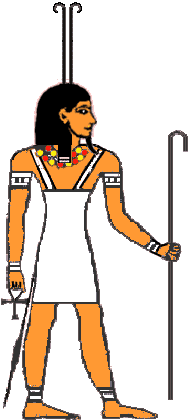
Andjety is a fascinating figure in Egyptian mythology, often associated with the ancient city of Thinis and the early dynastic period of Egypt. He is primarily known as a god of the afterlife and is considered a precursor to Osiris, one of the most important deities in Egyptian belief. Andjety is depicted as a man wearing the white crown of Upper Egypt, and sometimes he is shown with a beard and a crown that symbolizes his power. The significance of Andjety can be understood through various aspects of his mythology, worship, and representation in ancient Egyptian culture.
The Origins of Andjety
The origins of Andjety are somewhat mysterious, as he is a lesser-known deity in comparison to the major gods of the Egyptian pantheon. His worship is believed to date back to the pre-dynastic period, and he was particularly revered in the city of Thinis, which is often regarded as the birthplace of the ancient Egyptian civilization. Thinis played a crucial role in the unification of Upper and Lower Egypt, and Andjety’s significance is closely tied to this historical context.
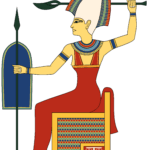 Anat
AnatIn ancient texts, Andjety is sometimes referred to as the Lord of the Abyss and the Guardian of the Dead. This association with the afterlife highlights his role in the Egyptian belief system, where the afterlife was seen as a continuation of life on Earth. Andjety’s character embodies the themes of rebirth and resurrection, which are central to many Egyptian myths. The stories surrounding him often involve the journey of the soul after death, emphasizing the importance of proper burial rites and the need for protection in the afterlife.
Andjety’s Role in Egyptian Mythology
Andjety’s role in Egyptian mythology is primarily as a deity who oversees the afterlife and the underworld. He is often depicted as a protector of the deceased, guiding souls through the challenges they face after death. This protective aspect aligns him with other significant deities like Osiris, who is also associated with the afterlife and resurrection. In many ways, Andjety serves as a precursor to Osiris, with similar attributes but a more localized worship.
One of the most interesting aspects of Andjety is his connection to the cult of the dead. Ancient Egyptians believed that proper rituals and offerings were necessary to ensure a safe passage to the afterlife. Andjety was invoked during these ceremonies, and his presence was thought to provide comfort and security to the souls of the departed. This belief system underscores the importance of honoring the dead, a value deeply ingrained in Egyptian culture.
 Imsety
Depictions of Andjety
In artistic representations, Andjety is typically shown as a man wearing the white crown of Upper Egypt, symbolizing his authority and status. He is sometimes depicted holding a scepter or other symbols of power, which further emphasize his role as a protector and guide in the afterlife. His imagery can be found in various tomb paintings, sculptures, and artifacts from ancient Egypt, showcasing the importance of his character in funerary practices.
Additionally, Andjety is often represented alongside other deities, reflecting the interconnected nature of Egyptian mythology. He may be shown with Osiris, Isis, or Anubis, highlighting the collaborative roles these gods played in the journey of the soul. Such depictions serve to reinforce the idea that the afterlife was a communal experience, with various gods working together to ensure the safety and well-being of the deceased.
Worship and Rituals Associated with Andjety
The worship of Andjety was primarily concentrated in the region of Thinis, where temples dedicated to him were constructed. These temples served as centers for rituals and ceremonies aimed at honoring the god and seeking his protection for the deceased. The priests of Andjety played a vital role in conducting these rituals, which often involved offerings of food, drink, and other items deemed necessary for the afterlife.
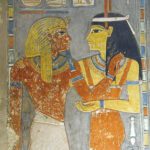 Ament
Ament- Offerings: Food and drink were essential components of the rituals dedicated to Andjety. These offerings were believed to sustain the god and, by extension, the souls of the departed.
- Rituals: Various ceremonies were performed to invoke Andjety’s protection, including recitations of hymns and prayers that emphasized his role as a guardian of the dead.
- Festivals: Specific festivals were held in honor of Andjety, during which communities would gather to celebrate his significance and seek his blessings for the afterlife.
The rituals associated with Andjety were not only about honoring the god but also about reinforcing the cultural values of the ancient Egyptians. The emphasis on proper burial rites and the worship of deities like Andjety reflected the society’s deep-seated beliefs about death, the afterlife, and the importance of maintaining connections with the deceased.
Andjety and the Concept of the Afterlife
The concept of the afterlife was central to ancient Egyptian belief, and Andjety played a significant role in this understanding. Egyptians believed that life continued after death, and the soul’s journey was fraught with challenges that required guidance and protection. Andjety’s association with the afterlife made him a vital figure in this belief system, as he was seen as a protector of the soul.
One of the key aspects of Andjety’s mythology is the idea of rebirth. Just as crops were believed to die and be reborn with the changing seasons, so too were the souls of the deceased thought to undergo a transformation in the afterlife. Andjety’s role in this process highlights the cyclical nature of life and death, a theme that resonates throughout Egyptian mythology. This belief in rebirth was not only a spiritual concept but also had practical implications for the living, influencing how they approached death and the rituals surrounding it.
Andjety’s Legacy in Egyptian Culture
Despite being a lesser-known deity, Andjety’s legacy can still be seen in various aspects of ancient Egyptian culture. His influence is particularly evident in the funerary practices that developed over time, as well as in the mythology surrounding Osiris and other gods associated with the afterlife. The emphasis on protecting the deceased and ensuring a safe passage to the afterlife can be traced back to the worship of Andjety.
The concept of ma’at, or cosmic order, is another area where Andjety’s legacy can be felt. Ancient Egyptians believed that maintaining ma’at was essential for the stability of the universe, and this principle extended to the afterlife as well. The rituals dedicated to Andjety were part of a broader effort to uphold ma’at, ensuring that the souls of the departed received the protection and guidance they needed.
Modern Interpretations of Andjety
In modern times, Andjety has been the subject of scholarly research and interest among those fascinated by Egyptian mythology. His role as a precursor to Osiris has led to discussions about the evolution of Egyptian beliefs regarding the afterlife and the significance of different deities in this context. Researchers have sought to uncover more about Andjety’s origins and the reasons for his localized worship in Thinis.
Additionally, Andjety has gained attention in popular culture, with references to him appearing in various forms of media, including literature and film. These interpretations often draw on the themes of rebirth and the afterlife, showcasing the enduring fascination with ancient Egyptian mythology. As modern audiences continue to explore these ancient beliefs, figures like Andjety serve as a reminder of the rich tapestry of stories and ideas that shaped the lives of the ancient Egyptians.
The Importance of Burial Practices
Burial practices in ancient Egypt were deeply influenced by the beliefs surrounding Andjety and other deities associated with the afterlife. The rituals performed at funerals were designed to honor the deceased and ensure their safe passage to the afterlife. These practices included mummification, which was believed to preserve the body for the soul’s journey. Andjety’s role as a guardian in the afterlife made him an integral part of these rituals.
During the burial process, various offerings were made to the deceased, including food, drink, and items that the individual might need in the afterlife. The presence of Andjety in these rituals emphasized the importance of providing for the deceased, ensuring that they were well-equipped for their journey beyond death. This focus on proper burial practices reflects the ancient Egyptians’ understanding of the afterlife and their desire to maintain connections with their loved ones.
Andjety in Comparative Mythology
When examining Andjety within the broader context of comparative mythology, it becomes clear that many cultures have deities similar to him. The themes of death, rebirth, and protection in the afterlife are common across various mythologies, with different cultures interpreting these concepts through their unique lenses. For example, figures like Hades in Greek mythology and Yama in Hindu mythology serve similar roles as guardians of the dead.
These comparative studies can provide valuable insights into the ways different cultures understand the afterlife and the rituals associated with it. The similarities and differences between Andjety and other deities highlight the universal human concerns surrounding death and the hope for continued existence beyond it. Such explorations can deepen our appreciation for the rich tapestry of beliefs that characterize human history.
Andjety is a complex and intriguing figure in Egyptian mythology, embodying themes of protection, rebirth, and the afterlife. His significance in the ancient Egyptian belief system reflects the culture’s deep-seated values surrounding death and the rituals that accompany it. Through the worship of Andjety, ancient Egyptians sought to ensure safe passage for their loved ones and maintain connections with the deceased.
As we explore the legacy of Andjety, we gain a greater understanding of the cultural and spiritual dimensions of ancient Egypt. His influence can still be felt today, as modern interpretations and scholarly research continue to shed light on the fascinating world of Egyptian mythology. The enduring interest in figures like Andjety serves as a testament to the power of myth and its ability to connect us to our shared human experience.