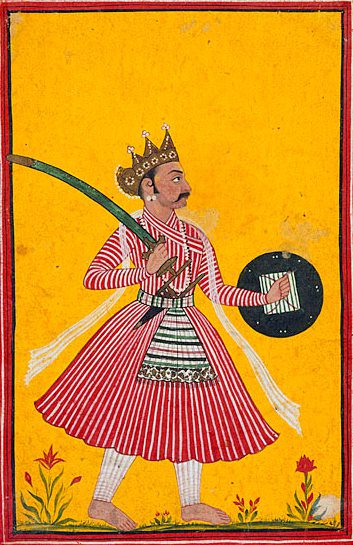
Nakula is a significant character in Hindu mythology, particularly known from the epic Mahabharata. He is one of the five Pandava brothers, born to Madri, the second wife of King Pandu. Nakula, along with his twin brother Sahadeva, is often associated with beauty, skills in horsemanship, and a deep understanding of herbs and medicine. His character embodies the values of loyalty, bravery, and a commitment to dharma, which is a central theme in the Mahabharata. The life and adventures of Nakula are not just stories of valor but also reflect the complexities of human relationships and the moral dilemmas faced by individuals.
Nakula’s Birth and Early Life
The birth of Nakula is quite unique and is steeped in divine intervention. According to the legend, King Pandu was cursed to die if he ever engaged in sexual relations with his wives. In his desire for children, he sought the blessings of the Ashwini Kumaras, the twin gods of medicine and health. With their help, Nakula and his twin brother Sahadeva were born through Madri’s invocation. This divine birth is significant as it highlights the importance of divine will in the lives of the Pandavas. Nakula and Sahadeva were born as the embodiment of beauty and knowledge, traits that would define their roles in the epic.
 Nakshatras
Nakula’s upbringing was filled with rigorous training and education. Under the guidance of his father and the great teacher Drona, Nakula learned various arts, including archery, swordsmanship, and horse riding. He was particularly known for his unparalleled skills in handling horses, making him one of the finest horsemen in the realm. The Pandavas were trained not only in combat but also in the principles of governance, diplomacy, and the importance of righteousness. Nakula’s early life set the foundation for his later adventures and challenges, shaping him into a warrior of great repute.
Nakula’s Role in the Mahabharata
Nakula plays a crucial role in the Mahabharata, particularly during the great war of Kurukshetra. His character often symbolizes the values of honor and loyalty. Throughout the epic, Nakula remains steadfastly loyal to his brothers and is always ready to defend his family’s honor. He is often seen fighting alongside his brothers, showcasing not only his combat skills but also his strategic acumen. His presence on the battlefield is a reminder of the unity and strength of the Pandavas, who stand together against the Kauravas.
One of Nakula’s significant contributions during the war was his involvement in various battles and his interactions with key characters. His skills in horse riding and knowledge of veterinary medicine made him an invaluable asset to the Pandavas. Nakula’s expertise ensured that their steeds were well cared for, which was crucial for their success in battle. Additionally, his understanding of herbs allowed him to aid in the healing of wounded soldiers, showcasing his multifaceted abilities beyond mere combat.
 Naginas
Nakula and His Relationships
Nakula’s relationships with his brothers are one of the most heartwarming aspects of his character. His bond with Sahadeva, his twin brother, is particularly strong. Together, they are often referred to as the Aswins, reflecting their shared birth and skills. Their relationship is characterized by mutual respect and camaraderie, making them inseparable both in battle and in life. This deep bond is a testament to the importance of family ties in Hindu mythology and the emphasis on brotherhood in the face of adversity.
Nakula also shares a close relationship with his elder brothers, Yudhishthira, Bhima, and Arjuna. Each brother has distinct qualities and strengths, and Nakula often acts as a supportive figure, helping to maintain harmony within the group. His gentle demeanor and willingness to listen to others contribute to the overall unity of the Pandavas. This aspect of Nakula’s character is essential, as it illustrates the importance of collaboration and teamwork in achieving common goals.
Nakula’s Virtues and Skills
Among the many virtues attributed to Nakula, his beauty stands out as one of his defining traits. Described as exceptionally handsome, Nakula’s appearance is often noted in various texts. However, his beauty is not just superficial; it symbolizes the inner qualities of purity and righteousness. Nakula’s charm and grace earn him respect and admiration from both allies and foes alike. This aspect of his character is often celebrated in poetry and literature, highlighting the significance of physical attributes in the context of moral virtues.
 Nagas
NagasNakula’s skills extend beyond mere aesthetics; he is a master horseman and a knowledgeable healer. His expertise in horse riding is unmatched, making him an integral part of the Pandavas’ military strategy. The importance of horses in ancient warfare cannot be overstated, and Nakula’s proficiency ensures that the Pandavas have a significant advantage on the battlefield. Furthermore, his knowledge of herbs and medicine allows him to tend to the wounded, showcasing his compassionate nature and commitment to the well-being of others.
Nakula in the Dice Game
The infamous dice game in the Mahabharata is a turning point in the story, and Nakula’s role in this event is crucial. The game, which leads to the Pandavas losing their kingdom and wealth, is marked by deceit and treachery. Despite being a victim of the situation, Nakula’s character shines through his dignified response to the events. His acceptance of the outcome reflects his understanding of dharma and the inevitability of fate. Nakula’s resilience in the face of adversity serves as an inspiration to others, emphasizing the importance of maintaining one’s principles even in difficult times.
During the dice game, Nakula’s loyalty to his brothers is evident. He stands by them, supporting their decisions and sharing in their misfortunes. This solidarity reinforces the theme of brotherhood that runs throughout the Mahabharata. Nakula’s unwavering loyalty serves as a reminder of the strength that comes from familial bonds, even in the most challenging circumstances. His character demonstrates that true strength lies not only in physical prowess but also in emotional resilience and loyalty to loved ones.
Nakula’s Contributions to the Pandavas
Nakula’s contributions to the Pandavas extend beyond the battlefield. His skills in horse care and medicine are vital for the survival and success of his brothers. As the Pandavas navigate through various challenges, Nakula’s knowledge helps them overcome obstacles that would otherwise hinder their progress. His expertise ensures that the horses remain healthy and ready for battle, which is essential for the success of any military campaign. This behind-the-scenes role highlights the significance of seemingly minor contributions in the larger narrative of the Mahabharata.
Moreover, Nakula’s understanding of herbs and healing allows him to provide medical assistance to those in need. His compassion and willingness to help others reflect the values of empathy and kindness, which are essential in Hindu philosophy. Nakula’s character serves as a reminder that every individual, regardless of their role, can make a difference in the lives of others. His contributions are not limited to physical combat but extend to nurturing and healing, showcasing the multifaceted nature of his character.
Nakula’s Legacy
The legacy of Nakula in Hindu mythology is one of strength, loyalty, and compassion. His character continues to inspire countless individuals, serving as a symbol of the virtues that are celebrated in Hindu culture. Nakula’s story is not just a tale of a warrior; it is a narrative that emphasizes the importance of family, the complexities of human relationships, and the moral dilemmas faced in life. His life and adventures are often studied and revered, reflecting the timeless relevance of his character in contemporary society.
In various interpretations of the Mahabharata, Nakula is portrayed as a figure of grace and dignity. His beauty and skills are celebrated, but it is his unwavering loyalty to his family that truly defines him. Nakula’s legacy is a reminder that true heroism lies not only in physical strength but also in the strength of character and the ability to remain steadfast in the face of adversity. His story encourages individuals to uphold their values and support their loved ones, making him a timeless figure in Hindu mythology.
Nakula in Popular Culture
Nakula’s character has found its way into various forms of popular culture, including literature, television, and film. His portrayal often highlights the themes of loyalty, beauty, and bravery, resonating with audiences across generations. In adaptations of the Mahabharata, Nakula is depicted as a noble and skilled warrior, showcasing his combat abilities while also emphasizing his compassionate nature. These portrayals serve to keep his legacy alive, allowing new generations to connect with his character and the values he represents.
Moreover, Nakula’s relationships with his brothers are often explored in these adaptations, emphasizing the importance of family bonds. The dynamics between the Pandavas, particularly Nakula and Sahadeva, are highlighted, showcasing their unwavering support for one another. These narratives reinforce the significance of brotherhood and the moral lessons embedded in their stories, making Nakula a relatable and admired character for many. His legacy continues to inspire individuals to embody the virtues he represents in their own lives.
The Symbolism of Nakula
Nakula symbolizes various virtues that are celebrated in Hindu mythology. His beauty represents the idea that external appearances can reflect inner goodness and purity. Nakula’s character challenges the notion that physical strength alone defines a hero; instead, it is his loyalty, compassion, and wisdom that truly make him a remarkable figure. This duality of beauty and strength is a recurring theme in Hindu mythology, where characters often embody both physical prowess and moral integrity.
Additionally, Nakula’s role as a healer and caretaker symbolizes the importance of nurturing and compassion in a warrior’s life. In a world often dominated by conflict and competition, Nakula’s character serves as a reminder that empathy and kindness are equally vital. His ability to care for the horses and tend to the wounded reflects the idea that true strength lies in one’s ability to uplift and support others. This symbolism resonates deeply with the teachings of Hindu philosophy, emphasizing the importance of balance between strength and compassion.
Nakula in Modern Interpretations
In modern interpretations of the Mahabharata, Nakula’s character has been reimagined in various ways. Authors and filmmakers often delve deeper into his personality, exploring his thoughts, emotions, and struggles. These interpretations aim to provide a more nuanced understanding of Nakula, showcasing him as a multidimensional character rather than just a warrior. This approach allows audiences to connect with him on a personal level, making his story more relatable and impactful.
Furthermore, contemporary adaptations often highlight Nakula’s role as a mediator and peacemaker among his brothers. His ability to maintain harmony within the Pandavas is emphasized, showcasing the importance of diplomacy and understanding in conflict resolution. This portrayal reflects modern values of cooperation and communication, making Nakula a relevant figure in today’s society. His character serves as a reminder that even in the face of challenges, maintaining relationships and fostering understanding can lead to positive outcomes.
The Enduring Appeal of Nakula
Nakula’s enduring appeal lies in his embodiment of timeless virtues that resonate with people across cultures and generations. His story transcends the boundaries of mythology, offering valuable lessons about loyalty, compassion, and the importance of family. As individuals navigate their own lives, the qualities exhibited by Nakula serve as a source of inspiration and guidance. His character encourages people to embrace their strengths while remaining grounded in their values, making him a beloved figure in Hindu mythology.
In various spiritual and philosophical discussions, Nakula is often referenced as a symbol of righteousness and integrity. His unwavering commitment to his brothers and his dedication to dharma exemplify the ideals that many strive to uphold in their own lives. Nakula’s story serves as a reminder that true heroism is not solely defined by external achievements but also by the impact one has on the lives of others. This enduring legacy ensures that Nakula remains a cherished figure in the hearts and minds of those who seek to embody the virtues he represents.