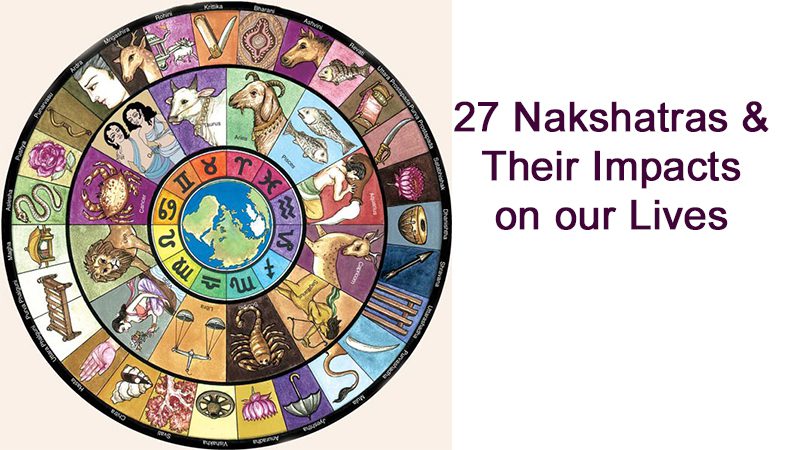
The concept of Nakshatras is fundamental in Hindu mythology and astrology. These are lunar mansions or segments of the sky through which the moon travels in its monthly cycle. There are a total of 27 Nakshatras, each associated with a specific set of characteristics and attributes. The Nakshatras play a significant role in determining an individual’s personality, behavior, and destiny according to Hindu astrology. Each Nakshatra has a unique name, symbol, and ruling deity, which contribute to its specific influence on human affairs.
The Significance of Nakshatras
Nakshatras are not just celestial markers; they hold deep astrological significance. In Hindu astrology, the position of the moon in a Nakshatra at the time of a person’s birth is believed to influence their life path. This is why many people consult astrological charts based on Nakshatras when making important life decisions, such as marriage or starting a new business. The characteristics of each Nakshatra can reveal insights about a person’s strengths, weaknesses, and potential life challenges.
 Naginas
Each Nakshatra is divided into four quarters, known as Padas. These Padas further refine the interpretation of the Nakshatra’s influence, adding layers of complexity to an individual’s astrological profile. For instance, a person born in the first Pada of a Nakshatra may exhibit different traits than someone born in the last Pada of the same Nakshatra. This granularity allows for a more personalized astrological reading.
The 27 Nakshatras
Understanding the 27 Nakshatras is essential for anyone interested in Hindu astrology. Each Nakshatra has its own unique qualities and attributes. Below is a list of the Nakshatras along with brief descriptions of their characteristics:
- Ashwini: Represents speed and movement. Ruling deity: Ashwini Kumaras.
- Bharani: Associated with creativity and birth. Ruling deity: Yama.
- Krittika: Symbolizes strength and determination. Ruling deity: Agni.
- Rohini: Represents beauty and abundance. Ruling deity: Prajapati.
- Mrigaśīrṣa: Signifies exploration and curiosity. Ruling deity: Soma.
- Ardra: Represents transformation and change. Ruling deity: Rudra.
- Punarvasu: Symbolizes renewal and return. Ruling deity: Aditi.
- Pushya: Associated with nourishment and support. Ruling deity: Brihaspati.
- Ashlesha: Represents intuition and secrecy. Ruling deity: Naga.
- Maghā: Symbolizes leadership and authority. Ruling deity: Pitrs.
- Pūrva Phalgunī: Associated with joy and celebration. Ruling deity: Bhaga.
- Uttara Phalgunī: Represents cooperation and partnerships. Ruling deity: Aryaman.
- Hasta: Symbolizes skill and dexterity. Ruling deity: Savitar.
- Chitra: Represents beauty and artistry. Ruling deity: Tvashtar.
- Swati: Associated with independence and flexibility. Ruling deity: Vayu.
- Vishakha: Symbolizes determination and goal-oriented behavior. Ruling deity: Indra and Agni.
- Anuradha: Represents friendship and loyalty. Ruling deity: Mitra.
- Jyeshtha: Associated with power and authority. Ruling deity: Indra.
- Mūla: Symbolizes depth and exploration. Ruling deity: Nirriti.
- Pūrva Ashadha: Represents victory and success. Ruling deity: Apah.
- Uttara Ashadha: Associated with perseverance and resilience. Ruling deity: Vishvadevas.
- Shravana: Symbolizes learning and knowledge. Ruling deity: Vishnu.
- Dhanishta: Associated with wealth and prosperity. Ruling deity: Vasus.
- Shatabhisha: Represents healing and protection. Ruling deity: Varuna.
- Pūrva Bhadrapada: Symbolizes spirituality and enlightenment. Ruling deity: Aja Ekapada.
- Uttara Bhadrapada: Associated with introspection and wisdom. Ruling deity: Ahirbudhnya.
- Revati: Represents compassion and nurturing. Ruling deity: Pushan.
The Influence of Nakshatras on Personality
The Nakshatras are believed to influence a person’s personality traits, making them an essential component of astrological readings. Each Nakshatra imparts certain qualities that shape how individuals respond to various life situations. For example, someone born under the Nakshatra of Ashwini may exhibit qualities of speed and enthusiasm, often eager to take on new challenges. Conversely, a person born under Jyeshtha may display more authoritative traits, seeking leadership roles and exhibiting a strong sense of responsibility.
 Nagas
NagasMoreover, the Nakshatra in which a person is born can influence their relationships. Individuals born under Pushya, known for their nurturing qualities, may find themselves drawn to caring professions or roles where they can support others. On the other hand, those born under Maghā, with its focus on leadership, may find themselves naturally gravitating towards positions of authority and influence in their communities.
Nakshatras and Compatibility
In Hindu astrology, the Nakshatras are also used to assess compatibility between individuals, particularly in the context of marriage. Each Nakshatra has specific traits that can either harmonize or clash with those of another Nakshatra. For instance, a person born under Rohini may have a strong emotional connection with someone born under Hasta, as both share a creative and artistic nature. This connection can foster a deep understanding and appreciation for each other’s talents.
 Murugan
On the contrary, mismatched Nakshatras can lead to challenges in a relationship. For example, a person born under Mūla, who may be more introspective and secretive, might struggle to connect with someone from Ardra, who thrives on change and transformation. Understanding these dynamics can be crucial for individuals and families when considering potential partners.
The Role of Nakshatras in Vedic Rituals
Nakshatras hold significant importance in various Vedic rituals and ceremonies. Many rituals are timed according to the Nakshatras to enhance their effectiveness. For example, auspicious days for marriage or housewarming ceremonies are often determined by the position of the moon in relation to the Nakshatras. Each Nakshatra is associated with specific rituals and offerings that can be made to invoke the blessings of the ruling deities.
During ceremonies, priests often refer to the Nakshatra of the participants to determine the most auspicious timings for various rituals. This practice underscores the belief that the cosmic forces represented by the Nakshatras can influence the outcome of these rituals. Additionally, many individuals perform personal rituals or Puja on their Nakshatra days to honor their ruling deities and seek blessings for health, prosperity, and success.
Nakshatras in Modern Astrology
Despite their ancient origins, Nakshatras continue to be relevant in modern astrology. Many contemporary astrologers incorporate Nakshatras into their readings to provide a more nuanced understanding of an individual’s astrological chart. By considering both the traditional zodiac signs and the Nakshatras, astrologers can offer insights that resonate more deeply with clients.
Furthermore, the rise of digital astrology platforms has made information about Nakshatras more accessible to a broader audience. People are increasingly interested in exploring their Nakshatra and understanding how it impacts their lives. This interest has led to a resurgence in the study of Nakshatras, with many individuals seeking to learn more about their astrological significance and how they can harness their energies for personal growth.
As we delve deeper into the world of Nakshatras, it becomes clear that they are much more than mere celestial markers. They are integral to the fabric of Hindu mythology and astrology, providing insights into personality, relationships, and life paths. Understanding Nakshatras allows individuals to navigate their lives with greater awareness and purpose. Whether one is seeking compatibility in relationships, timing for rituals, or simply a deeper understanding of oneself, the Nakshatras offer a rich tapestry of knowledge that continues to resonate today.