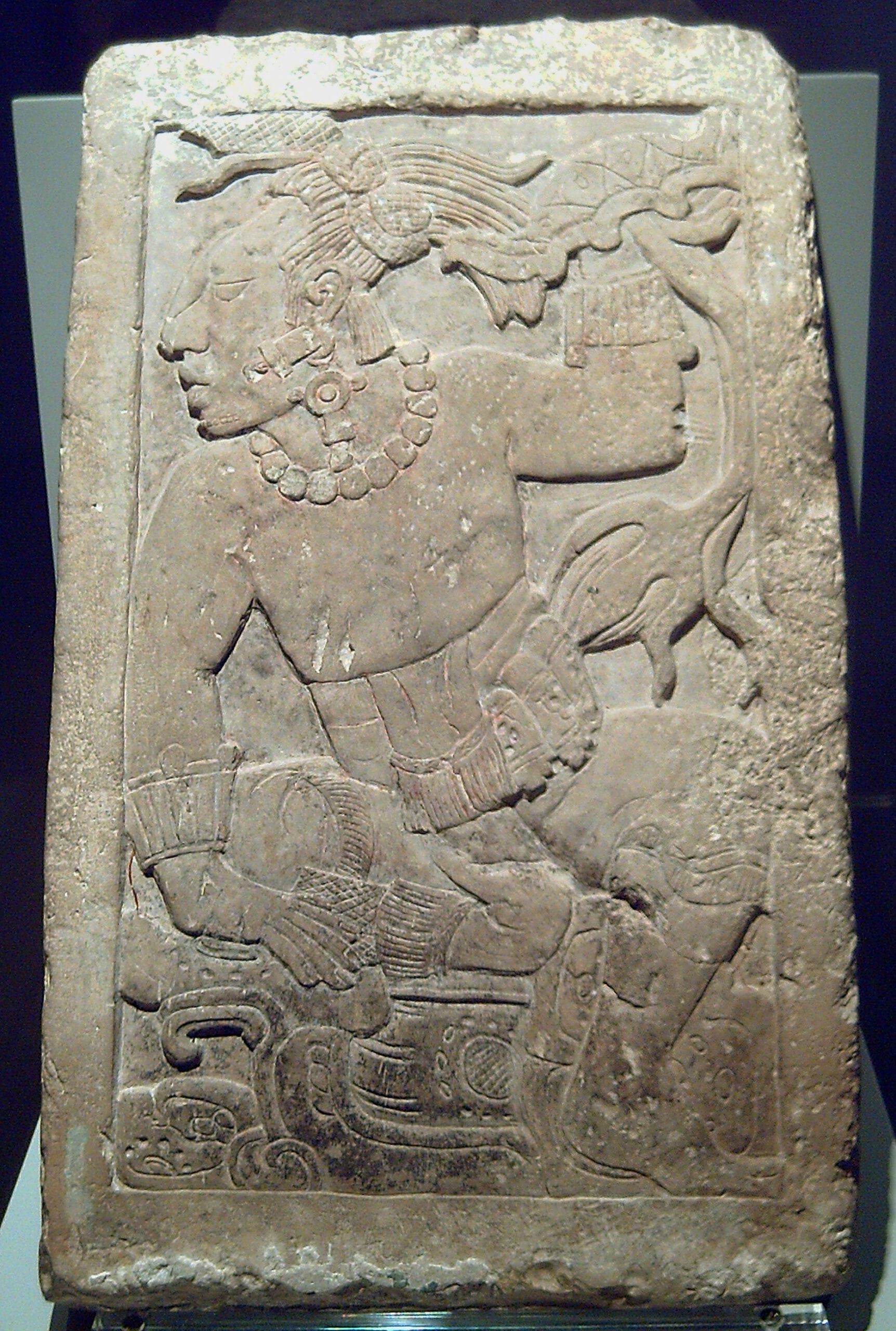
The term Bacabs refers to a significant group of deities in Maya mythology. These gods are often depicted as powerful beings who hold the responsibility of supporting the sky. The Bacabs are closely associated with the four cardinal directions, and each of them is believed to govern a specific direction. This characteristic makes them vital in understanding the cosmology of the Maya civilization. The Bacabs are not only deities of the sky but also represent various elements of nature, including rain and agriculture. Their influence extends to numerous aspects of daily life, reflecting the deep connection the Maya had with their environment.
Origins of the Bacabs
The origins of the Bacabs can be traced back to the ancient beliefs of the Maya people. According to their mythology, the Bacabs are often considered to be the sons of the god Tepeu and the goddess Gucumatz. These two deities played a crucial role in the creation of the world and the establishment of order within it. The Bacabs, therefore, were born from the very essence of creation, embodying the forces that maintain balance in the universe. Their roles are intricately linked to the survival and prosperity of the Maya, as they oversee the natural cycles that govern life.
 Alphabet Gods
In various texts and inscriptions, the Bacabs are referred to by different names, depending on their associated directions. For instance, the Bacab who governs the east is often called Ikal, while the one associated with the west is known as Kakab. The Bacab of the north is referred to as Chak, and the one representing the south is called Hunahpú. Each of these gods not only represents a direction but also embodies specific traits and powers that influence the natural world. This multifaceted representation of the Bacabs reflects the complex understanding the Maya had of their environment.
Roles and Responsibilities
The Bacabs are primarily known for their role in supporting the sky. This act is symbolic of their strength and importance in maintaining cosmic order. Each Bacab is believed to hold up a corner of the sky, ensuring that it does not collapse upon the earth. This imagery is significant in Maya art and iconography, where the Bacabs are often depicted in various forms, sometimes with their arms extended to symbolize their support of the heavens. The strength of the Bacabs is a testament to their importance in the Maya belief system.
In addition to their role in the sky, the Bacabs are also seen as deities of rain and fertility. They are often invoked during agricultural ceremonies, as their favor is crucial for a successful harvest. The Bacabs are believed to control the rains that nourish the crops, making them essential for the survival of the Maya people. In many rituals, offerings are made to the Bacabs to ensure that they bless the land with sufficient rainfall. This connection to agriculture highlights the deep relationship the Maya had with nature and their reliance on the gods for sustenance.
 Alaghom
Symbolism of the Bacabs
- Sky Support: Each Bacab symbolizes a corner of the sky, representing stability and balance.
- Rain and Fertility: They are crucial for agricultural success, controlling the rains that nourish the earth.
- Cardinal Directions: Each Bacab corresponds to a specific direction, adding to their significance in navigation and orientation.
The symbolism associated with the Bacabs extends beyond their physical representation. They embody the cyclical nature of life and the interconnectedness of all things. The Maya viewed the world as a delicate balance of forces, and the Bacabs played a vital role in maintaining that balance. Their influence can be seen in various aspects of Maya culture, from art and literature to rituals and daily practices. Understanding the symbolism of the Bacabs allows us to appreciate the depth of Maya mythology and its relevance to their worldview.
Cultural Significance
The Bacabs hold a significant place in Maya culture and religion. They are often featured in various myths and legends, illustrating their importance in the spiritual life of the Maya people. The stories surrounding the Bacabs highlight their roles as protectors and nurturers, reflecting the values of the society that worshiped them. In many instances, the Bacabs are depicted as benevolent figures who provide guidance and support to humanity. This portrayal reinforces the idea that the gods are intimately connected to the lives of the people.
 Kam
KamIn addition to their mythological significance, the Bacabs are also represented in Maya art and architecture. Temples and monuments often feature carvings and inscriptions dedicated to these deities, showcasing their importance in religious practices. The Bacabs are frequently depicted alongside other gods and goddesses, emphasizing their role within the larger pantheon of Maya deities. This artistic representation serves as a reminder of the reverence the Maya had for the Bacabs and their influence on the world around them.
Rituals and Offerings
Rituals dedicated to the Bacabs were an essential part of Maya religious life. These ceremonies often involved elaborate offerings, including food, incense, and other items deemed valuable to the gods. The purpose of these rituals was to seek the favor of the Bacabs, ensuring their blessings for rain and agricultural abundance. Priests and priestesses would perform these rituals with great care, understanding the significance of each element involved. The success of a harvest was often attributed to the goodwill of the Bacabs, making these rituals crucial for the survival of the community.
In some instances, specific festivals were held in honor of the Bacabs, celebrating their contributions to the natural world. These festivals included music, dance, and communal feasting, allowing the community to come together in gratitude and reverence. The Bacabs were seen as not just distant gods but as active participants in the lives of the Maya. By honoring them through ritual and celebration, the Maya reinforced their connection to the divine and the natural world.
The Bacabs in Contemporary Maya Culture
Even today, the influence of the Bacabs can be felt in contemporary Maya culture. Many descendants of the ancient Maya continue to honor their ancestors’ beliefs and practices. The Bacabs are still recognized as important figures in their spiritual life, and rituals may be performed to seek their guidance and blessings. This continuity of belief highlights the resilience of Maya culture and its ability to adapt while preserving its core values and traditions.
Modern interpretations of the Bacabs can also be found in art, literature, and community celebrations. Artists may depict the Bacabs in various forms, drawing from ancient iconography while infusing their work with contemporary themes. This blending of past and present allows for a rich exploration of Maya identity and spirituality. The Bacabs remain a vital part of the cultural landscape, representing the enduring legacy of the Maya civilization.
The Bacabs are a fascinating aspect of Maya mythology, embodying the intricate relationship between the Maya people and their environment. Their roles as sky-supporting deities and guardians of rain highlight the importance of nature in Maya life. Through rituals, art, and contemporary practices, the Bacabs continue to be celebrated and honored, ensuring their place in the ongoing narrative of Maya culture. Understanding the Bacabs provides valuable insight into the beliefs and values of the ancient Maya, as well as their lasting impact on modern society.