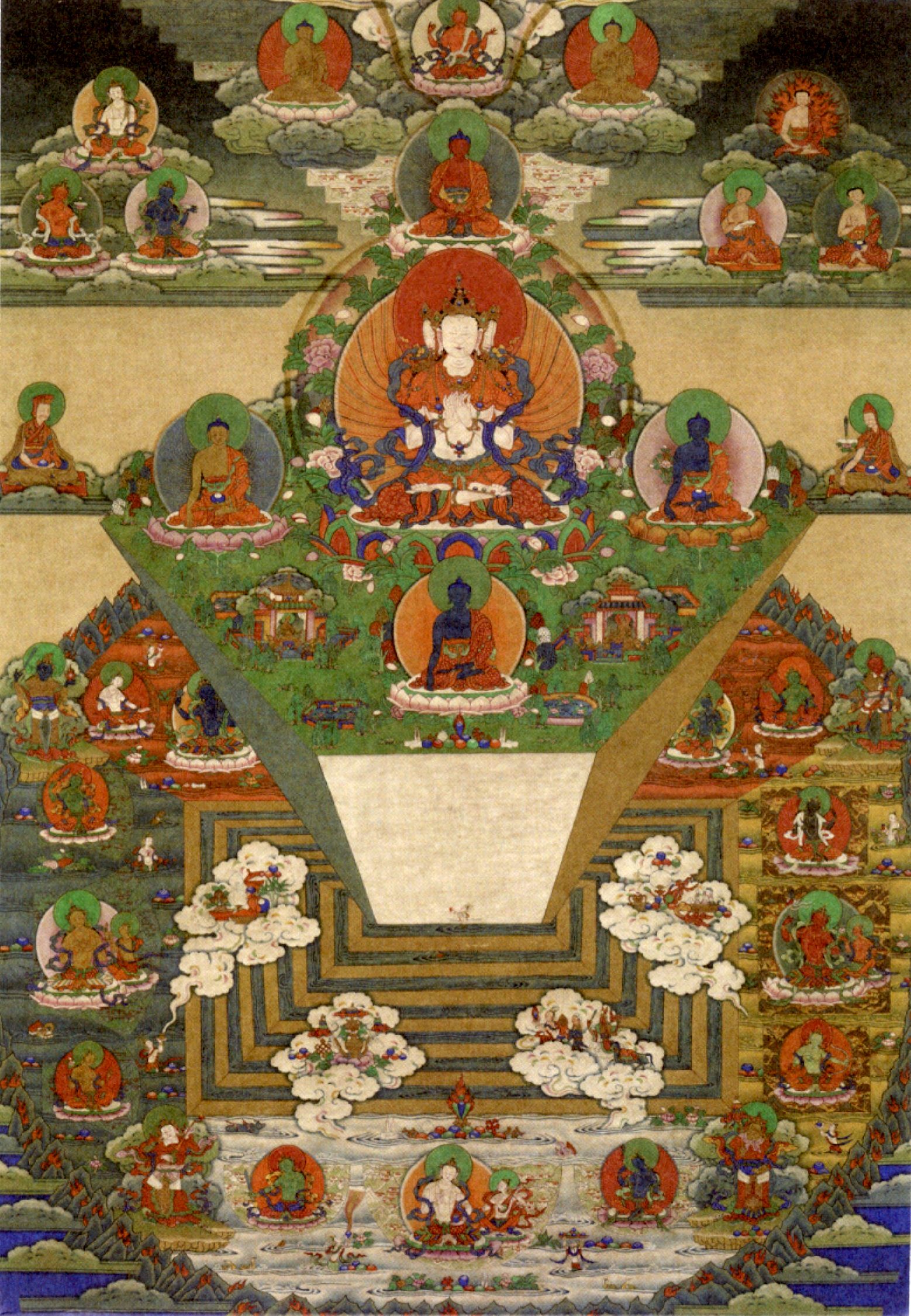
In Hindu mythology, Meru is often referred to as a sacred mountain, considered the center of all physical and spiritual universes. This mountain holds great significance in various texts and traditions, being a symbol of spiritual ascent and the connection between the earth and the heavens. It is described in ancient scriptures as a place of great beauty and profound importance, serving as the abode of the gods and the axis around which the universe revolves. Meru is often depicted as a tall, conical mountain, representing the highest spiritual aspirations and the journey towards enlightenment.
Significance of Mount Meru
The importance of Mount Meru in Hindu mythology cannot be overstated. It is not just a physical mountain; it is a representation of the cosmic order. Many texts, including the Vedas and Puranas, describe Meru as the source of all creation and the place where the gods reside. This sacred mountain is said to be the meeting point of the earthly and the divine, embodying the principles of dharmic living and spiritual wisdom. Meru is also associated with the axis mundi, the world axis that connects the heavens, the earth, and the underworld.
 Matsya
In various religious traditions, Mount Meru is viewed as the center of the universe. It is often depicted in the cosmological maps of ancient India, where it stands tall amidst the oceans and surrounded by several other mountains. The significance of Meru extends beyond just a geographical location; it serves as a metaphor for the spiritual journey one must undertake to achieve ultimate liberation or Moksha. This journey involves overcoming the obstacles and challenges represented by the surrounding realms.
Meru in Hindu Texts
Several ancient texts mention Mount Meru, highlighting its importance in the Hindu belief system. The Mahabharata, one of the two major Sanskrit epics, describes Meru as a mountain that reaches the heavens. It is depicted as the residence of Lord Shiva and other deities. In the Vishnu Purana, Meru is described in detail, emphasizing its role as a cosmic axis and a source of all energy and creation. The descriptions often include the lush vegetation and the serene environment that characterizes this sacred place.
The Skanda Purana also offers insights into the geography of Meru, illustrating its position in relation to other significant locations in Hindu cosmology. According to these texts, Meru is surrounded by the seven oceans and several other mountains, each holding their unique significance. The texts often elaborate on the various rituals and practices that devotees perform in reverence to this sacred mountain, emphasizing its spiritual importance.
 Prithvi
Mythological Stories Associated with Meru
Mount Meru is the backdrop for many fascinating mythological stories that illustrate its significance in Hindu culture. One of the most notable tales involves the churning of the ocean (Samudra Manthan). In this story, the gods and demons worked together to churn the ocean to obtain the nectar of immortality. Mount Meru served as the central axis around which this monumental task was performed. This event symbolizes the struggle between good and evil and the quest for eternal life.
- Churning of the Ocean: This story highlights the cooperative effort between the gods and demons.
- Nectar of Immortality: The ultimate goal of the churning was to obtain this divine substance.
- Symbolism: The tale illustrates the balance between opposing forces and the importance of teamwork.
Another significant story associated with Mount Meru is the tale of Lord Shiva and the cosmic dance. It is said that Shiva performs his celestial dance on the summit of Meru, representing the dynamic nature of the universe and the constant cycle of creation and destruction. This dance is not just a performance; it is a cosmic event that maintains the balance of the universe. The imagery of Shiva dancing atop Meru serves as a powerful reminder of the connection between the divine and the earthly realms.
 Maruts
Meru in Art and Architecture
The influence of Mount Meru extends into the realms of art and architecture as well. Many temples and structures in India are designed to symbolize the sacred mountain. The Shikhara or spire of Hindu temples often resembles the shape of Meru, signifying the ascent towards the divine. This architectural style is prevalent in many ancient temples, where the verticality of the structure represents the connection between the earth and the heavens.
In traditional art, Mount Meru is often depicted as a majestic mountain surrounded by celestial beings and lush landscapes. Artists use vibrant colors and intricate designs to capture the beauty and spiritual significance of this sacred place. These artistic representations serve not only as a tribute to Meru but also as a means of inspiring devotion among worshippers. The visual imagery of Mount Meru plays a crucial role in conveying the essence of Hindu spirituality and cosmology.
Modern Interpretations of Meru
In contemporary times, the significance of Mount Meru continues to resonate with many spiritual seekers and practitioners. While the physical mountain may not be accessible to everyone, its symbolic representation remains powerful. Many people view Meru as a metaphor for personal growth and spiritual evolution. The journey towards the summit of Meru is seen as a path towards self-realization and enlightenment.
Additionally, the concept of Meru has found its way into various spiritual practices and teachings. Many meditation techniques and yoga practices draw inspiration from the idea of ascending the mountain, symbolizing the journey towards higher consciousness. The teachings associated with Meru encourage individuals to overcome their challenges and strive for a deeper understanding of themselves and their place in the universe.
Meru in Comparative Mythology
When examining Mount Meru in the context of comparative mythology, it becomes evident that many cultures have similar concepts of a sacred mountain or cosmic axis. For instance, in Greek mythology, Mount Olympus serves as the home of the gods, much like Meru. Similarly, in various indigenous cultures, mountains are often viewed as sacred spaces where the divine meets the earthly realm. These parallels highlight the universal human inclination to seek connection with the divine through natural landscapes.
The presence of sacred mountains in different cultures serves as a reminder of the shared human experience of searching for meaning and connection. Just as Meru represents the center of the universe in Hindu mythology, other cultures have their unique interpretations of sacred spaces that hold spiritual significance. This comparative analysis not only enriches our understanding of Meru but also emphasizes the interconnectedness of human spirituality across different traditions.
Meru in Popular Culture
In recent years, the concept of Mount Meru has also found its way into popular culture. Films, literature, and art have drawn inspiration from the rich mythology surrounding this sacred mountain. Documentaries and movies exploring Hindu mythology often highlight the stories and significance of Meru, bringing these ancient tales to a broader audience. This resurgence of interest in Mount Meru reflects a growing curiosity about spiritual traditions and their relevance in today’s world.
Moreover, the symbolism of Meru as a representation of the spiritual journey resonates with many individuals seeking personal growth and fulfillment. As people navigate the complexities of modern life, the idea of climbing their own metaphorical Meru can inspire them to overcome obstacles and strive for higher aspirations. This contemporary interpretation of Meru serves as a reminder that the quest for spiritual enlightenment is timeless and universal.
Mount Meru, as a central figure in Hindu mythology, encompasses a wealth of meaning and significance. Its portrayal as a sacred mountain that connects the earthly and divine realms serves as a powerful symbol of the spiritual journey. Through ancient texts, mythological stories, artistic representations, and modern interpretations, Meru continues to inspire and guide individuals on their quest for meaning and connection. The timeless relevance of Mount Meru highlights the enduring nature of human spirituality and the universal quest for enlightenment.