
Mitra is a significant deity in Hindu mythology, known for his associations with the sun, friendship, and the cosmic order. He is often depicted as a radiant figure who embodies light and truth. In ancient texts, Mitra is revered for his role in maintaining harmony in the universe and is associated with the principles of justice and moral order. His worship was prominent among various Indo-Iranian cultures, and he plays a vital role in the Vedic texts, where he is frequently mentioned alongside other deities.
The Origins of Mitra
The origins of Mitra can be traced back to the ancient Indo-Iranian culture. In the Vedic texts, particularly the Rigveda, Mitra is one of the Adityas, a group of solar deities. He is often mentioned alongside Varuna, who represents the cosmic order and moral authority. Together, they symbolize the balance of natural forces and the importance of maintaining righteousness in human affairs. The duality of Mitra and Varuna reflects the ancient belief in the interdependence of light and darkness, truth and deception.
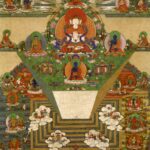 Meru
MeruMitra’s name is derived from the root word that means “to bind” or “to connect.” This etymology emphasizes his role as a deity who fosters friendship and alliances among people. In the ancient world, where tribal conflicts were common, the concept of friendship promoted by Mitra was essential for maintaining peace and cooperation. This aspect of his character highlights the importance of social bonds and the ethical conduct expected of individuals within a community.
Mitra in the Vedic Texts
The Vedic texts, particularly the Rigveda, contain numerous hymns dedicated to Mitra. He is often invoked during rituals and ceremonies, where his blessings are sought for prosperity and harmony. The hymns describe him as a powerful figure who watches over the actions of humans, ensuring that they adhere to the principles of dharma or righteous living. His association with the sun reinforces his role as a guardian of truth and justice, illuminating the path for those who seek to live virtuously.
In the Rigveda, Mitra is frequently paired with Varuna, highlighting their complementary roles in the cosmic order. While Varuna is more focused on the moral law and cosmic justice, Mitra emphasizes the importance of friendship and social harmony. This duality reflects the ancient understanding of the universe, where the balance of opposing forces is essential for maintaining order. The hymns often express a deep reverence for Mitra, showcasing the respect and devotion that ancient people had for this vital deity.
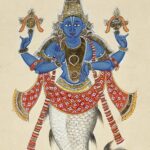 Matsya
Mitra and the Concept of Friendship
One of the most significant aspects of Mitra’s character is his embodiment of friendship. In Hindu mythology, friendship is not merely a social bond but a sacred connection that fosters mutual respect and loyalty. Mitra’s role as the god of friendship emphasizes the importance of building strong relationships based on trust and understanding. In ancient times, people would invoke Mitra’s blessings when forming alliances or entering into agreements, seeking his approval to ensure that their bonds would be fruitful and enduring.
The concept of friendship in the context of Mitra extends beyond personal relationships. It encompasses the idea of community and collective well-being. The ancient texts suggest that a society built on the principles of friendship and cooperation would thrive, while one plagued by discord would face challenges. This understanding of friendship as a foundation for societal stability highlights the moral teachings associated with Mitra, urging individuals to prioritize harmony in their interactions with others.
Mitra and the Cosmic Order
Mitra’s role in maintaining the cosmic order is another crucial aspect of his mythology. As a solar deity, he symbolizes the life-giving power of the sun and its essential role in sustaining life on Earth. The rising sun represents the triumph of light over darkness, a metaphor for the victory of truth over falsehood. In this sense, Mitra serves as a reminder of the importance of living in accordance with the natural laws of the universe, which are believed to be governed by the principles of righteousness and justice.
 Prithvi
In Vedic cosmology, the universe is viewed as a dynamic interplay of forces, with Mitra playing a vital role in maintaining balance. His association with the sun highlights the belief that the sun’s journey across the sky symbolizes the cycle of life, death, and rebirth. This cyclical nature of existence is central to Hindu philosophy, and Mitra’s presence serves as a guiding force that encourages individuals to align their lives with the cosmic rhythms. His teachings emphasize the significance of living in harmony with nature and recognizing the interconnectedness of all beings.
Mitra’s Worship and Rituals
The worship of Mitra was an integral part of ancient Vedic rituals. Devotees would offer prayers and perform sacrifices to seek his blessings for prosperity and peace. The rituals often involved the recitation of hymns from the Rigveda, invoking Mitra’s presence and seeking his guidance in matters of justice and moral conduct. The ceremonies were designed to foster a sense of community and collective responsibility, emphasizing the importance of ethical living.
In addition to public rituals, personal devotion to Mitra was also common. Individuals would invoke his name during daily prayers, seeking his protection and guidance in their personal affairs. The emphasis on friendship and social bonds in Mitra’s teachings encouraged individuals to cultivate positive relationships within their families and communities. This aspect of worship reflects the broader cultural values of ancient India, where social harmony and ethical conduct were paramount.
Mitra in Later Traditions
Mitra’s influence extended beyond the Vedic period and into later Hindu traditions. In the epic texts, such as the Mahabharata and the Ramayana, references to Mitra can be found, often highlighting his role as a protector and a source of divine wisdom. His teachings on friendship and moral conduct continued to resonate, shaping the ethical framework of later Hindu philosophy. The enduring legacy of Mitra is evident in the continued emphasis on friendship and social harmony in contemporary Hindu thought.
Moreover, the concept of Mitra has transcended religious boundaries, influencing other cultures and belief systems. The parallels between Mitra and other solar deities in various mythologies underscore the universal themes of light, truth, and justice. This cross-cultural significance highlights the enduring relevance of Mitra’s teachings, reminding individuals of the importance of ethical living and the value of strong social bonds.
Mitra in Popular Culture
In modern times, Mitra’s legacy continues to inspire various forms of artistic expression, including literature, music, and visual arts. His portrayal as a deity of friendship and cosmic order resonates with contemporary audiences, emphasizing the timeless values of truth and justice. Artists often draw upon the rich symbolism associated with Mitra, using it as a source of inspiration for their work. This artistic exploration of Mitra reflects the ongoing relevance of his teachings in today’s world.
Furthermore, the celebration of festivals that honor the sun, such as Makar Sankranti and Pongal, often includes elements that pay homage to Mitra. These festivals highlight the cultural significance of solar deities in Hindu traditions, reinforcing the connection between ancient beliefs and contemporary practices. The rituals and celebrations surrounding these festivals serve as a reminder of the enduring importance of friendship, community, and ethical living.
Mitra’s Symbolism and Iconography
Mitra is often depicted in various forms of iconography, reflecting his multifaceted nature as a deity. Common representations include a radiant figure symbolizing the sun, often adorned with golden garments and a crown. He may also be shown riding a chariot drawn by horses, representing the sun’s journey across the sky. This imagery emphasizes his connection to light and the cosmic order, reinforcing his role as a guardian of truth and justice.
The symbolism associated with Mitra extends beyond his physical representations. The sun, as a central element of his iconography, signifies life, vitality, and enlightenment. In many cultures, the sun is revered as a source of energy and sustenance, making Mitra a vital figure in agricultural societies. His association with the sun also highlights the importance of natural cycles, urging individuals to live in harmony with the rhythms of nature.
Mitra’s enduring legacy in Hindu mythology reflects the timeless values of friendship, truth, and cosmic order. His teachings continue to resonate with individuals seeking to live ethically and harmoniously in their communities. The rich symbolism and iconography associated with Mitra serve as a reminder of the interconnectedness of all beings and the importance of nurturing positive relationships. Through the worship and reverence of Mitra, ancient traditions continue to inspire contemporary practices, highlighting the relevance of his teachings in today’s world.