
Morta is a significant figure in Roman mythology, often overshadowed by more prominent deities. She is associated with death and the afterlife, embodying the inevitable fate that awaits all mortals. Morta is one of the Parcae, the three goddesses of fate who control the destiny of individuals. Understanding Morta’s role in mythology helps to shed light on the Roman perspective of life, death, and what lies beyond. This article will delve into various aspects of Morta’s character, her symbolism, and her significance in Roman culture.
The Nature of Morta
Morta, often referred to simply as “Death,” represents the finality that all living beings must face. Unlike the more benevolent gods, Morta embodies a neutral force that is neither good nor evil. Her presence serves as a reminder of the transience of life. Morta is often depicted as a stern figure, wielding a scythe or similar instrument to symbolize the cutting of life threads. This imagery resonates with the concept that life is fragile and that death is an integral part of existence.
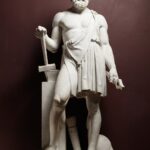 Vulcan
The Parcae include Morta, along with her sisters, Clotho and Lachesis. Clotho spins the thread of life, Lachesis measures it, and Morta ultimately cuts it. This division of labor among the sisters illustrates a complete cycle of life and death, emphasizing that Morta’s role is essential in the grand tapestry of human experience. Without Morta, life would lack closure, and the natural order would be disrupted.
Morta in Roman Culture
The Romans had a unique relationship with death, viewing it as a natural progression rather than something to be feared. Morta, as a personification of death, played a vital role in this worldview. The Romans honored their dead through various rituals and ceremonies, which were often conducted with the belief that it was essential to appease the spirits of the deceased. Morta, in this context, can be seen as a guide who leads souls to the afterlife.
Many ancient Roman texts and artifacts depict Morta in various forms, showcasing her significance in their belief system. The Lares and Penates, household gods, were often invoked to protect the living and honor the dead. Morta’s presence was felt during these rituals, as she was a constant reminder of the cycle of life and the need to respect those who had passed on. This intertwining of life, death, and spirituality is a cornerstone of Roman culture.
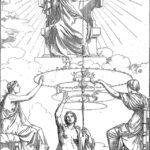 Necessitas
Symbolism of Morta
Morta symbolizes the inevitable end that all must face. Her imagery is often stark, embodying a sense of finality that can be both frightening and comforting. In many depictions, she is shown with a veil or shroud, representing the mystery surrounding death. This veil serves to remind the living that the afterlife is an unknown territory, one that must be approached with respect and caution.
Furthermore, Morta’s scythe symbolizes the act of severing ties with the mortal realm. It is a powerful symbol of transformation, indicating that death is not merely an end but a transition to another state of existence. The act of cutting the thread of life is seen as a necessary step in the natural order, allowing new life to emerge from the old. This cyclical understanding of life and death is fundamental to Roman beliefs.
Comparisons with Other Mythologies
Morta’s character can be compared to other death deities across various cultures. For instance, in Greek mythology, Thanatos is the personification of death, similar to Morta. Both figures represent the end of life but also serve as guides for souls transitioning to the afterlife. The similarities highlight a common understanding of death across different cultures, where the figure of death is not merely a harbinger of doom but also a necessary part of existence.
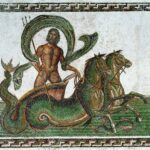 Neptune
In Egyptian mythology, the goddess Ma’at represents truth and justice, but she is also associated with the afterlife, as she weighs the hearts of the deceased against a feather. While Morta’s role is more direct in cutting the thread of life, the concept of judgment and the afterlife is prevalent in both mythologies. These comparisons illustrate that while cultural interpretations may vary, the underlying themes of mortality and the afterlife remain universal.
Morta’s Influence on Literature and Art
Morta has inspired various works of literature and art throughout history. Her character has been explored in poems, plays, and visual art, often reflecting society’s complex relationship with death. In literature, Morta is sometimes portrayed as a tragic figure, embodying the sorrow of lost lives and the inevitability of fate. This portrayal adds depth to her character, transforming her from a mere symbol of death into a more nuanced figure representing loss and mourning.
Artists have also depicted Morta in various forms, capturing her essence through paintings and sculptures. In many artworks, she is shown in a somber light, often surrounded by symbols of mortality, such as skulls and wilting flowers. These representations serve to remind viewers of the ephemeral nature of life and the importance of cherishing each moment. Through these artistic expressions, Morta’s influence extends beyond mythology, permeating the cultural fabric of societies that grapple with the concept of death.
Modern Interpretations of Morta
In contemporary culture, Morta’s archetype has evolved, appearing in various forms of media, including films, literature, and video games. Modern interpretations often blend her traditional characteristics with new narratives, exploring themes of mortality in innovative ways. For instance, some stories depict Morta as a more empathetic figure, one who understands the struggles of the living and guides them through their grief.
Additionally, the concept of death in modern society often lacks the reverence it once held. Morta’s role can serve as a reminder of the importance of acknowledging mortality and the impact it has on our lives. By incorporating her character into modern narratives, creators can foster discussions about death, loss, and the value of life, encouraging audiences to reflect on their own experiences with mortality.
Rituals and Practices Associated with Morta
The ancient Romans engaged in various rituals to honor Morta and the dead. These practices included offerings, prayers, and the observance of specific days dedicated to remembering the deceased. One significant practice was the Parentalia, a festival that honored ancestors. During this time, families would visit the graves of their loved ones, bringing offerings and performing rituals to ensure that the spirits were appeased and could rest peacefully.
Another important ritual was the Lemuria, which was held to exorcise malevolent spirits from the home. During this festival, the living would perform rites to appease the restless souls of the dead, reflecting the belief that Morta’s influence extended beyond mere death. These practices highlight the Romans’ understanding of the afterlife and their desire to maintain a connection with those who had passed on.
The Legacy of Morta
Morta’s legacy continues to resonate in modern discussions about death and the afterlife. Her character serves as a reminder of the inevitability of mortality, encouraging individuals to confront their fears and embrace the reality of life’s transience. In literature, art, and philosophy, Morta symbolizes the delicate balance between life and death, urging society to reflect on its values and priorities.
Furthermore, the ongoing fascination with death and the afterlife in popular culture underscores Morta’s enduring significance. Whether through horror films, fantasy novels, or philosophical debates, the themes associated with Morta remain relevant. Her character prompts individuals to ponder the mysteries of existence and the importance of living a life that honors both the living and the dead.
Conclusion: Morta’s Enduring Relevance
Morta’s role in Roman mythology is a profound reflection of the human experience. As a symbol of death and the afterlife, she embodies the complex emotions associated with mortality. The rituals, art, and literature inspired by her character highlight the need for society to engage with the themes of life, death, and what lies beyond. Morta’s influence transcends time and culture, serving as a reminder that while life is fleeting, the legacy of those who have passed endures in the hearts and minds of the living.