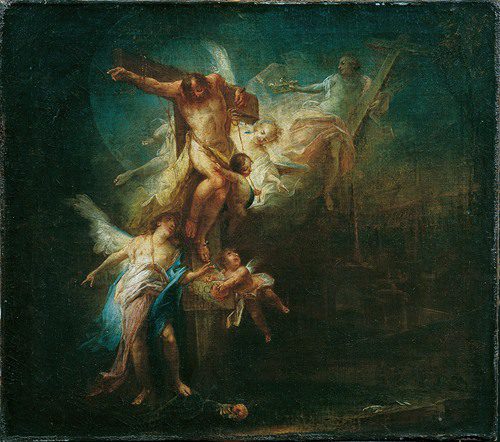
St. Deicolus, a lesser-known figure in Christian mythology, is often overshadowed by more prominent saints. However, his life and contributions to the Christian faith offer valuable insights into the early church’s development and the spread of Christianity in various regions. He is recognized primarily for his role as a missionary and his efforts in promoting the Christian faith among the pagan populations of ancient times. His story is intertwined with themes of faith, perseverance, and the transformative power of belief.
The Life of St. Deicolus
St. Deicolus was born in the early centuries of Christianity, a time marked by persecution and the struggle for believers to practice their faith openly. Little is known about his early life, but historical accounts suggest that he was born in a region that is now part of modern-day France. As a young man, he felt a strong calling to serve God, which led him to abandon his previous life and dedicate himself to spiritual pursuits.
 St. David
After his decision to follow a religious path, St. Deicolus became a monk. He joined a community of monks that focused on prayer, meditation, and serving the local community. His commitment to the monastic lifestyle allowed him to deepen his understanding of Christian teachings and develop a strong spiritual foundation. It was during this time that he began to feel a calling to become a missionary, a role that would define much of his later life.
The Missionary Work of St. Deicolus
St. Deicolus’s missionary work took him to various regions where Christianity was still a fledgling faith. His primary goal was to spread the message of Christ and convert those who had not yet embraced the teachings of the church. Armed with nothing but his faith and determination, he traveled extensively, often facing harsh conditions and hostility from those who adhered to pagan beliefs.
One of the significant areas he worked in was the region of Gaul, where he encountered various tribes and communities resistant to his message. Despite the challenges, St. Deicolus remained steadfast in his mission. He employed various strategies to connect with the people, including using local languages, customs, and traditions to convey the essence of Christianity. This approach helped him to establish a rapport with the locals and gradually win their trust.
 St. Damien Of Molokai
Methods of Evangelization
- Engaging with Local Cultures: St. Deicolus made an effort to understand the customs and traditions of the people he encountered. This understanding allowed him to present the Christian message in a way that resonated with their beliefs.
- Building Relationships: He prioritized building genuine relationships with individuals and communities. This relational approach was crucial in gaining acceptance and fostering dialogue about faith.
- Demonstrating Compassion: St. Deicolus was known for his acts of kindness and compassion. He helped the sick, fed the hungry, and provided for those in need, showcasing the love of Christ through his actions.
Through these methods, St. Deicolus was able to convert many individuals to Christianity. His efforts not only contributed to the growth of the church but also laid the groundwork for future missionaries who would follow in his footsteps. His legacy of evangelization continues to inspire Christian missionaries today.
The Challenges Faced by St. Deicolus
Despite his successes, St. Deicolus faced numerous challenges during his missionary journeys. The persecution of Christians was rampant during his time, and he often found himself at odds with local leaders who were hostile to his message. These leaders saw the rise of Christianity as a threat to their authority and traditional beliefs, leading to conflicts that could be dangerous for missionaries like St. Deicolus.
Moreover, the geographical terrain of the regions he traveled through presented its own set of challenges. St. Deicolus often traversed mountains, forests, and rivers, which made his journeys perilous. He faced natural obstacles such as harsh weather conditions and wild animals, which tested his resolve and faith. However, he persevered, believing that his mission was divinely ordained and that he was protected by God’s grace.
 St. Damian
Acts of Resilience
- Facing Imprisonment: On several occasions, St. Deicolus was imprisoned for his beliefs. Instead of renouncing his faith, he used these times of confinement to pray and reflect, often emerging with renewed vigor.
- Enduring Physical Hardship: The physical toll of his journeys was significant. St. Deicolus often went without food and shelter, relying on the goodwill of those he encountered.
- Overcoming Doubt: There were moments when he faced self-doubt, questioning the impact of his work. However, he always found strength in prayer and the support of fellow believers.
These challenges shaped St. Deicolus into a resilient and determined figure in Christian history. His ability to overcome adversity not only strengthened his faith but also served as an example for others who would follow in his path.
The Legacy of St. Deicolus
The legacy of St. Deicolus is one that continues to resonate within the Christian community. His contributions to the spread of Christianity in Europe are recognized by many, and his life serves as an example of dedication to faith and service. Following his death, numerous stories and legends began to emerge about his life and miraculous deeds, further cementing his status as a saint.
One of the most notable aspects of his legacy is the establishment of various churches and communities that were founded as a result of his missionary efforts. Many of these communities continue to exist today, serving as a testament to his enduring influence. The principles of love, compassion, and faith that St. Deicolus embodied are still reflected in the teachings of modern Christian congregations.
Celebrations and Commemorations
- Feast Day: St. Deicolus is celebrated on a specific feast day in various Christian denominations, where believers gather to honor his memory and contributions.
- Churches Named After Him: Numerous churches and institutions bear his name, serving as places of worship and community service.
- Educational Institutions: Some schools and universities are named in his honor, emphasizing the values he represented, such as service and leadership.
In addition to these celebrations, St. Deicolus is often invoked in prayers for strength and guidance. His life story continues to inspire individuals to pursue their faith with the same passion and commitment that he demonstrated throughout his life.
St. Deicolus in Art and Literature
The life and legacy of St. Deicolus have also been depicted in various forms of art and literature. Artists throughout history have created paintings, sculptures, and stained glass windows that capture significant moments from his life, showcasing his dedication to the Christian faith and his missionary work.
In literature, St. Deicolus has been the subject of numerous writings, including hagiographies that detail his life and accomplishments. These texts often highlight his miraculous deeds and the impact he had on the communities he served. They serve not only as historical records but also as sources of inspiration for those seeking to deepen their faith.
Artistic Representations
- Paintings: Many artists have depicted St. Deicolus in moments of prayer, preaching, or performing miracles, illustrating his deep connection to God.
- Sculptures: Statues of St. Deicolus can be found in churches and public spaces, serving as reminders of his legacy and the values he stood for.
- Literary Works: Various authors have written about his life, emphasizing the themes of perseverance, faith, and the importance of spreading the Christian message.
These artistic and literary representations not only preserve the memory of St. Deicolus but also continue to inspire new generations to embrace the values he exemplified.
The Significance of St. Deicolus Today
Today, St. Deicolus’s significance can be seen in the ongoing efforts of missionaries around the world. His life serves as a reminder of the importance of evangelism and the need for individuals to share their faith with others. In a world that often seems divided and conflicted, the message of love and compassion that St. Deicolus championed remains relevant.
Moreover, his example encourages believers to engage with their communities, understanding and respecting different cultures while sharing their faith. St. Deicolus’s approach to evangelization serves as a model for modern missionaries who strive to connect with people from diverse backgrounds.
Modern Applications of His Teachings
- Interfaith Dialogue: St. Deicolus’s willingness to engage with those of different beliefs promotes the idea of respectful dialogue among faiths.
- Community Service: His legacy inspires individuals to serve their communities, embodying the Christian principle of helping those in need.
- Global Mission Work: Many contemporary missionaries look to his life as a blueprint for their own work in spreading the Christian faith across the globe.
As society continues to evolve, the teachings and example of St. Deicolus remain a source of inspiration for Christians seeking to live out their faith actively and meaningfully.
St. Deicolus’s life and work embody the essence of what it means to be a faithful servant of God. His commitment to spreading the Christian message, despite numerous challenges, showcases the power of faith and resilience. As we reflect on his legacy, we are reminded of the importance of compassion, understanding, and the transformative power of belief in our lives and communities.