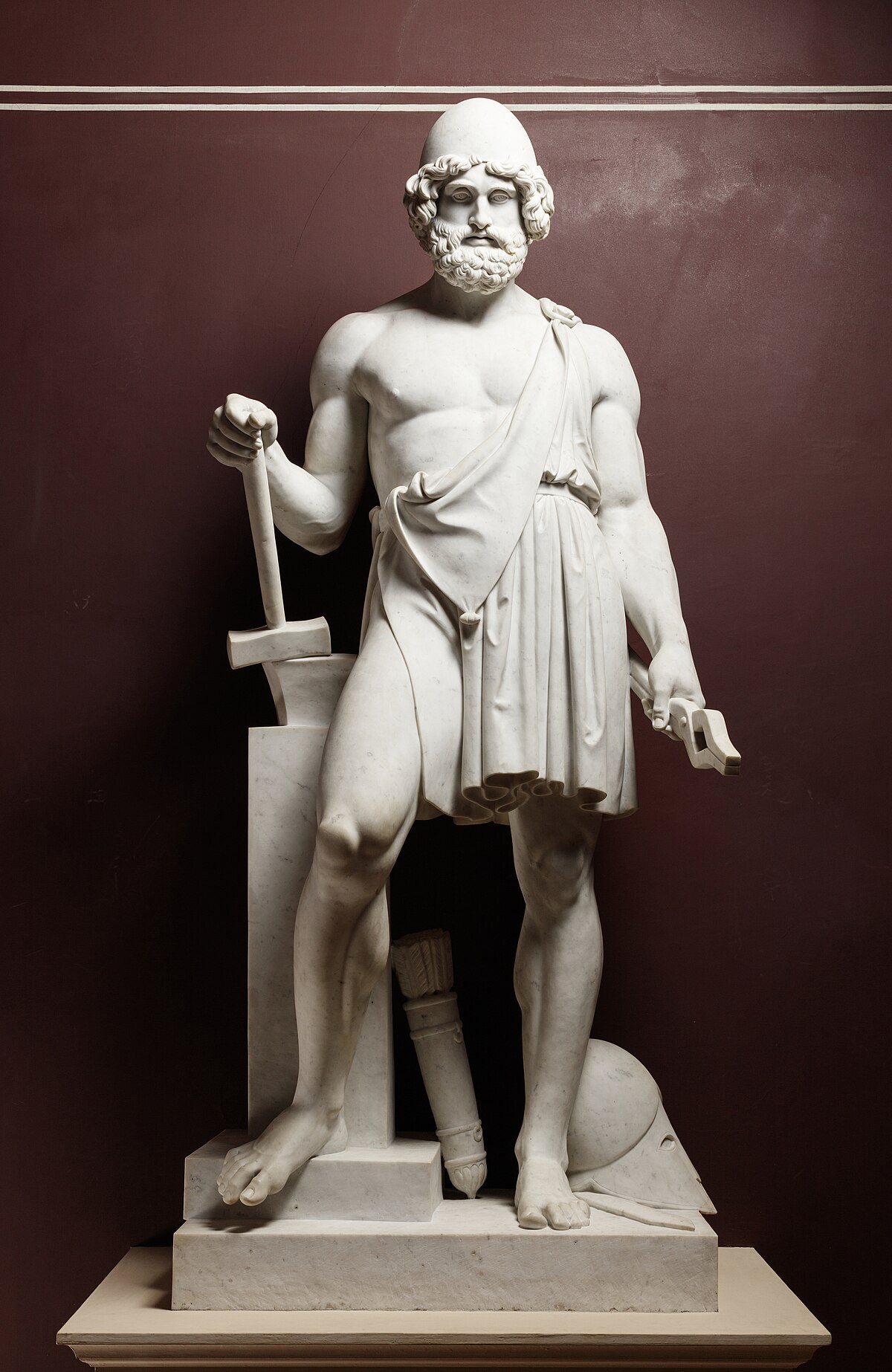
Vulcan is a significant figure in Roman mythology, known primarily as the god of fire, metalworking, and craftsmanship. He is often associated with the forge, where he creates weapons and armor for the gods and heroes of Roman tales. In many ways, Vulcan embodies the spirit of innovation and creativity, as he transforms raw materials into beautiful and functional objects. His influence extends beyond mere physical creations; he symbolizes the transformative power of fire and the importance of skilled labor in ancient society.
Origins of Vulcan
The origins of Vulcan can be traced back to the early days of Roman religion. He was often considered the equivalent of the Greek god Hephaestus. According to Roman mythology, Vulcan was born to Jupiter and Juno, the king and queen of the gods. His birth was marked by an unusual event; he was said to have been born deformed and weak, which led to his mother, Juno, rejecting him. This rejection resulted in Vulcan being cast out of Mount Olympus and falling to Earth, where he landed on the island of Lemnos.
 Necessitas
On Lemnos, Vulcan found solace and a community that accepted him. The island became a center of metalworking, and Vulcan honed his skills as a blacksmith. This period of isolation and hardship allowed him to develop his craft and become a master artisan. His skills eventually gained recognition among the gods, leading to his return to Olympus. Despite his early struggles, Vulcan became a vital figure in the pantheon, revered for his abilities and contributions to both gods and mortals.
Vulcan’s Attributes and Symbols
Vulcan is often depicted with several distinctive attributes that symbolize his role as the god of fire and metalworking. One of the most common symbols associated with him is the hammer, which represents his skill as a blacksmith. In many artworks, he is shown wielding a hammer while working at his forge, surrounded by the flames that are essential to his craft. The hammer is a powerful symbol of creation and destruction, reflecting the dual nature of fire itself.
Another important symbol associated with Vulcan is the anvil. The anvil is a tool that represents strength and stability, serving as the foundation upon which Vulcan shapes metal into various forms. Together, the hammer and anvil illustrate the process of transformation, emphasizing Vulcan’s role in turning raw materials into valuable objects. Additionally, Vulcan is often depicted wearing a helmet and apron, showcasing his identity as a craftsman dedicated to his work.
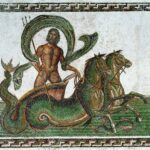 Neptune
Myths and Legends Involving Vulcan
Vulcan appears in various myths and legends that highlight his character and abilities. One of the most famous stories is that of his marriage to Venus, the goddess of love and beauty. Their union was not born out of love but rather as a result of a scheme by Jupiter. He sought to prevent conflict among the gods by marrying Venus to Vulcan, believing that her beauty would keep Vulcan content and distracted. However, their relationship was fraught with challenges, primarily due to Venus’s infidelity with Mars, the god of war.
In one popular myth, Vulcan discovers the affair between Venus and Mars and decides to take revenge. He creates a magnificent net made of fine metal and uses it to trap the two lovers while they are in a compromising position. Vulcan then invites the other gods to witness the humiliation of Venus and Mars. This tale illustrates not only Vulcan’s cleverness but also his vulnerability and the complexities of relationships among the gods.
Vulcan’s Influence on Roman Culture
Vulcan’s impact on Roman culture extends beyond mythology into the realms of art, literature, and religion. As the god of fire and craftsmanship, he was highly regarded by artisans and craftsmen who sought his favor and inspiration. Many Roman builders and blacksmiths would offer prayers and sacrifices to Vulcan, hoping to receive blessings for their work. Festivals in his honor, such as the Vulcanalia, were celebrated in August, where people would make offerings to ensure protection from fire and disasters.
 Nona
NonaIn art, Vulcan is often depicted in sculptures and mosaics, showcasing his role as a master craftsman. These representations serve as a testament to the admiration the Romans held for skilled labor and innovation. His image was used in various forms of decorative art, symbolizing strength, resilience, and the importance of craftsmanship in society. The presence of Vulcan in Roman art reflects the values of the time, emphasizing the connection between the divine and the everyday lives of people.
Vulcan in Literature
Vulcan’s character has been explored in various works of literature throughout history. One of the most notable sources is Ovid’s Metamorphoses, where Vulcan’s stories are intertwined with themes of love, betrayal, and transformation. Ovid’s portrayal of Vulcan emphasizes his skills as a craftsman and the emotional turmoil he experiences due to his relationship with Venus. This literary exploration adds depth to his character, showcasing him not just as a god of fire but as a figure capable of profound emotions.
Additionally, the works of Virgil also highlight Vulcan’s significance in Roman mythology. In the Aeneid, he plays a crucial role in the creation of armor for the hero Aeneas, symbolizing the connection between craftsmanship and heroism. This narrative reinforces the idea that the skills of Vulcan are essential for the success of heroes, illustrating how divine craftsmanship can impact the fate of mortals.
Temples and Worship of Vulcan
The worship of Vulcan was an essential aspect of Roman religious practices. Temples dedicated to him were built in various locations, with the most famous being the Temple of Vulcan in Rome. This temple served as a center for worship and offerings, where artisans and craftsmen would come to pay their respects. The architecture of the temple reflected the grandeur of Roman design, showcasing intricate details that highlighted Vulcan’s significance in society.
In addition to the temple, various rituals and festivals were held in honor of Vulcan. The Vulcanalia was particularly important, where people would light bonfires and make offerings to protect themselves from fire-related disasters. These rituals not only honored Vulcan but also served as a communal event, bringing people together to celebrate their shared beliefs and values. The act of worshipping Vulcan underscored the Romans’ reverence for craftsmanship and the power of fire in their daily lives.
Vulcan’s Legacy in Modern Culture
The legacy of Vulcan continues to influence modern culture, appearing in various forms of art, literature, and popular media. His character has been adapted and reimagined in numerous ways, often retaining the core elements of his mythology. In contemporary literature, Vulcan is sometimes portrayed as a symbol of creativity and innovation, inspiring characters who embody the spirit of craftsmanship and resilience.
In film and television, Vulcan has made appearances in adaptations of Roman mythology, showcasing his role as a god of fire and metalworking. These representations often highlight his skills as a blacksmith and his complex relationships with other gods. The enduring popularity of Vulcan in modern storytelling reflects the timeless nature of his character and the themes he represents, such as transformation, creativity, and the struggles of the human experience.
Vulcan remains a vital figure in Roman mythology, representing the transformative power of fire and the importance of craftsmanship. His stories, attributes, and influence on culture highlight the complexity of his character and the values of ancient Roman society. From his origins to his enduring legacy, Vulcan embodies the spirit of innovation and the significance of skilled labor, leaving a lasting impact on both mythology and modern culture.