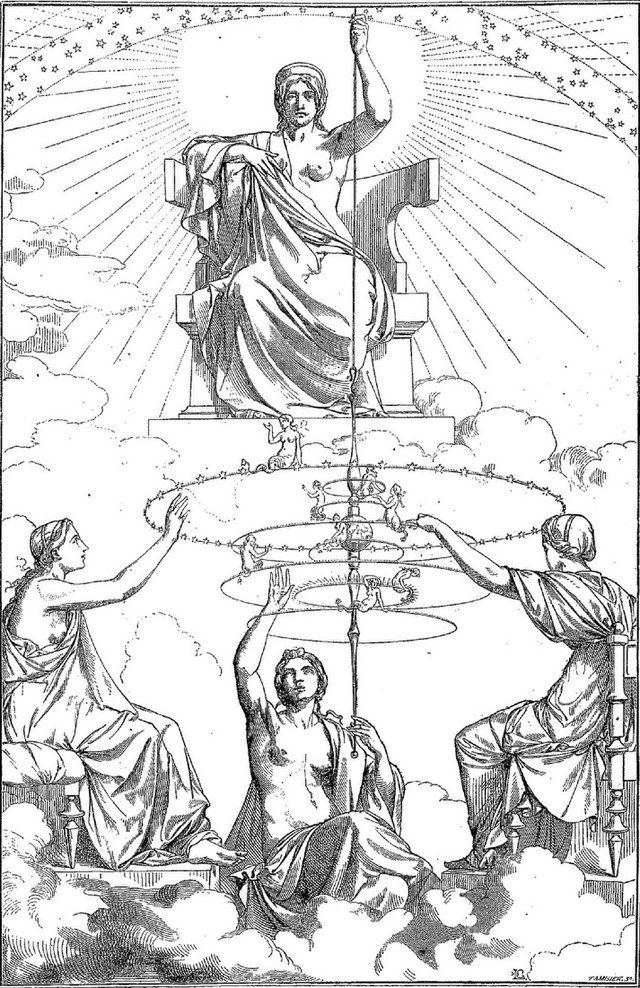
In Roman mythology, the concept of necessitas plays a significant role in understanding how the ancient Romans viewed fate and the natural order of the universe. Necessitas is often translated as “necessity,” but it encompasses a broader range of meanings that relate to destiny, inevitability, and the constraints of the natural world. This idea is closely linked to the Roman understanding of fate (Fatum) and the divine forces that govern human lives. Romans believed that certain events were predetermined and that individuals had limited control over their fates. The idea of necessitas reflects the belief that some things are simply meant to be, and this belief shaped many aspects of Roman life, including their literature, philosophy, and religion.
The Concept of Necessitas in Roman Thought
In Roman philosophy, necessitas was often associated with the idea of inevitability. The Stoics, in particular, emphasized the importance of understanding the world as governed by a rational order. They believed that everything happens for a reason and that events unfold according to a divine plan. This idea of a rational universe influenced how Romans approached their lives and decisions. They often accepted hardships and challenges as part of the greater order of the cosmos. The acceptance of necessitas allowed Romans to find peace in the face of adversity, as they believed that everything was part of a larger, meaningful design.
 Neptune
Moreover, necessitas was not just a passive acceptance of fate; it was also a call to action. Romans believed that while some events were predetermined, individuals still had the power to respond to these circumstances. This duality of accepting fate while actively engaging with it is a recurring theme in Roman literature and philosophy. Writers like Seneca and Marcus Aurelius often explored the tension between necessity and free will, urging their readers to find strength in accepting what cannot be changed while striving to improve their circumstances.
Necessitas and Roman Religion
In the realm of Roman religion, necessitas was deeply intertwined with the worship of the gods. Romans believed that the gods had a significant influence over the course of human events. The concept of necessitas often appeared in religious rituals and practices, where individuals sought to align themselves with divine will. Augury, the practice of interpreting omens, was a way for Romans to understand the will of the gods and, by extension, the necessitas of their lives. By observing the behavior of birds and other signs, they believed they could gain insight into the future and make informed decisions.
Additionally, the Romans personified necessitas as a deity. This personification was a way to acknowledge the power of necessity in their lives. The goddess Necessitas was often depicted as a stern figure, reminding individuals of the limits imposed by fate. She represented the idea that certain events were beyond human control and that acceptance of these limitations was essential for a harmonious life. This portrayal of Necessitas highlights the reverence Romans had for the forces that shaped their existence.
 Nona
NonaLiterary Representations of Necessitas
Roman literature is rich with examples that explore the theme of necessitas. Poets like Virgil and Ovid often incorporated the idea of fate into their works, illustrating how characters grappled with the forces of necessity. In Virgil’s epic poem, the Aeneid, the protagonist Aeneas faces numerous challenges as he fulfills his destiny to found Rome. The concept of necessitas is evident in his journey, as he encounters obstacles that test his resolve. Yet, throughout his trials, Aeneas embodies the idea of accepting fate while striving to fulfill his divine mission.
Ovid, in his Metamorphoses, also explores the theme of necessity through the transformations of various characters. The stories often highlight how individuals are caught in the web of fate, leading to unexpected and sometimes tragic outcomes. These literary representations serve to illustrate the complexities of human experience in the face of necessitas, emphasizing that while fate may be inevitable, the human response to it is what shapes one’s character and legacy.
Necessitas and Personal Responsibility
Despite the strong emphasis on fate and necessity in Roman thought, there was also a significant focus on personal responsibility. Romans believed that individuals had a duty to act morally and ethically, regardless of the circumstances dictated by necessitas. This belief is evident in the writings of philosophers like Cicero, who argued that even within the constraints of fate, individuals must strive to make virtuous choices. The interplay between necessity and personal agency is a central theme in Roman philosophy, as it encourages individuals to take responsibility for their actions while acknowledging the limits imposed by the universe.
 Nymphs-
This perspective on personal responsibility is particularly important in understanding Roman values. Romans placed great emphasis on the concept of virtus, which encompasses courage, honor, and moral integrity. Even when faced with inevitable outcomes, individuals were expected to uphold their virtues and act in accordance with their principles. This commitment to personal responsibility, even in the face of necessitas, is what distinguished Roman culture and contributed to its enduring legacy.
Modern Interpretations of Necessitas
The concept of necessitas continues to resonate in modern discussions about fate, free will, and the nature of existence. Contemporary philosophers and writers often draw on Roman ideas to explore how individuals navigate the complexities of life. The tension between accepting the things we cannot change and taking proactive steps to shape our destinies is a theme that remains relevant today. Many modern thinkers echo the sentiments of Roman philosophers, emphasizing the importance of finding balance between accepting fate and exercising personal agency.
In literature and popular culture, the themes of necessitas are often explored through characters who face insurmountable odds. These narratives resonate with audiences as they reflect the universal struggle to find meaning and purpose in a world that often feels chaotic and unpredictable. Whether in film, literature, or philosophy, the idea of necessitas serves as a reminder that while we may not control everything in our lives, our responses to those circumstances define who we are.
The Legacy of Necessitas in Roman Culture
The legacy of necessitas is evident in various aspects of Roman culture, from literature and philosophy to religion and daily life. The Romans’ acceptance of fate and necessity shaped their worldview and influenced their approach to governance, social relations, and personal conduct. This acceptance fostered a sense of resilience among the Roman people, enabling them to endure hardships and challenges with grace and dignity. The idea of necessitas continues to be a subject of study for historians and scholars, who seek to understand its impact on Roman society and its relevance to contemporary discussions about fate and free will.
Furthermore, the integration of necessitas into Roman legal and political systems illustrates its profound influence. Roman law, for instance, often reflected the belief in the necessity of order and structure in society. The idea that certain actions were necessary for the functioning of the state reinforced the importance of civic duty and responsibility among citizens. This connection between necessitas and law underscores the Romans’ commitment to maintaining a harmonious society, where individuals recognized their roles and responsibilities within a larger framework.
Conclusion: The Enduring Relevance of Necessitas
As we explore the multifaceted concept of necessitas in Roman mythology, we gain insight into the values and beliefs that shaped one of history’s most influential civilizations. The interplay between fate, personal responsibility, and the acceptance of necessity continues to resonate in our lives today. Whether in our personal struggles or societal challenges, the lessons of necessitas remind us of the importance of resilience, moral integrity, and the pursuit of meaning in an ever-changing world. Understanding necessitas not only enriches our knowledge of Roman mythology but also provides valuable perspectives on the human experience across time and cultures.