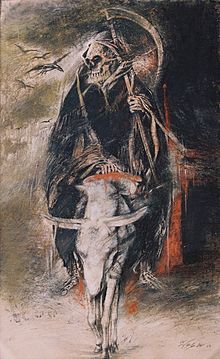
In Roman mythology, Mors is the personification of death. He is often depicted as a dark figure, embodying the inevitable end that comes to all living beings. Mors is comparable to the Greek god Thanatos, who represents the same concept in Greek mythology. While not as prominently featured as other deities, Mors plays a crucial role in the understanding of life and death in Roman culture. His presence is a reminder of the transience of life and the importance of accepting mortality.
The Role of Mors in Roman Beliefs
Mors holds a significant place in Roman beliefs surrounding death and the afterlife. The Romans had a deep respect for their ancestors and often performed rituals to honor them. Mors was seen as a necessary part of this cycle, as he was responsible for guiding souls to the afterlife. The Romans believed that after death, the soul would travel to the Underworld, where Mors would be waiting to take them on their final journey.
 Morta
MortaIn Roman culture, death was not viewed solely as an end but as a transition to another state of being. Mors, as the personification of death, was thus respected and feared. His role was not only to take lives but also to ensure that souls reached their destined place in the Underworld. This duality made Mors a complex figure, one that the Romans grappled with in their understanding of existence.
Rituals and Practices Associated with Mors
The Romans engaged in various rituals to appease Mors and ensure a smooth transition for the deceased. These rituals included funerary rites, which were essential in honoring the dead. Families would hold elaborate ceremonies, complete with offerings and prayers, to guide the soul safely to the Underworld. The belief was that if these rituals were not performed correctly, the soul might become restless or wander the earth.
- Funeral Processions: These were grand events, often involving music, flowers, and the presence of mourners. The procession would lead to the burial site, where the body was interred.
- Offerings to the Dead: Romans would leave food, wine, and other items at the graves of their loved ones to sustain them in the afterlife.
- Prayers and Invocations: Specific prayers were recited to Mors and other deities to ensure the deceased’s safe passage.
These practices reflect the Romans’ understanding of Mors as an integral part of life and death. They believed that by honoring Mors, they could ensure the peace and comfort of their departed loved ones. This reverence for Mors underscores the importance of acknowledging death as a natural part of existence.
 Vulcan
Mors and the Underworld
The Underworld, known as Orcus in Roman mythology, was a place where souls resided after death. Mors was often depicted as the gatekeeper of this realm, responsible for ushering souls into their eternal resting place. The Underworld was not a place of punishment, but rather a shadowy realm where the deceased continued their existence in a different form.
In Roman literature, Mors is sometimes described as having a close relationship with Proserpina, the queen of the Underworld. Together, they managed the souls of the deceased, ensuring that they were treated according to their deeds in life. This partnership highlights the interconnectedness of life and death in Roman thought, as well as the belief that one’s actions during their lifetime directly influenced their experience in the afterlife.
 Necessitas
The Journey of the Soul
The journey of the soul after death was a significant theme in Roman mythology. According to their beliefs, upon dying, a person’s soul would be met by Mors, who would then guide them to the Underworld. This journey was often depicted as fraught with challenges, requiring the soul to cross rivers and navigate dark paths. The River Styx, for instance, was a crucial barrier that souls had to cross, and it was Mors’s duty to ensure they reached the other side safely.
- Charon: The ferryman of the Underworld, Charon, would transport souls across the River Styx. Mors often worked in conjunction with Charon, as both were essential in the process of death.
- Judgment: Once in the Underworld, souls would be judged based on their earthly actions. Mors would ensure that each soul received its due, whether that be eternal rest or punishment.
- Rebirth and Transformation: Some beliefs included the idea of rebirth, where souls could return to the world in another form, influenced by their previous lives.
This journey symbolizes the Romans’ understanding of mortality and the afterlife. Mors was not just a figure of fear; he was a guide, helping souls navigate the complex realities of existence beyond death. This dual role emphasizes the significance of Mors in the greater narrative of life and the afterlife.
Symbolism of Mors
Mors is rich in symbolism, representing not only death but also the inevitability of mortality. His imagery often includes dark colors, such as black and deep red, which evoke feelings of sorrow and loss. Additionally, Mors is frequently depicted with a sickle or a scythe, tools that signify the harvesting of souls. This agricultural imagery reinforces the idea of life cycles, where death is a natural part of the process.
Furthermore, Mors’s symbolism extends to the concept of time. The passage of time is relentless, and just as crops must be harvested, so too must life come to an end. This cyclical nature of existence is a theme that resonates deeply within Roman culture, reminding individuals to cherish their time on earth while recognizing that death is an unavoidable reality.
Comparisons with Other Mythologies
When examining Mors, it is essential to draw comparisons with other mythological figures who embody similar themes. In Greek mythology, Thanatos serves as the personification of death, much like Mors. Both figures share similarities in their roles as guides for souls transitioning to the afterlife. However, while Thanatos is often depicted as a more gentle figure, Mors is portrayed with a more somber and serious demeanor.
- Thanatos (Greek): Unlike Mors, Thanatos is sometimes shown as a winged spirit, highlighting a different cultural perception of death.
- Yama (Hindu): In Hindu mythology, Yama is the god of death and the underworld. Like Mors, he guides souls but also has a more punitive role, judging their actions in life.
- Osiris (Egyptian): Osiris is another figure associated with death and resurrection. Unlike Mors, Osiris embodies the hope of rebirth and eternal life.
These comparisons illustrate the various ways cultures interpret and personify death. While Mors embodies the solemnity of mortality, other figures may emphasize different aspects, such as rebirth or judgment. Understanding these differences enriches our appreciation of how societies grapple with the concept of death.
Mors in Literature and Art
The figure of Mors has inspired numerous works of literature and art throughout history. In Roman literature, poets and writers often referenced Mors to evoke themes of loss, mortality, and the afterlife. His presence serves as a reminder of the fragility of life and the inevitability of death. Many works explore the emotional weight of loss and the impact of Mors on the lives of those left behind.
Artistic representations of Mors have also flourished over the centuries. From ancient sculptures to medieval paintings, artists have depicted him in various forms, often emphasizing his somber nature. These artworks serve to remind viewers of the transient nature of existence and the importance of cherishing each moment. Through visual storytelling, Mors becomes a symbol of both fear and acceptance, urging individuals to confront their mortality.
Modern Interpretations of Mors
In contemporary society, the figure of Mors continues to resonate. Modern interpretations often reflect the complexities of death in today’s world. Literature, film, and art frequently explore themes of loss, grief, and the acceptance of mortality, drawing inspiration from Mors’s character. This enduring relevance speaks to the universal human experience of confronting death and the emotions that accompany it.
- Literature: Many authors have incorporated the themes surrounding Mors into their works, exploring the emotional impact of death on individuals and families.
- Film: Movies often depict death in various forms, with characters facing Mors or similar figures as they navigate their own mortality.
- Art: Contemporary artists use Mors as a symbol to explore themes of grief and remembrance, creating pieces that provoke thought and reflection.
These modern interpretations highlight the timeless nature of Mors as a symbol of death. As society continues to grapple with the complexities of mortality, Mors remains a relevant figure, prompting reflection on the meaning of life and the inevitability of death.
Mors, as the personification of death in Roman mythology, embodies the complex relationship between life and mortality. His role as a guide for souls to the Underworld reflects the Romans’ understanding of the afterlife and the importance of honoring the deceased. Through rituals, symbolism, and artistic representations, Mors serves as a reminder of the transient nature of existence. As cultures evolve, the themes associated with Mors continue to resonate, prompting individuals to confront their mortality and cherish the moments they have.