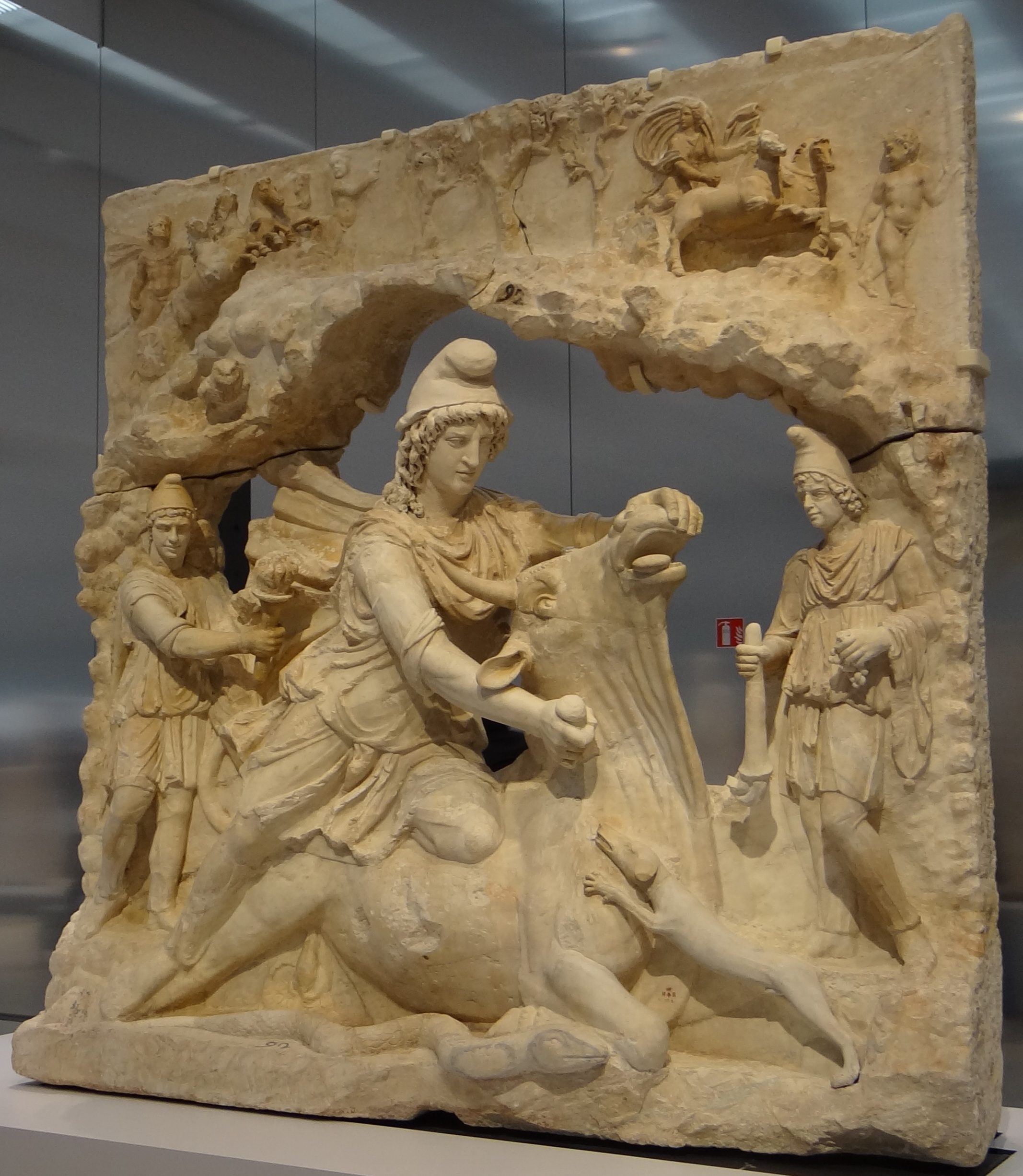
Mithras is a significant figure in Roman mythology, known primarily for his association with the sun and light. The cult of Mithras emerged in the Roman Empire around the first century AD and gained popularity among soldiers and merchants. Mithras is often depicted as a young man slaying a bull, a scene that is central to the mysteries surrounding his worship. This act, known as the Mithraic bull-slaying, symbolizes the victory of light over darkness and has deep spiritual meanings for followers. The Mithraic mysteries were characterized by secretive rituals and a strong sense of community among its initiates.
The Origins of Mithras
The origins of Mithras can be traced back to ancient Persia, where he was known as a god of light and truth. In the Persian tradition, Mithras was associated with the sun and was believed to be a protector of the cosmic order. As the Roman Empire expanded, they encountered various Eastern religions, including that of Mithras. The Romans adapted many aspects of this deity and integrated them into their own religious practices. This blending of cultures allowed Mithras to flourish in Roman society, where he was worshipped alongside traditional Roman gods.
 Mors
MorsIn the Roman context, Mithras was often seen as a mediator between humanity and the divine. He was believed to have been born from a rock, a miraculous birth that symbolized his connection to the earth and the heavens. This narrative resonated with many Romans who were seeking a more personal and direct connection to the divine. The Mithraic mysteries emphasized personal salvation and the promise of eternal life, which were appealing to individuals in a society that was becoming increasingly complex and tumultuous.
The Mithraic Mysteries
The Mithraic mysteries were a set of secretive rituals that were conducted in underground temples known as mithraea. These temples were often located in hidden or secluded areas, creating an atmosphere of exclusivity and secrecy. The rituals were typically performed by a group of male initiates who shared a bond of brotherhood. The initiation process was rigorous and involved several stages, each with its own set of rituals and teachings. The aim of these mysteries was to bring the initiates closer to Mithras and to impart spiritual knowledge.
 Morta
MortaOne of the central rituals in the Mithraic mysteries was the banquet, which symbolized the communion between the initiates and Mithras. During these gatherings, followers would share a meal, which often included bread and wine, symbolizing the body and blood of Mithras. This practice is reminiscent of other religious traditions, such as Christianity, highlighting the common themes of sacrifice and communion in ancient religions. The banquets served to reinforce the bonds among the initiates and to create a sense of community and shared purpose.
Key Beliefs in Mithraism
- Duality of Light and Darkness: Followers believed in the eternal struggle between light and darkness, with Mithras representing light.
- Salvation: Mithraism offered the promise of salvation and eternal life to its adherents.
- Initiation: The process of initiation was crucial, involving several levels of knowledge and experience.
- Brotherhood: A strong sense of community and brotherhood was emphasized among followers.
Another important belief in Mithraism was the concept of rebirth. Initiates believed that through their participation in the mysteries, they could experience a spiritual rebirth, akin to the resurrection. This idea was appealing to many who sought a sense of renewal in their lives. The rituals often included symbolic acts that represented death and rebirth, reinforcing the notion that followers could transcend the physical world and achieve a higher state of existence.
The Iconography of Mithras
The iconography associated with Mithras is rich and varied, featuring several key symbols that are essential to understanding the cult. The most famous depiction is that of Mithras slaying the bull, known as the tauroctony. This scene is often found in mithraea and serves as a central image in Mithraic art. The act of slaying the bull is symbolic of the triumph of light over darkness and the nourishment of the earth through the blood of the bull.
 Vulcan
In addition to the tauroctony, Mithras is often depicted alongside various animals, such as dogs and snakes, which have specific symbolic meanings within the cult. The dog is often seen as a companion and protector, while the snake represents rebirth and transformation. Other symbols include the sun and moon, which highlight Mithras’s connection to celestial bodies and his role as a sun god. These images served not only as artistic representations but also as powerful symbols that conveyed the beliefs and values of Mithraism.
The Spread of Mithraism
Mithraism spread rapidly throughout the Roman Empire, particularly among soldiers and traders. The cult’s emphasis on loyalty, brotherhood, and shared rituals resonated with the military community, making it particularly popular among Roman legions. Mithraic temples were established in many regions, from Britain to the eastern provinces of the Empire. This widespread adoption of Mithraism reflects the desire for spiritual connection and community in an increasingly diverse and expansive society.
The cult of Mithras also flourished in urban centers, where merchants and businesspeople sought the protection and favor of the god. The rituals and beliefs of Mithraism provided a sense of stability and reassurance in a rapidly changing world. As the Roman Empire expanded, Mithras became a unifying figure for people from various backgrounds, allowing them to find common ground through shared beliefs and practices.
Locations of Mithraic Temples
- Rome: The heart of the Empire, where many mithraea were discovered.
- London: A significant site with a well-preserved mithraeum.
- Ostia: The ancient port city of Rome, home to several Mithraic temples.
- Pompeii: Archaeological findings indicate the presence of Mithraic worship in this famous city.
Archaeological discoveries have revealed many mithraea across Europe and the Mediterranean. Each site often features unique architectural designs and artistic elements, reflecting local influences while maintaining core Mithraic themes. The discovery of these temples has provided invaluable insights into the rituals and practices of Mithraism, revealing how the cult adapted to different cultural contexts while retaining its essential beliefs.
The Decline of Mithraism
Additionally, the Roman Empire underwent significant changes during this period, including political upheaval and the eventual establishment of Christianity as the state religion. These transformations further marginalized Mithraism, as the once-popular cult struggled to maintain its relevance in a changing religious landscape. By the end of the fourth century, Mithraism had largely faded from public consciousness, leaving behind only traces in historical texts and archaeological remains.
Legacy of Mithras
- Influence on Christianity: Some scholars argue that Mithraism influenced early Christian practices and beliefs.
- Archaeological Discoveries: The remnants of mithraea provide valuable insights into Roman religious practices.
- Modern Interest: The study of Mithras has gained traction in modern scholarship, revealing new interpretations.
Despite its decline, the legacy of Mithras endures in various ways. Some scholars suggest that elements of Mithraism may have influenced early Christian rituals, particularly those related to the Eucharist and the concept of resurrection. The symbolism of light and rebirth found in Mithraism can be seen echoed in Christian teachings. Additionally, the archaeological discoveries of mithraea and related artifacts have sparked interest among historians and archaeologists, leading to renewed scholarly attention on this fascinating aspect of Roman religious life.
Modern Interpretations of Mithras
In contemporary times, Mithras has captured the imagination of scholars, artists, and enthusiasts alike. The study of Mithraism has become a rich field of inquiry, with researchers exploring its origins, practices, and influence on other religious traditions. This renewed interest has led to a deeper understanding of the complexities of ancient Roman religion and the ways in which different faiths interacted and evolved over time.
Modern interpretations of Mithras often focus on the themes of light, rebirth, and brotherhood. These concepts resonate with contemporary spiritual seekers who seek a connection to the divine and a sense of community. The imagery associated with Mithras, particularly the bull-slaying scene, has inspired artists and writers, leading to new creative expressions that draw on the rich symbolism of the cult. Through art, literature, and scholarship, Mithras continues to be a source of inspiration and reflection.
Mithras in Popular Culture
Mithras has also made appearances in popular culture, from literature to film. The character of Mithras often embodies themes of heroism, sacrifice, and the eternal struggle between good and evil. This portrayal aligns with the original attributes of Mithras as a sun god and a protector of humanity. Modern adaptations may take creative liberties, but they often retain the core elements of Mithras’s mythology, showcasing the enduring appeal of this ancient figure.
In addition to literature and film, Mithras has been referenced in various forms of art and music. Artists have drawn inspiration from the striking imagery of Mithras, creating works that evoke the mystery and power of this ancient deity. The themes of light and darkness, as well as the symbolism of the bull, continue to resonate with contemporary audiences, allowing Mithras to transcend time and remain relevant in modern discourse.
Examples in Popular Culture
- Literature: References to Mithras can be found in various novels and historical texts.
- Film: Movies often depict Mithras as a symbol of ancient wisdom and power.
- Art: Modern artists reinterpret Mithraic symbols in their works.
The revival of interest in ancient religions, including Mithraism, has also led to the emergence of various spiritual movements that seek to reconnect with the beliefs and practices of the past. These movements often draw inspiration from Mithras’s teachings on community, sacrifice, and the search for enlightenment. While these contemporary interpretations may differ from the original practices of Mithraism, they reflect a broader desire for spiritual exploration and understanding in the modern world.
The Study of Mithraism Today
The study of Mithraism has evolved significantly over the years, with scholars employing various methodologies to uncover the mysteries surrounding this ancient cult. Archaeological excavations continue to yield new findings, shedding light on the rituals, beliefs, and daily lives of Mithraic followers. The integration of modern technologies, such as digital modeling and analysis, has enhanced our understanding of mithraea and their significance within the broader context of Roman religion.
Scholars also engage in interdisciplinary research, drawing from fields such as anthropology, religious studies, and history to provide a comprehensive understanding of Mithraism. This collaborative approach allows for a more nuanced exploration of the cult’s complexities and its interactions with other religious traditions in the Roman Empire. As new discoveries emerge and perspectives shift, the study of Mithraism remains a dynamic and evolving field.
Future Directions in Mithraic Studies
- Interdisciplinary Approaches: Combining insights from various fields for a holistic understanding.
- Technological Advancements: Utilizing technology to analyze and visualize archaeological sites.
- Global Perspectives: Examining Mithraism within the broader context of ancient religions worldwide.
As interest in ancient religions continues to grow, the study of Mithraism is likely to flourish. New generations of scholars are increasingly drawn to the complexities of this ancient cult, seeking to unravel its mysteries and explore its significance in the broader tapestry of Roman history. With each new discovery, our understanding of Mithras and the beliefs surrounding him becomes richer, offering insights into the spiritual lives of those who lived in the Roman Empire.