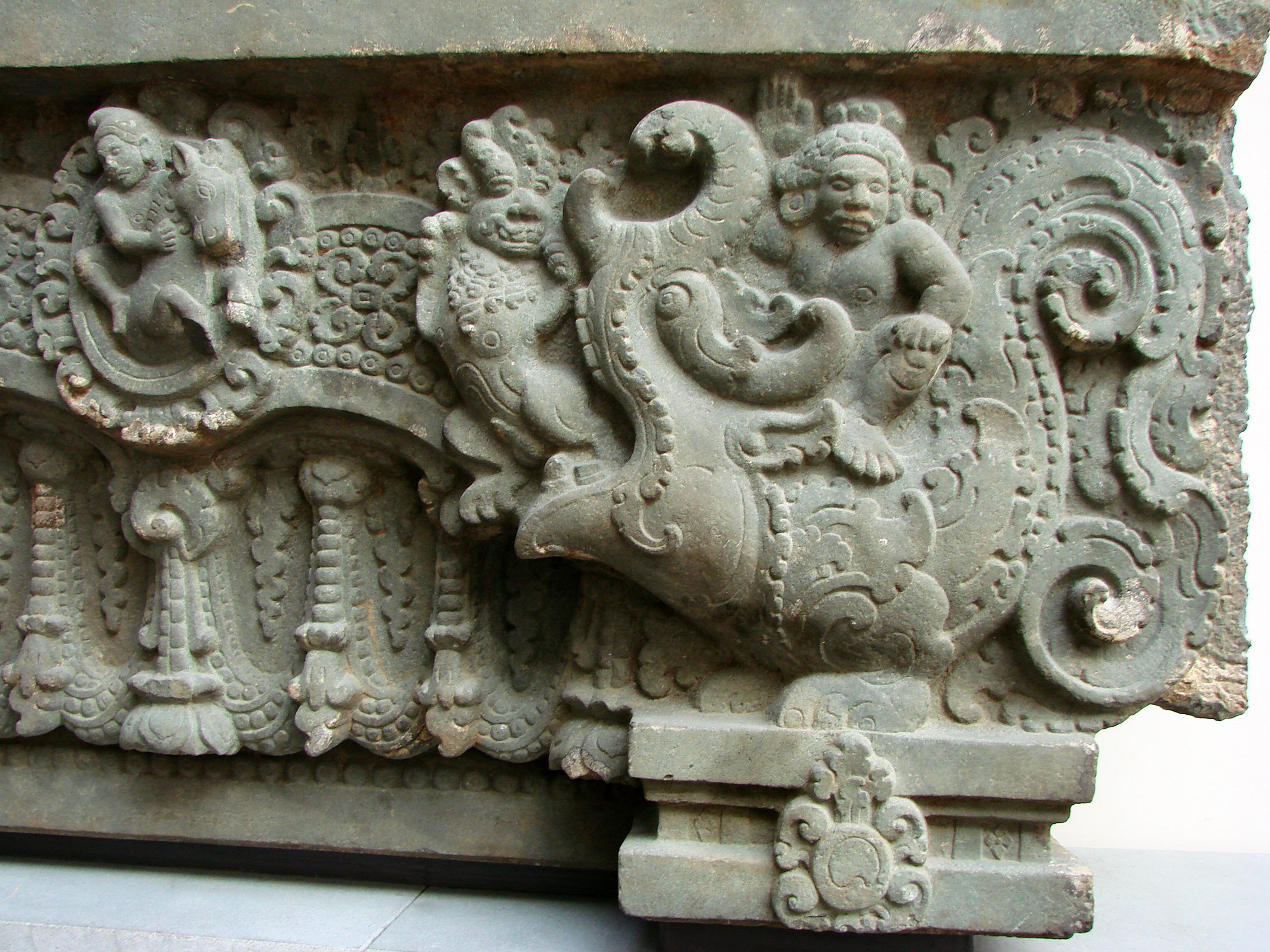
The Maruts are a fascinating group of deities in Hindu mythology. They are often depicted as storm gods and are associated with the forces of nature, particularly wind and storms. The Maruts are considered the sons of Rudra, who is a fierce aspect of Shiva. In various texts, they are described as a troop of gods who travel together and are known for their strength and power. The Maruts play a significant role in the Rigveda, one of the oldest sacred texts of Hinduism, where they are frequently invoked in hymns and rituals.
The Origin of the Maruts
The origin of the Maruts is shrouded in mystery and myth. According to Hindu texts, they are born from the union of Rudra and Aditi, the mother of the gods. This divine lineage gives them their immense power and strength. The Maruts are often depicted as youthful and energetic, symbolizing the vibrant and dynamic aspects of nature. Their birth is said to be accompanied by thunder and lightning, showcasing their connection to storms and the natural world.
 Marichi
In many accounts, the Maruts are described as having a unique appearance. They are often portrayed as young warriors, adorned with golden armor and wielding weapons. Their bodies are said to be surrounded by a golden aura, which represents their divine nature. The imagery associated with the Maruts emphasizes their role as protectors and forces of nature. This visual representation has been a significant aspect of their worship and cultural significance.
The Role of the Maruts in Hindu Rituals
The Maruts hold a crucial place in various Hindu rituals and ceremonies. They are frequently invoked during Yajnas, which are fire sacrifices performed to please the gods. In these rituals, the Maruts are called upon to bring rain, prosperity, and protection. Their association with storms makes them essential for agricultural communities that rely on rain for their crops. By invoking the Maruts, devotees seek their blessings for a bountiful harvest and overall well-being.
 Manu
ManuIn the Rigveda, there are numerous hymns dedicated to the Maruts, where their attributes and powers are celebrated. These hymns often describe their fierce nature and their ability to bring about change in the natural world. The Maruts are seen as agents of transformation, capable of unleashing storms and rejuvenating the earth. Their presence in rituals underscores the importance of nature in Hindu spirituality and the need for harmony between humans and the environment.
The Maruts and Their Connection to Nature
The Maruts are deeply connected to the elements of nature, particularly the wind and storms. They are often depicted riding in chariots pulled by deer or other swift animals, symbolizing their speed and agility. This imagery reinforces their role as forces of nature that can traverse great distances in the blink of an eye. The Maruts are believed to control the winds and bring rain, making them essential for the cycle of life.
In addition to their role as storm gods, the Maruts are also associated with lightning and thunder. Their arrival is often heralded by the sound of thunder, which is considered a sign of their power. This connection to thunder and lightning further emphasizes their role as protectors of the natural world. In many cultures, thunder is seen as a divine message, and the Maruts embody this idea in Hindu mythology.
 Mânasâ-putras
The Maruts in Art and Literature
The Maruts have been depicted in various forms of art and literature throughout history. In ancient sculptures and paintings, they are often shown as dynamic figures, full of energy and movement. Their representations in art serve to capture their essence as powerful deities who influence the natural world. This artistic portrayal has helped keep the stories and significance of the Maruts alive in the cultural consciousness.
Literature, especially ancient texts like the Mahabharata and Ramayana, also reference the Maruts and their deeds. These epics often highlight their bravery and strength in battles against demons and other adversaries. The Maruts are portrayed as loyal companions to other deities, assisting them in their quests and protecting the cosmos from evil forces. Their stories contribute to the rich tapestry of Hindu mythology, showcasing the interplay between gods and the natural elements.
The Maruts in Modern Hinduism
In modern Hinduism, the Maruts continue to be revered and respected. While their worship may not be as prominent as that of other deities like Vishnu or Shiva, they still hold a special place in the hearts of devotees. Many people invoke the Maruts during rituals related to rain and agriculture, seeking their blessings for a good harvest. Their connection to nature resonates with contemporary concerns about environmental sustainability and the need to respect the earth.
Festivals and celebrations that honor the Maruts often emphasize the importance of rain and the changing seasons. These events serve as reminders of the vital role that nature plays in human life. By acknowledging the Maruts, devotees express gratitude for the gifts of nature and seek to live in harmony with the environment. This connection to the Maruts reflects a broader understanding of the interdependence between humanity and the natural world.
The Maruts are a significant aspect of Hindu mythology, embodying the dynamic forces of nature. Their stories, attributes, and connections to rituals highlight the importance of nature in Hindu spirituality. Through their representations in art and literature, the Maruts continue to inspire reverence and respect among modern Hindus. By invoking the Maruts, devotees seek to honor the power of nature and cultivate a deeper connection to the world around them.