
Kinich Ahau is a significant deity in Maya mythology, revered as the sun god. He is often depicted as a powerful figure who embodies the sun’s vitality and warmth. The Maya civilization, known for its advanced understanding of astronomy, celebrated Kinich Ahau for his role in sustaining life and agriculture. His presence was believed to be essential for the growth of crops, and thus he held an important place in the daily lives of the Maya people. Kinich Ahau is often associated with various aspects of life, including fertility, health, and prosperity, making him a central figure in their religious practices.
Origins and Significance of Kinich Ahau
The origins of Kinich Ahau can be traced back to the ancient beliefs of the Maya civilization. As a sun god, he was often linked to the cycles of nature and the agricultural calendar. The Maya believed that the sun provided the necessary light and warmth for their crops to thrive. Thus, Kinich Ahau was not only a celestial being but also a vital force in their daily existence. His significance extended beyond mere agricultural importance; he was seen as a symbol of life and renewal, representing the constant cycle of day and night.
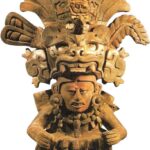 Ah Hulneb
In Maya mythology, Kinich Ahau is often depicted as a young man with a prominent, radiant face, symbolizing the sun at its zenith. His representation can vary, but he is frequently illustrated with jaguar features, emphasizing his power and connection to the earth. The jaguar is an important creature in Maya culture, often associated with strength and the underworld. Kinich Ahau’s dual nature as a sun god and a jaguar signifies his role as a protector of the people, guiding them through both light and darkness.
Kinich Ahau in Maya Art and Iconography
The representation of Kinich Ahau in Maya art is both rich and varied. He is often portrayed in murals, pottery, and stone carvings. His images frequently include symbols of the sun, such as rays emanating from his face or a sun disk above his head. These artistic depictions not only highlight his importance but also serve as a form of worship and reverence. The Maya used art to convey their beliefs, and Kinich Ahau’s imagery played a crucial role in their religious expression.
In many artworks, Kinich Ahau is shown accompanied by other deities, emphasizing his role within the broader pantheon of Maya gods. For example, he is sometimes depicted alongside gods of agriculture, illustrating the interconnectedness of their roles in sustaining life. These artistic representations often include vibrant colors and intricate designs, showcasing the skill and creativity of the Maya artists. The use of symbolism in these artworks provides insight into the complex beliefs surrounding Kinich Ahau and the importance of the sun in Maya cosmology.
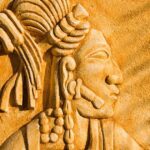 Ah Cuxtal
Symbolism in Kinich Ahau’s Depictions
- Sun Rays: Representing warmth and vitality.
- Jaguar Features: Signifying strength and protection.
- Sun Disk: Illustrating his dominion over the sun.
- Floral Elements: Connecting him to fertility and growth.
The symbols associated with Kinich Ahau serve to reinforce his significance in the Maya worldview. The sun rays symbolize not only the physical light but also the enlightenment and knowledge that the sun brings. The jaguar features further enhance his image as a powerful protector, while the sun disk is a direct representation of his authority over the celestial body that sustains life. Floral elements often accompany his depictions, linking him to the earth’s fertility and the agricultural abundance that the Maya depended upon.
Kinich Ahau and Maya Rituals
The worship of Kinich Ahau was an integral part of Maya religious practices. Various rituals were conducted to honor him, especially during important agricultural cycles. The Maya believed that by performing these rituals, they could ensure a bountiful harvest and seek his favor for their crops. Offerings were often made, including food, flowers, and incense, to appease the sun god and express gratitude for his blessings.
One of the most significant rituals dedicated to Kinich Ahau was the New Fire Ceremony. This ceremony marked the beginning of a new cycle in the Maya calendar and was seen as a time for renewal. The Maya would gather at temples to light a new fire, symbolizing the sun’s rebirth. This ritual not only honored Kinich Ahau but also reinforced the community’s connection to their agricultural practices and the natural world.
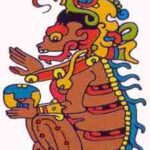 Ah Puch
Types of Rituals
- New Fire Ceremony: A ritual marking renewal and the beginning of a new cycle.
- Harvest Festivals: Celebrations to thank Kinich Ahau for a bountiful harvest.
- Offerings: Food, flowers, and incense given to honor the sun god.
Harvest festivals were another important aspect of the rituals dedicated to Kinich Ahau. These celebrations took place at the end of the growing season, and the community would come together to give thanks for the crops that had been harvested. It was a time of joy and gratitude, reflecting the deep connection the Maya had with the land and the sun. Offerings were made to Kinich Ahau during these festivals, reinforcing the belief that his blessings were essential for their survival and prosperity.
Kinich Ahau in Mythological Stories
In addition to being a central figure in rituals, Kinich Ahau also appears in various mythological stories that illustrate his significance in the Maya pantheon. These stories often convey moral lessons and explain natural phenomena, reinforcing the connection between the divine and the earthly realm. One popular tale involves his journey across the sky, where he battles the forces of darkness to bring light to the world.
In some versions of the myths, Kinich Ahau is depicted as a heroic figure who descends to earth to assist humanity. He is believed to have taught the Maya people essential skills, such as agriculture and the arts. These stories highlight his role not only as a sun god but also as a cultural hero who contributed to the advancement of Maya civilization. His teachings and guidance were seen as gifts that helped shape the community and their way of life.
Key Myths Involving Kinich Ahau
- Journey Across the Sky: A tale of his battle against darkness.
- Gift of Agriculture: Teaching the Maya essential farming techniques.
- Creation Stories: His involvement in the formation of the world.
Kinich Ahau’s involvement in creation stories is another aspect of his mythological significance. In these narratives, he is often portrayed as a creator god who played a role in the formation of the earth and its inhabitants. His presence in these stories reinforces the idea that the sun is a fundamental source of life, and without it, existence would be impossible. Through these myths, the Maya expressed their understanding of the natural world and their place within it, with Kinich Ahau at the center of their cosmology.
The Legacy of Kinich Ahau
The legacy of Kinich Ahau continues to resonate in modern times, as many descendants of the Maya still honor their ancient beliefs. The reverence for the sun and its vital role in agriculture remains a significant aspect of their culture. Festivals and rituals that celebrate the sun are still practiced, demonstrating the enduring connection to Kinich Ahau. This continuity of tradition highlights the importance of cultural heritage and the ways in which ancient beliefs can influence contemporary life.
Archaeological discoveries have also shed light on the importance of Kinich Ahau in ancient Maya society. Temples dedicated to the sun god have been found throughout the region, serving as reminders of the devotion and reverence the Maya had for him. These sites often feature elaborate carvings and inscriptions that tell stories of Kinich Ahau, further emphasizing his significance in their mythology. The study of these artifacts provides valuable insights into the beliefs and practices of the Maya civilization.
Modern Celebrations and Practices
- Sun Festivals: Contemporary celebrations honoring the sun.
- Traditional Agriculture: Practices that reflect ancient beliefs about Kinich Ahau.
- Cultural Preservation: Efforts to maintain Maya heritage and mythology.
Today, sun festivals are celebrated in various forms, where communities come together to honor the sun and its life-giving properties. These modern celebrations often incorporate traditional music, dance, and rituals that have been passed down through generations. Additionally, traditional agricultural practices that align with the cycles of the sun reflect the enduring influence of Kinich Ahau in the daily lives of the Maya people. These practices serve as a reminder of the deep connection between the land, the sun, and the culture of the Maya.
Efforts to preserve Maya heritage and mythology are also ongoing, as communities strive to maintain their cultural identity in a rapidly changing world. Educational programs and cultural events aim to educate younger generations about the importance of Kinich Ahau and other aspects of their mythology. By fostering a sense of pride in their history, the Maya people continue to honor their ancestors and the beliefs that have shaped their civilization for centuries.