
The Sámi people, an indigenous group inhabiting the northern regions of Norway, Sweden, Finland, and Russia, have a rich tapestry of mythology and folklore. One of the intriguing figures in Sámi mythology is Leib-olmai, a god associated with the underworld and the dead. Leib-olmai, often referred to as the Lord of the Dead, plays a significant role in the beliefs and rituals surrounding death and the afterlife within Sámi culture. Understanding Leib-olmai requires delving into the broader context of Sámi mythology, their views on death, and the rituals that accompany it.
Origins and Characteristics of Leib-olmai
Leib-olmai is believed to have originated from ancient Sámi beliefs, where the connection between life and death was deeply intertwined with nature. He is often depicted as a mysterious figure, embodying the duality of life and death. The Sámi people view him as both a protector and a guide for the souls of the deceased. His character reflects the complexity of Sámi spirituality, where the natural world and the spiritual realm are closely linked.
 Kul
KulIn Sámi mythology, Leib-olmai is often associated with the underworld, a place where souls go after death. This underworld is not portrayed as a place of punishment but rather as a realm of rest and transformation. Leib-olmai is seen as a benevolent figure who ensures that souls transition smoothly from the earthly realm to the afterlife. His role emphasizes the Sámi belief in the cyclical nature of life and death, where endings lead to new beginnings.
Physical Attributes and Symbols
Descriptions of Leib-olmai vary among different Sámi groups, but he is often depicted as a tall, shadowy figure, sometimes cloaked in dark robes. His appearance is intentionally vague, symbolizing the mystery of death and the unknown. He is not typically represented in a way that evokes fear; instead, his image is meant to inspire respect and reverence. This reflects the Sámi understanding that death is a natural part of existence.
- Shadowy Figure: Often depicted as a tall, cloaked being.
- Symbols of Nature: Associated with natural elements like stones and rivers.
- Connection to Animals: Sometimes linked to reindeer, which hold great significance in Sámi culture.
Symbols associated with Leib-olmai include stones, rivers, and certain animals, particularly the reindeer. These elements represent the Sámi people’s close relationship with nature and their belief that the spirit world is interwoven with the physical world. The reindeer, for example, is not only a vital resource for the Sámi but also a symbol of life and death, as it provides sustenance and serves as a means of transportation in the afterlife.
 Kied Kie Jubmel
Leib-olmai and Sámi Rituals
The Sámi people have a variety of rituals and customs that honor Leib-olmai, particularly during times of mourning and remembrance. One significant ritual involves the preparation of the dead, where the body is treated with great care and respect. This process reflects the belief that Leib-olmai guides the deceased to their final resting place. Families often gather to perform rituals that honor the life of the deceased while seeking Leib-olmai’s guidance for a peaceful transition.
Another important aspect of Sámi rituals is the use of songs and chants, known as “joik.” These traditional songs serve as a way to connect with the spirit world and invite Leib-olmai’s presence during ceremonies. Joik can be performed in various contexts, including funerals and memorials, and are considered a powerful means of honoring the dead. The melodies often reflect the emotions of loss and the hope for a serene afterlife.
Community and Collective Mourning
In Sámi culture, death is not viewed as an isolated event but as a communal experience. The community comes together to support the grieving family, reflecting the belief that the deceased remains a part of the community even after death. This collective mourning often involves gatherings where stories of the deceased are shared, reinforcing their legacy and connection to the living. Leib-olmai is invoked during these gatherings, symbolizing the community’s respect for the deceased and their journey to the afterlife.
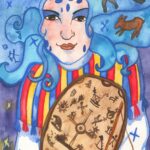 Juksakka
- Gathering of Family and Friends: Community support is crucial during mourning.
- Sharing Stories: Remembrance through storytelling reinforces the deceased’s legacy.
- Invoking Leib-olmai: His presence is sought for guidance and peace.
The communal aspect of mourning is deeply embedded in Sámi culture, emphasizing the importance of relationships and shared experiences. By coming together, the community not only honors the deceased but also reinforces their cultural identity and connection to their spiritual beliefs. This practice highlights the role of Leib-olmai as a figure who not only guides the dead but also brings the living together in times of sorrow.
Leib-olmai in Contemporary Sámi Culture
While traditional Sámi beliefs and practices have evolved over time, the figure of Leib-olmai remains relevant in contemporary Sámi culture. Many Sámi people continue to honor their ancestral beliefs, integrating them into modern life. This resurgence of interest in Sámi mythology and spirituality reflects a broader movement among indigenous peoples to reclaim their cultural heritage and promote awareness of their traditions.
In contemporary settings, Leib-olmai is often referenced in discussions about identity, heritage, and the importance of maintaining cultural practices. Sámi artists, musicians, and writers draw inspiration from their mythology, creating works that resonate with both Sámi and non-Sámi audiences. This artistic expression serves as a means of preserving and revitalizing Sámi culture, ensuring that figures like Leib-olmai remain a part of the collective memory.
Education and Awareness
Efforts to educate others about Sámi mythology and the significance of figures like Leib-olmai are increasingly important in a globalized world. Various organizations and cultural institutions work to promote Sámi history, language, and traditions. These initiatives aim to raise awareness about the challenges faced by the Sámi people while celebrating their rich cultural heritage. Through educational programs, exhibitions, and community events, the stories and beliefs surrounding Leib-olmai are shared with a broader audience.
- Educational Programs: Initiatives to teach about Sámi culture and mythology.
- Cultural Events: Celebrations that highlight Sámi traditions and beliefs.
- Artistic Expression: Modern interpretations of Sámi mythology through various art forms.
These educational efforts not only benefit the Sámi community but also foster greater understanding and appreciation among non-Sámi individuals. By sharing the stories of figures like Leib-olmai, the Sámi people invite others to engage with their culture and recognize the importance of preserving indigenous narratives. This exchange of knowledge contributes to a more inclusive society where diverse cultures are celebrated and respected.
The Role of Nature in Leib-olmai’s Mythology
Nature plays a pivotal role in Sámi mythology, and Leib-olmai’s story is no exception. The Sámi people have a profound connection to the land, and this relationship is reflected in their beliefs about the afterlife. Leib-olmai is often associated with natural elements such as mountains, rivers, and forests, which are seen as sacred spaces that facilitate the journey of the soul after death. These elements are not merely physical locations; they are imbued with spiritual significance and are integral to the Sámi understanding of life and death.
The landscape itself serves as a reminder of the interconnectedness of all beings. For the Sámi, the earth is alive, and every element has a spirit. Leib-olmai’s connection to nature reinforces the idea that the dead return to the earth, becoming part of the natural cycle. This belief fosters a sense of respect for the environment, encouraging the Sámi to live in harmony with the land and its resources.
Environmental Stewardship
Given their beliefs, the Sámi people have traditionally practiced environmental stewardship, recognizing the importance of preserving their natural surroundings. The role of Leib-olmai as a guide for the dead further emphasizes the need to protect the land for future generations. Many Sámi continue to advocate for sustainable practices that honor their cultural heritage while addressing contemporary environmental challenges.
- Sustainable Practices: Traditional methods of reindeer herding and fishing.
- Advocacy: Efforts to protect Sámi land and rights.
- Spiritual Connection: The belief that nature is sacred and must be respected.
By intertwining their spiritual beliefs with environmental consciousness, the Sámi people exemplify a holistic approach to living in balance with nature. This perspective not only honors the memory of Leib-olmai but also serves as a guiding principle for future generations, ensuring that the land remains a vital part of Sámi identity and culture.
Comparative Mythology: Leib-olmai and Other Cultures
Leib-olmai’s role in Sámi mythology can be compared to figures in other cultures that represent death and the afterlife. For example, in Norse mythology, Hel is a goddess who oversees the realm of the dead, similar to Leib-olmai’s connection to the underworld. Both figures embody the complexities of death, offering guidance to souls as they transition from life to the afterlife. This comparative approach highlights the universal themes present in many mythologies, including the importance of honoring the dead and understanding the cycle of life.
In many indigenous cultures around the world, there are also figures that serve as guides for the deceased. For instance, in Native American traditions, spirit guides play a crucial role in helping souls navigate the afterlife. These parallels suggest that the human experience of loss and the quest for understanding the afterlife are common across cultures. By exploring these similarities, we can gain a deeper appreciation for the diverse ways in which different societies approach the concept of death.
Influence of Modern Culture
In contemporary society, the influence of globalization has led to a blending of cultural narratives, including those surrounding death and the afterlife. Figures like Leib-olmai may be reinterpreted in modern contexts, reflecting the evolving nature of mythology. This reinterpretation can lead to a greater understanding of Sámi beliefs while also allowing for the incorporation of new ideas and practices. The challenge lies in maintaining the integrity of traditional beliefs while adapting to the changing world.
- Modern Interpretations: Contemporary artists and writers reimagining Leib-olmai.
- Cultural Fusion: The blending of Sámi beliefs with other cultural narratives.
- Preservation of Tradition: Efforts to maintain the authenticity of Sámi mythology.
As the world becomes increasingly interconnected, the stories of figures like Leib-olmai serve as a reminder of the importance of preserving cultural heritage. While modern influences may reshape these narratives, the core values and beliefs associated with Leib-olmai continue to resonate within the Sámi community. This ongoing dialogue between tradition and modernity enriches the understanding of Sámi mythology and highlights its relevance in today’s world.
Conclusion: The Enduring Legacy of Leib-olmai
Leib-olmai stands as a testament to the richness of Sámi mythology and the enduring connection between the living and the dead. His role as the Lord of the Dead reflects the Sámi people’s deep respect for life, death, and the natural world. Through rituals, community practices, and artistic expression, Leib-olmai continues to inspire and guide the Sámi people as they navigate the complexities of existence. As we explore the mythology surrounding Leib-olmai, we gain insight into the values, beliefs, and cultural identity of the Sámi, reminding us of the universal human experience of life, death, and the quest for understanding.