
The Sámi people, indigenous to the northern regions of Norway, Sweden, Finland, and Russia, have a rich and diverse mythology that reflects their connection to nature, the land, and their ancestors. One of the central figures in Sámi mythology is Kul, a deity associated with the underworld and the spiritual world. This article explores the significance of Kul within Sámi mythology, delving into the beliefs, stories, and practices that surround this intriguing figure.
The Origins of Kul in Sámi Mythology
Kul is often considered a complex figure within Sámi mythology. His origins can be traced back to ancient beliefs about the afterlife and the spirit world. The Sámi people viewed the universe as a layered structure, with the world of the living on one level and the realm of the dead on another. Kul serves as a guide or a guardian of this underworld, overseeing the spirits of the deceased and their journey to the afterlife.
 Kied Kie Jubmel
According to Sámi lore, Kul is not merely a figure of darkness; he embodies the balance between life and death. His presence is felt during rituals and ceremonies, especially those that honor the spirits of ancestors. The Sámi believed that honoring Kul could bring blessings and protection to their communities. This duality of Kul—both feared and respected—highlights the Sámi’s understanding of life as a continuous cycle.
Kul’s Role in Sámi Rituals
Rituals play a crucial role in Sámi culture, and Kul is often invoked during these sacred practices. One of the most important rituals is the death ceremony, where the Sámi community gathers to honor the deceased. During this ceremony, offerings may be made to Kul to ensure a safe passage for the soul into the afterlife. These offerings can include food, tools, or personal items that were meaningful to the deceased.
In addition to death ceremonies, Kul is also a figure in rituals that seek to connect with the spirit world. The Sámi shamans, known as noaidi, would enter a trance to communicate with Kul and seek guidance. These rituals often involved drumming, chanting, and the use of traditional Sámi symbols. The noaidi believed that by connecting with Kul, they could gain insight into the future or seek help in times of trouble.
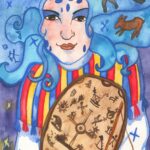 Juksakka
Types of Rituals Involving Kul
- Death Ceremonies: Honoring the deceased and ensuring their safe passage.
- Spiritual Communication: Noaidi connecting with Kul for guidance.
- Seasonal Celebrations: Marking the change of seasons and honoring the spirits.
Seasonal celebrations are another important aspect of Sámi culture where Kul is acknowledged. These events often align with the changing seasons, such as the arrival of spring or the onset of winter. During these celebrations, the Sámi people engage in feasting, storytelling, and dancing, which serve to strengthen community bonds and honor the spirits, including Kul. Such rituals emphasize the cyclical nature of life and the importance of maintaining harmony with the natural world.
Myths and Stories of Kul
The stories surrounding Kul are varied and rich, reflecting the diverse beliefs of the Sámi people. One prominent myth involves Kul’s role as a protector of the underworld. In this tale, he is depicted as a wise and powerful figure who ensures that the spirits of the deceased find their way to their final resting place. The myth illustrates the Sámi belief in the importance of proper burial practices and the respect afforded to the dead.
Another significant story involves a hero who journeys to the underworld to seek wisdom from Kul. In this tale, the hero faces various challenges and trials, ultimately proving their worthiness to receive Kul’s guidance. This myth serves as a metaphor for the journey of life, where individuals must confront their fears and challenges to gain knowledge and strength.
 Jabmiakka
Key Themes in Kul’s Myths
- Journey to the Afterlife: The importance of honoring the dead.
- Wisdom and Guidance: Seeking knowledge from the spiritual realm.
- Balance of Life and Death: Understanding the cyclical nature of existence.
These myths are not just stories; they are integral to the Sámi worldview. They reinforce the connection between the living and the dead and emphasize the importance of respecting both realms. Through the tales of Kul, the Sámi people communicate their values, beliefs, and the significance of maintaining harmony with the universe.
Kul and Nature
Nature holds a special place in Sámi mythology, and Kul is often associated with various natural elements. The Sámi people view the landscape as a living entity, and Kul is believed to inhabit certain places, such as mountains, rivers, and forests. These natural sites are considered sacred and are often the focus of rituals and offerings to Kul.
The connection between Kul and nature underscores the Sámi belief in the interconnectedness of all living things. The Sámi people see themselves as part of the natural world, and their practices reflect a deep respect for the environment. By honoring Kul and the spirits of nature, they seek to maintain balance and harmony in their lives.
Natural Elements Associated with Kul
- Mountains: Seen as gateways to the spiritual realm.
- Rivers: Symbolizing the flow of life and the journey of souls.
- Forests: Home to various spirits and a source of sustenance.
The Sámi people often hold ceremonies in these natural sites, believing that the presence of Kul enhances their spiritual significance. For example, a gathering at a sacred mountain might include offerings to Kul, prayers, and songs that celebrate the connection between the people and the land. This practice reinforces the idea that Kul is not just a distant deity but an integral part of their daily lives and experiences.
The Legacy of Kul in Contemporary Sámi Culture
While Sámi mythology has faced challenges due to colonization and modernization, the legacy of Kul continues to thrive in contemporary Sámi culture. Many Sámi people still engage in traditional practices, rituals, and storytelling that honor their ancestors and the spiritual world. This resurgence reflects a growing recognition of the importance of indigenous cultures and the need to preserve their heritage.
Modern Sámi artists, musicians, and storytellers often draw inspiration from the myths of Kul and other deities. Through various forms of art, they express their connection to their roots and share the stories of their ancestors with new generations. This cultural revival is essential for maintaining the identity and traditions of the Sámi people in an ever-changing world.
Ways Kul is Celebrated Today
- Art and Music: Contemporary works inspired by Sámi mythology.
- Festivals: Celebrations that honor Sámi culture and traditions.
- Education: Teaching younger generations about Sámi beliefs.
In addition to artistic expressions, community festivals play a vital role in celebrating Sámi culture and the legacy of Kul. These festivals often feature traditional music, dance, and storytelling, creating a vibrant atmosphere where people can connect with their heritage. By participating in these events, Sámi individuals reinforce their cultural identity and ensure that the stories of Kul and other deities continue to be shared.
The Importance of Kul in Sámi Identity
Kul is more than just a mythological figure; he is a symbol of the Sámi people’s resilience and connection to their land and traditions. The beliefs surrounding Kul contribute to a sense of identity and belonging among the Sámi. By honoring Kul, they affirm their cultural heritage and their relationship with the natural world.
The stories and rituals associated with Kul serve as a reminder of the values that are central to Sámi culture, such as respect for nature, the importance of community, and the reverence for ancestors. These beliefs are passed down through generations, ensuring that the legacy of Kul remains alive in the hearts and minds of the Sámi people.
Challenges to Sámi Identity
- Colonization: Historical impacts on Sámi culture and beliefs.
- Modernization: The influence of contemporary society on traditional practices.
- Climate Change: Effects on the natural environment and Sámi way of life.
Despite the challenges faced by the Sámi people, the mythology of Kul continues to play a significant role in their identity. By embracing their traditions and advocating for their rights, the Sámi are working to ensure that their culture remains vibrant and relevant in today’s world. Kul serves as a powerful reminder of their connection to the past and their hopes for the future.
The figure of Kul in Sámi mythology embodies the intricate relationship between life and death, nature and spirit. Through rituals, stories, and a deep respect for the environment, the Sámi people continue to honor Kul and the values he represents. As they navigate the complexities of modern life, the legacy of Kul remains a vital part of their cultural identity, guiding them in their journey through the world.