
Juksakka is a significant figure in Sámi mythology, representing a deep connection to the natural world and the spiritual beliefs of the Sámi people. The Sámi, an indigenous group primarily found in the northern parts of Norway, Sweden, Finland, and Russia, have a rich cultural heritage that includes a variety of deities and spirits. Juksakka is often depicted as a powerful being associated with the land, animals, and the elements. This article delves into the various aspects of Juksakka, exploring its origins, characteristics, and role in Sámi culture.
Origins of Juksakka
The origins of Juksakka are deeply rooted in the mythological traditions of the Sámi people. According to various legends, Juksakka is often portrayed as a guardian spirit of the land. This figure embodies the essence of nature, symbolizing the interconnectedness of all living things. The stories surrounding Juksakka often illustrate the relationship between humans and the natural world, emphasizing respect and reverence for the environment. The Sámi believe that Juksakka is a manifestation of the land itself, which provides sustenance and life to the people.
 Jabmiakka
In Sámi mythology, Juksakka is often associated with the reindeer, an animal of great importance to the Sámi culture. Reindeer herding is a traditional livelihood for many Sámi families, and this connection further solidifies Juksakka’s role as a protector of both the animals and the people. The Sámi stories often convey how Juksakka watches over the herds, ensuring their safety and well-being. This aspect of Juksakka reflects the deep respect that the Sámi have for nature and their reliance on it for survival.
Characteristics of Juksakka
Juksakka is typically depicted as a powerful and wise figure, possessing both strength and intelligence. Many stories describe Juksakka as having a deep understanding of the natural world, able to communicate with animals and elements alike. This connection allows Juksakka to guide and protect those who respect nature and follow its rhythms. The figure is often portrayed as a tall and imposing presence, embodying the might of the wilderness.
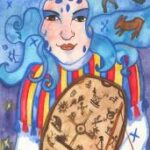 Biegga-olmai
In addition to physical characteristics, Juksakka is also associated with various attributes that symbolize its power. For instance, Juksakka is often linked to lightning and thunder, which represent both the destructive and creative forces of nature. This duality reflects the Sámi belief that nature is both a giver of life and a force to be reckoned with. In this sense, Juksakka serves as a reminder of the balance that must be maintained between humans and the environment.
Symbolism of Juksakka
- Nature’s Guardian: Juksakka symbolizes the protection of the natural world.
- Reverence for Animals: The connection to reindeer emphasizes respect for all living beings.
- Balance: Juksakka embodies the balance between creation and destruction.
- Wisdom: The figure represents deep knowledge of nature and its cycles.
The symbolism of Juksakka extends beyond mere representation; it serves as a guiding principle for the Sámi people. The stories of Juksakka teach important lessons about living in harmony with nature, highlighting the importance of sustainability and respect for the environment. Through these tales, the Sámi pass down their values and beliefs, ensuring that future generations understand the significance of their connection to the land.
Juksakka in Sámi Rituals
Rituals play a crucial role in Sámi culture, and Juksakka often features prominently in these ceremonies. The Sámi people engage in various practices to honor Juksakka, seeking its blessings for a successful hunting season or a fruitful harvest. These rituals may include offerings of food, such as reindeer meat or fish, which are left in natural settings as a sign of gratitude and respect. By acknowledging Juksakka in these ways, the Sámi reinforce their connection to the land and its spirits.
 Uksakka
One common ritual involves the use of drumming and singing, which are integral parts of Sámi spiritual practices. The beat of the drum is believed to connect the physical world with the spiritual realm, allowing the Sámi to communicate with Juksakka and other spirits. During these ceremonies, participants often share stories of Juksakka, recounting its deeds and wisdom. This oral tradition serves to strengthen community bonds and ensure that the tales of Juksakka continue to be passed down through generations.
Types of Rituals Involving Juksakka
- Offerings: Presenting food or items to Juksakka in nature.
- Drumming and Singing: Using music to connect with the spirit world.
- Storytelling: Sharing tales of Juksakka to educate and inspire.
- Seasonal Celebrations: Marking important times of the year with rituals honoring Juksakka.
Seasonal celebrations are particularly significant, as they often coincide with important changes in the environment. For example, during the spring, Sámi people may hold rituals to celebrate the return of the sun and the awakening of nature. Juksakka is invoked to bless the land and ensure a bountiful season. These celebrations not only honor Juksakka but also serve to unite the community in shared traditions and beliefs.
Juksakka and Sámi Identity
Juksakka is not just a mythological figure; it is also a vital part of Sámi identity. The stories and rituals associated with Juksakka help to define what it means to be Sámi, creating a sense of belonging and cultural pride. The connection to Juksakka reinforces the importance of the land, the animals, and the spiritual beliefs that are central to Sámi life. This identity is further enriched by the understanding that Juksakka represents the values of resilience, respect, and harmony.
The Sámi people’s relationship with Juksakka also serves as a reminder of the ongoing struggles faced by indigenous cultures around the world. As modern society encroaches on traditional lands and ways of life, the stories of Juksakka become even more significant. They highlight the need for preservation of cultural heritage and the importance of maintaining a connection to nature. Through the lens of Juksakka, the Sámi people assert their identity and advocate for the protection of their land and traditions.
Juksakka in Contemporary Sámi Culture
- Cultural Revitalization: Efforts to preserve Sámi traditions, including Juksakka.
- Art and Literature: Representation of Juksakka in modern creative expressions.
- Education: Teaching younger generations about Juksakka and Sámi beliefs.
- Advocacy: Using Juksakka’s story to promote indigenous rights and environmental protection.
In contemporary Sámi culture, there has been a resurgence of interest in traditional beliefs, including the figure of Juksakka. Cultural revitalization efforts aim to educate younger generations about their heritage, ensuring that the stories and rituals associated with Juksakka are not forgotten. Artists and writers often draw inspiration from Juksakka, creating works that reflect its significance in Sámi mythology. These modern interpretations help to keep the spirit of Juksakka alive in a rapidly changing world.
The figure of Juksakka serves as a powerful symbol of the Sámi people’s connection to their land, culture, and identity. Through its stories, rituals, and teachings, Juksakka embodies the values of respect, harmony, and resilience. As the Sámi continue to navigate the challenges of modern life, the importance of Juksakka remains a guiding force, reminding them of the rich cultural heritage that shapes their identity and connection to the natural world.