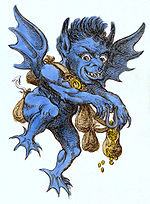
In Latvian mythology, the concept of Velns is a fascinating and complex one. Velns is often depicted as a trickster figure, similar to the role of the devil in other cultures. This character embodies various traits, such as cunning, mischief, and a certain degree of malevolence. The stories surrounding Velns are rich and varied, reflecting the cultural values and beliefs of the Latvian people. Throughout the centuries, Velns has been portrayed in numerous ways, influencing literature, art, and folklore. Understanding Velns requires delving into the myths, stories, and cultural significance that this figure holds in Latvian society.
Origins of Velns
The origins of Velns can be traced back to ancient Baltic pagan beliefs. In the early days, Velns was not merely seen as a malevolent spirit but also as a figure associated with nature and the elements. He was often linked to the underworld and was believed to have power over the dead. This connection to the earth and the afterlife made him a significant figure in the spiritual practices of ancient Latvians. Rituals and offerings were made to appease Velns, ensuring that he would not bring misfortune upon the community.
 Veja Mate
Over time, as Christianity spread throughout the region, the perception of Velns began to change. The Christian influence transformed him into a more clearly defined evil character, akin to the devil in Christian theology. This shift reflects a broader trend in many cultures, where pagan deities were demonized in the context of new religious beliefs. Despite this transformation, remnants of his earlier, more complex nature can still be found in various stories and folklore.
Characteristics of Velns
Velns is characterized by his dual nature. On one hand, he is a trickster, known for his cunning and cleverness. He often plays tricks on humans, leading them astray or causing chaos in their lives. These stories serve as cautionary tales, warning people against greed, dishonesty, and other vices. On the other hand, Velns also possesses a more benevolent side. In some tales, he helps those who are lost or in need, guiding them back to safety. This complexity makes him a multifaceted character, representing the struggle between good and evil within human nature.
In Latvian folklore, Velns is often depicted with physical traits that emphasize his otherworldly nature. He is sometimes described as having horns, a tail, and dark, menacing features. These attributes serve to reinforce his role as a figure of fear and mischief. However, in other tales, he may take on a more human-like appearance, allowing him to interact with people more directly. This ability to shift between forms adds to the mystique surrounding Velns and highlights his unpredictable nature.
 Uguns Mate
Velns in Latvian Folklore
Numerous stories featuring Velns have been passed down through generations, each illustrating different aspects of his character. One popular tale involves Velns attempting to outsmart a clever peasant. In this story, the peasant uses his wits to turn the tables on Velns, ultimately teaching him a lesson about humility and respect. This narrative not only showcases Velns as a trickster but also emphasizes the value of intelligence and resourcefulness in overcoming adversity.
Another story tells of Velns’s interactions with a group of farmers. In this tale, Velns offers to help the farmers with their harvest in exchange for a portion of their crops. Initially, the farmers are thrilled with the arrangement, but they soon realize that Velns’s help comes at a high price. The story serves as a reminder of the dangers of making deals with forces beyond one’s control and highlights the importance of self-reliance.
 Puškaitis
Common Themes in Velns Stories
- Trickery: Many stories involve Velns playing tricks on unsuspecting characters.
- Morality: The tales often convey moral lessons, warning against greed and dishonesty.
- Transformation: Velns’s ability to change his form symbolizes the fluid nature of good and evil.
- Nature: Velns is frequently associated with the natural world, reflecting ancient beliefs.
These themes are prevalent throughout Latvian folklore, illustrating the cultural significance of Velns as both a cautionary figure and a source of wisdom. Through these stories, the Latvian people have maintained a connection to their roots, preserving the values and beliefs that define their identity.
Velns in Modern Culture
Despite the passage of time, Velns remains a relevant figure in contemporary Latvian culture. He appears in various forms of media, including literature, theater, and visual arts. Modern authors often draw inspiration from traditional tales, reinterpreting Velns’s character for new audiences. This ongoing fascination with Velns reflects a broader interest in mythology and folklore, as people seek to understand their cultural heritage.
In recent years, Velns has also made his way into popular culture, appearing in films and television shows that explore Latvian mythology. These modern adaptations often blend traditional elements with contemporary storytelling techniques, making Velns accessible to a wider audience. This resurgence of interest in Velns demonstrates the enduring power of mythology to resonate with people across generations.
Velns is a central figure in Latvian mythology, embodying the complexities of human nature and the eternal struggle between good and evil. His character has evolved over time, reflecting the cultural shifts that have occurred in Latvia. Through folklore, literature, and modern adaptations, Velns continues to captivate the imagination of people today, ensuring that his legacy endures for future generations.