
In the rich tapestry of Sámi mythology, one figure that stands out is Kied Kie Jubmel. This entity embodies a variety of themes and ideas that are central to the Sámi culture and their understanding of the world. Kied Kie Jubmel is often associated with nature, the elements, and the cyclical patterns of life that are crucial to the Sámi way of living. The Sámi people, indigenous to the northern regions of Europe, particularly in Norway, Sweden, Finland, and Russia, have a deep-rooted connection to their land and environment. Through the lens of Kied Kie Jubmel, we can explore the intricate beliefs and practices that shape Sámi identity.
The Origins of Kied Kie Jubmel
The origins of Kied Kie Jubmel are deeply intertwined with the Sámi creation myths. According to these myths, Kied Kie Jubmel was born from the spirits of nature. This connection to nature is significant as it highlights the Sámi belief in the sacredness of the earth and its elements. The stories surrounding Kied Kie Jubmel vary across different Sámi communities, but the common thread is the reverence for the natural world. The Sámi people have always seen themselves as part of a larger ecosystem, where every being, including Kied Kie Jubmel, plays a crucial role.
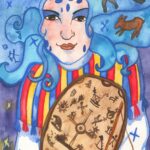 Juksakka
Kied Kie Jubmel is often depicted as a figure that embodies both the light and dark aspects of nature. This duality is important in Sámi beliefs, as it reflects the balance that exists in the world. For example, the changing seasons are seen as a dance between light and darkness, with Kied Kie Jubmel guiding this transformation. The Sámi people celebrate these changes through various rituals and festivals, marking the passage of time and the cycles of nature. Understanding Kied Kie Jubmel requires an appreciation of these seasonal changes and the significance they hold for the Sámi.
Kied Kie Jubmel and the Elements
In Sámi mythology, Kied Kie Jubmel is closely associated with the four elements: earth, water, air, and fire. Each element holds a unique significance and represents different aspects of life. For instance, the earth is often viewed as a source of nourishment and stability, while water symbolizes the flow of life and emotions. Air represents freedom and the spirit, and fire is seen as a force of transformation and renewal. Kied Kie Jubmel acts as a mediator between these elements, ensuring harmony and balance within the natural world.
- Earth: Represents stability and sustenance.
- Water: Symbolizes life and emotions.
- Air: Represents freedom and the spirit.
- Fire: A force of transformation and renewal.
The Sámi people often invoke Kied Kie Jubmel during ceremonies that honor the elements. For example, during the spring, when the snow begins to melt and life starts to awaken, rituals are performed to celebrate the return of the sun and the earth’s fertility. Kied Kie Jubmel is called upon to bless the land and ensure a bountiful harvest. This relationship between the Sámi people and Kied Kie Jubmel underscores the importance of respecting and nurturing the environment.
 Jabmiakka
Kied Kie Jubmel in Sámi Festivals
Kied Kie Jubmel plays a central role in various Sámi festivals that celebrate the changing seasons and the connection to nature. One of the most significant festivals is the Sámi National Day, celebrated on February 6th. This day honors Sámi culture and heritage, and Kied Kie Jubmel is often invoked in prayers and songs. The festival includes traditional music, dance, and storytelling, all of which highlight the relationship between the Sámi people and their mythology.
Another important festival is the summer solstice, which marks the longest day of the year. During this time, the Sámi people gather to celebrate the light and the abundance of life. Kied Kie Jubmel is honored through various activities, such as feasting, singing, and storytelling. These gatherings serve to strengthen community bonds and reinforce the shared beliefs in the power of Kied Kie Jubmel and the natural world.
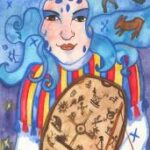 Biegga-olmai
The Symbolism of Kied Kie Jubmel
Kied Kie Jubmel is rich in symbolism, representing not just nature but also the spiritual journey of the Sámi people. The figure is often seen as a guide, helping individuals navigate their lives in harmony with the world around them. This guidance is particularly important during times of transition, such as moving from childhood to adulthood or during significant life changes. Kied Kie Jubmel embodies the wisdom that comes from living in tune with nature and understanding one’s place within the larger ecosystem.
Additionally, Kied Kie Jubmel symbolizes the interconnectedness of all beings. In Sámi beliefs, everything is seen as part of a larger web of life, where each entity has its own role and purpose. This understanding fosters a sense of responsibility among the Sámi people to care for the environment and respect all forms of life. Kied Kie Jubmel serves as a reminder that every action has consequences, and living in harmony with nature is essential for both personal and communal well-being.
Kied Kie Jubmel in Contemporary Sámi Culture
In modern times, Kied Kie Jubmel continues to hold significance for the Sámi people. As they navigate the challenges of contemporary life, the teachings and stories associated with Kied Kie Jubmel provide a sense of grounding and connection to their roots. Many Sámi artists, musicians, and storytellers draw inspiration from this figure, incorporating it into their work to preserve and promote Sámi culture. Through art and performance, the stories of Kied Kie Jubmel are kept alive, ensuring that future generations understand their heritage.
The revival of Sámi traditions has also led to a renewed interest in Kied Kie Jubmel. Educational programs and cultural initiatives are being implemented to teach younger Sámi about their mythology and the importance of figures like Kied Kie Jubmel. This effort aims to instill a sense of pride in their identity and encourage a deeper appreciation for the natural world. By embracing their mythology, the Sámi people are not only preserving their culture but also advocating for environmental stewardship and sustainability.
Kied Kie Jubmel serves as a profound representation of the Sámi people’s relationship with nature and the spiritual world. Through its various aspects, from its origins in creation myths to its role in contemporary culture, Kied Kie Jubmel embodies the values and beliefs that define Sámi identity. The stories and rituals surrounding this figure highlight the importance of living in harmony with the environment and respecting the interconnectedness of all beings. As the Sámi people continue to celebrate their heritage, Kied Kie Jubmel remains a guiding force, reminding them of their deep connection to the land and the cycles of life.