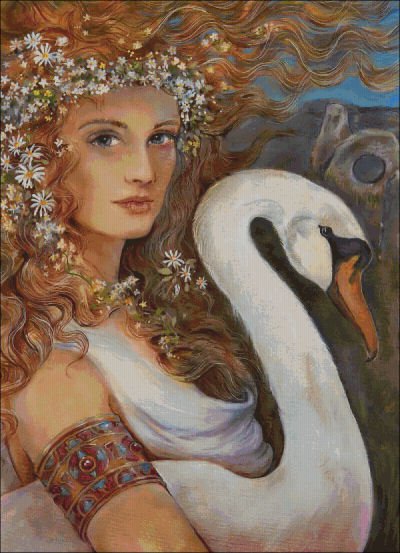
In Lithuanian mythology, Laime is a prominent figure known as the goddess of fortune and fate. She is often associated with luck, happiness, and prosperity. Laime plays a crucial role in the lives of the Lithuanian people, influencing their destinies and shaping their experiences. Her character is complex, embodying both benevolence and the harsher aspects of fate. As a central figure in many myths, Laime is revered and respected, and her influence can be seen in various aspects of Lithuanian culture and traditions.
The Role of Laime in Lithuanian Mythology
Laime is considered one of the most important deities in Lithuanian mythology. She is often depicted as a beautiful woman, embodying grace and charm. In many stories, she appears at pivotal moments in people’s lives, such as during birth or significant life events. Her presence is believed to bring good luck and positive outcomes, but she can also represent the unpredictability of fate. The duality of her character highlights the belief that life is a mix of fortune and misfortune.
 Krumine
In Lithuanian culture, Laime is not just a goddess of good luck but also a protector of the family and home. She is often invoked during important ceremonies, such as weddings and harvest festivals, where her blessings are sought for a prosperous future. People believe that honoring Laime can lead to a life filled with joy and abundance. As a result, she has become an integral part of various rituals and traditions that celebrate life’s milestones.
Symbols Associated with Laime
Laime is associated with several symbols that represent her qualities and powers. One of the most significant symbols is the spindle, which signifies the weaving of fate. In many myths, Laime is depicted as spinning threads that determine the destinies of individuals. The act of spinning reflects the idea that life is a tapestry woven with various experiences, both good and bad.
- Spindle: Represents the weaving of fate and destiny.
- Grains: Symbolizes prosperity and abundance.
- Wheat: Often associated with harvest and sustenance.
Another important symbol is wheat, which is linked to abundance and nourishment. In agricultural societies, wheat represents the sustenance needed for survival and growth. Laime’s association with wheat underscores her role as a provider of prosperity and well-being. During harvest time, rituals are performed to honor her and ensure a bountiful crop.
 Kremata
Legends and Myths Involving Laime
Many legends and myths feature Laime as a central character. One popular story tells of her involvement in the creation of the world. According to the myth, Laime was tasked with determining the fates of all living beings. As she spun the threads of life, she decided who would experience happiness, sorrow, and everything in between. This myth illustrates her powerful influence over the human experience and the belief that fate is both predetermined and shaped by individual actions.
Another well-known legend involves a young couple who sought Laime’s blessing for their marriage. They traveled to her sacred site, where they offered gifts and prayers. In response, Laime appeared to them, granting them her favor and promising a life filled with love and prosperity. This story highlights the importance of seeking Laime’s blessings during significant life events, reinforcing the idea that her approval can lead to a successful and happy life.
The Influence of Laime on Lithuanian Culture
Laime’s influence extends beyond mythology into the everyday lives of the Lithuanian people. Her presence is felt in various cultural practices, particularly in rituals and celebrations. For instance, during weddings, couples often perform rituals to honor Laime, seeking her blessings for a harmonious and prosperous marriage. These practices are deeply rooted in the belief that Laime’s approval can enhance the couple’s future together.
 Keliu Dievas
- Weddings: Couples seek Laime’s blessings for a happy marriage.
- Harvest Festivals: Celebrations include offerings to Laime for a bountiful crop.
- New Year’s Celebrations: People invoke Laime for good fortune in the coming year.
Additionally, during harvest festivals, communities gather to celebrate the fruits of their labor. They often create offerings of grain and bread, dedicating them to Laime in gratitude for her blessings. These communal events strengthen social bonds and reinforce the connection between the people and their goddess. The rituals surrounding these festivals reflect a deep respect for Laime and an acknowledgment of her role in their lives.
Modern Interpretations of Laime
In contemporary Lithuania, Laime continues to hold a significant place in the cultural consciousness. While many traditional practices have evolved or diminished over time, the essence of Laime remains relevant. People still invoke her name in everyday situations, particularly when seeking luck or fortune. Her image can be found in various forms of art, literature, and even popular culture, showcasing her enduring legacy.
Modern interpretations of Laime often emphasize her role as a symbol of hope and resilience. In times of uncertainty or hardship, people look to her as a source of inspiration, believing that with her blessings, they can overcome challenges and achieve their dreams. This aspect of Laime’s character resonates with many, making her a timeless figure in Lithuanian culture.
Laime in Art and Literature
Laime has inspired countless artists and writers throughout history. Her portrayal in art often reflects her dual nature as a bringer of fortune and a weaver of fate. Artists depict her with vibrant colors and intricate designs, emphasizing her beauty and grace. Many paintings and sculptures capture the essence of Laime, showcasing her as a nurturing figure who watches over the lives of mortals.
- Paintings: Artists depict Laime as a beautiful goddess, symbolizing fortune.
- Folklore: Stories and poems celebrate her role in shaping destinies.
- Modern Media: Laime’s character appears in contemporary literature and films.
In literature, Laime is often featured in folklore and fairy tales, where her influence on characters’ lives is a central theme. These stories serve to educate and entertain while reinforcing the importance of fate and fortune in human experiences. Modern writers continue to explore her character, weaving her into contemporary narratives that reflect the struggles and triumphs of everyday life.
Rituals and Offerings to Laime
Rituals dedicated to Laime are an essential part of Lithuanian cultural heritage. These rituals often involve offerings that symbolize gratitude and respect. Common offerings include grains, bread, and other foods that represent sustenance and abundance. People believe that by making these offerings, they can attract Laime’s favor and ensure a prosperous future.
One popular ritual involves the preparation of special bread, known as šakotis, which is often made during significant celebrations. This cake symbolizes growth and abundance, making it an ideal offering to Laime. Families gather to bake the bread, infusing it with their hopes and wishes for the future. The act of creating this offering fosters a sense of community and connection to their cultural roots.
Seasonal Celebrations and Laime
Seasonal celebrations in Lithuania often include rituals dedicated to Laime. For instance, during the winter solstice, families gather to celebrate the return of the sun and the promise of new beginnings. This time of year is marked by festivities that honor Laime and seek her blessings for the coming year. People light candles and share meals, invoking her name as they express their hopes for good fortune.
- Winter Solstice: Celebrations to honor Laime and seek blessings for the new year.
- Spring Equinox: Rituals to celebrate renewal and growth.
- Harvest Festivals: Community gatherings to give thanks for abundance.
During the spring equinox, rituals are performed to celebrate renewal and growth. As nature awakens, people seek Laime’s blessings for a fruitful season. These celebrations often include planting ceremonies, where families plant seeds in their gardens, symbolizing their hopes for a bountiful harvest. By honoring Laime during these seasonal transitions, people reinforce their connection to the earth and the cycles of life.
Laime’s Connection to Other Deities
Laime is not an isolated figure in Lithuanian mythology; she is part of a broader pantheon of deities. Her relationships with other gods and goddesses often illustrate the interconnectedness of fate, love, and prosperity. One of her notable connections is with Perkūnas, the god of thunder and storms. In some myths, Laime and Perkūnas are seen as complementary forces, balancing each other in the realm of fate and fortune.
Additionally, Laime is often linked to Žemyna, the goddess of the earth and fertility. Together, they represent the harmony between the natural world and human existence. While Laime weaves the threads of fate, Žemyna nurtures the earth, providing the sustenance needed for life. This connection emphasizes the importance of both fate and the environment in shaping human experiences.
Laime in Contemporary Spiritual Practices
In modern times, some people in Lithuania have turned to spiritual practices that incorporate Laime’s teachings and symbolism. These practices often focus on personal empowerment and the belief that individuals can shape their own destinies. Many people engage in rituals that honor Laime, seeking her guidance and blessings as they navigate life’s challenges.
- Personal Rituals: Individuals create their own ceremonies to honor Laime.
- Workshops: Communities hold gatherings to explore themes of fortune and fate.
- Spiritual Growth: People focus on self-discovery and empowerment through Laime’s teachings.
Workshops and community gatherings have emerged, where individuals come together to explore themes of fortune, fate, and personal growth. These events often include discussions, storytelling, and rituals that honor Laime’s influence. Participants share their experiences and insights, fostering a sense of community and collective empowerment. Through these practices, people reconnect with their cultural heritage while seeking guidance for their personal journeys.
The Legacy of Laime in Lithuanian Society
The legacy of Laime continues to resonate within Lithuanian society. As a symbol of fortune and fate, she embodies the hopes and dreams of the people. Her stories and teachings remind individuals of the importance of resilience and the belief that they can influence their own destinies. Laime’s presence in cultural practices and celebrations reinforces the connection between the past and the present, ensuring that her influence endures.
In educational settings, Laime’s stories are often shared to teach children about the values of hope, perseverance, and the significance of cultural heritage. These lessons instill a sense of pride and identity among younger generations, helping them understand their roots and the importance of honoring their ancestors. Through storytelling and cultural education, Laime’s legacy continues to inspire and guide the Lithuanian people.
The Future of Laime in Lithuanian Culture
As Lithuania continues to evolve, Laime’s role may also adapt to meet the changing needs of society. However, her core attributes of fortune, fate, and resilience will likely remain relevant. The ongoing interest in mythology and folklore suggests that Laime will continue to inspire future generations. As people seek meaning and connection in their lives, Laime’s teachings will provide guidance and encouragement.
- Cultural Revivals: Interest in traditional practices may lead to renewed celebrations of Laime.
- Artistic Expressions: New artistic interpretations of Laime will emerge.
- Literature and Media: Laime’s character will continue to inspire stories and narratives.
Artistic expressions inspired by Laime are likely to flourish as artists and writers explore her character in new and innovative ways. Literature, films, and other media will continue to incorporate her essence, ensuring that her story remains alive and relevant. Through these creative outlets, Laime’s influence will continue to shape the cultural landscape of Lithuania, providing inspiration and guidance for generations to come.