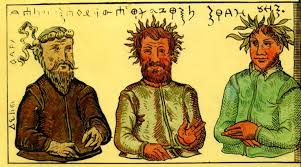
Krumine is a fascinating figure in Lithuanian mythology, often associated with the natural world and its mysteries. This character represents a unique blend of elements that are deeply rooted in the cultural and spiritual practices of the Lithuanian people. The mythology surrounding Krumine provides insight into the ancient beliefs and values that have shaped Lithuanian identity over centuries. This article will explore the various aspects of Krumine, including her origins, characteristics, and significance in the broader context of Lithuanian folklore.

Origins of Krumine
The origins of Krumine can be traced back to the ancient traditions of the Baltic peoples. In Lithuanian mythology, she is often depicted as a spirit of the forest and nature, embodying the essence of the wild. This connection to the forest is significant, as it reflects the importance of nature in the lives of the Lithuanian people. The forests of Lithuania are rich in biodiversity and have always played a crucial role in the sustenance and spirituality of the communities that inhabit them.
Krumine is sometimes seen as a guardian of the forest, protecting the animals and plants that reside within her domain. Her presence is believed to bring balance and harmony to the natural world. In many stories, Krumine interacts with humans, teaching them the importance of respecting nature and living in harmony with it. This aspect of her character emphasizes the deep connection that Lithuanians have with their environment.
Characteristics of Krumine
Krumine is often described as a beautiful woman, adorned with flowers and leaves, symbolizing her connection to nature. She is sometimes portrayed with long, flowing hair that resembles the colors of the forest, blending in seamlessly with her surroundings. This visual representation highlights her role as a protector of the wilderness, embodying the beauty and fragility of the natural world.
 Keliu Dievas
In addition to her physical beauty, Krumine possesses various supernatural abilities. She is known to have the power to communicate with animals and plants, understanding their needs and desires. This ability allows her to act as a mediator between the human world and the natural realm. In many tales, Krumine uses her powers to help those who respect nature and punish those who exploit it.
Symbolism of Krumine
- Nature: Krumine symbolizes the beauty and importance of the natural world.
- Balance: She represents the balance between humanity and nature, emphasizing the need for coexistence.
- Protection: Krumine serves as a guardian of the forest, protecting its inhabitants.
- Wisdom: Her interactions with humans often convey important lessons about respect and harmony.
Through her symbolism, Krumine teaches important values that are integral to Lithuanian culture. The stories surrounding her often convey messages about the necessity of respecting the environment and the consequences of neglecting this relationship. In a world increasingly disconnected from nature, Krumine serves as a reminder of the importance of living in harmony with the earth.
Krumine in Folklore
Krumine appears in various tales and legends throughout Lithuanian folklore. These stories often highlight her role as a protector and teacher, showcasing the lessons she imparts to those who encounter her. One common theme in these tales is the idea of consequences. Characters who show disrespect to nature often face dire repercussions, while those who honor Krumine and her teachings are rewarded.
 Kovas
KovasIn one popular story, a young woodcutter enters the forest without permission, cutting down trees indiscriminately. Krumine, witnessing his actions, appears before him in a vision. She shows him the devastation caused by his actions, revealing the interconnectedness of all living things. The woodcutter, moved by her message, vows to change his ways and becomes a protector of the forest, demonstrating the transformative power of Krumine’s influence.
Common Themes in Krumine’s Stories
- Respect for Nature: Many stories emphasize the importance of treating nature with care.
- Consequences of Actions: Characters often face repercussions for their disregard for the environment.
- Transformation: Encounters with Krumine often lead to personal growth and change.
- Harmony: The stories highlight the need for balance between humanity and nature.
These themes resonate deeply within Lithuanian culture, reflecting a worldview that values the interconnectedness of all living beings. The stories of Krumine not only entertain but also serve as moral lessons, guiding individuals toward a more respectful and harmonious existence.
Krumine’s Influence on Lithuanian Culture
Krumine’s presence in Lithuanian mythology has had a lasting impact on the culture and traditions of the country. Her character embodies the values of respect, harmony, and balance, which are central to the Lithuanian way of life. These values are often reflected in various cultural practices, including festivals, rituals, and art.
One notable example is the celebration of nature festivals in Lithuania, where communities come together to honor the changing seasons and the beauty of the natural world. During these festivals, stories of Krumine are often recounted, reminding participants of the importance of their connection to nature. These gatherings foster a sense of community and shared responsibility for the environment, echoing Krumine’s teachings.
Art and Literature
- Visual Arts: Artists often depict Krumine in paintings and sculptures, celebrating her beauty and connection to nature.
- Literature: Poets and writers incorporate Krumine into their works, using her as a symbol of nature’s wisdom.
- Music: Folk songs often reference Krumine, highlighting her role in Lithuanian heritage.
The representation of Krumine in various art forms serves to keep her spirit alive in contemporary culture. Artists draw inspiration from her character, creating works that celebrate the beauty of the natural world and the lessons it teaches. This ongoing influence ensures that Krumine remains a vital part of Lithuanian identity, bridging the gap between ancient beliefs and modern practices.
Krumine in Modern Context
In recent years, there has been a resurgence of interest in Lithuanian mythology, including the figure of Krumine. As environmental issues become increasingly pressing, many people are looking to traditional beliefs and practices for guidance. Krumine’s message of respect for nature and the importance of living in harmony with the earth resonates strongly in today’s world.
Environmental organizations and activists often draw on Krumine’s teachings to promote sustainability and conservation efforts. By invoking her name and stories, they emphasize the need to protect the natural world for future generations. This revival of interest in Krumine reflects a broader cultural shift towards recognizing the importance of our relationship with the environment.
Educational Initiatives
- Workshops: Many organizations conduct workshops that teach traditional Lithuanian values, including those represented by Krumine.
- Nature Camps: Camps for children often include stories of Krumine to instill a sense of environmental responsibility.
- Community Events: Festivals celebrating Krumine and nature are organized to raise awareness about environmental issues.
These initiatives not only educate individuals about the importance of nature but also foster a sense of community and shared responsibility. By incorporating Krumine’s teachings into modern practices, Lithuanians are ensuring that her legacy continues to inspire future generations.
The Role of Krumine in Spiritual Practices
Krumine also holds a significant place in the spiritual practices of many Lithuanians. Her character is often associated with rituals that honor the natural world, reflecting the deep-seated belief in the interconnectedness of all living things. These rituals may involve offerings to Krumine, such as flowers or fruits, as a way to seek her blessings for a bountiful harvest or protection of the land.
Many people believe that by honoring Krumine, they can cultivate a deeper connection with nature. This practice is especially prevalent among those who engage in traditional farming or forestry, as they recognize the importance of respecting the land that sustains them. Krumine’s teachings encourage a spiritual relationship with the environment, fostering a sense of gratitude and reverence for the earth.
Rituals and Offerings
- Seasonal Celebrations: Rituals are often held during solstices and equinoxes to honor Krumine.
- Offerings: People may leave flowers, fruits, or herbs as offerings to Krumine in the forest.
- Prayers: Invocations and prayers to Krumine are common during important agricultural events.
These spiritual practices serve to strengthen the bond between individuals and the natural world. By participating in rituals that honor Krumine, Lithuanians are reminded of their responsibility to care for the environment and the interconnectedness of all life.
Krumine in Comparative Mythology
When examining Krumine within the broader context of mythology, it is interesting to compare her to similar figures in other cultures. Many societies have deities or spirits that embody the essence of nature and serve as protectors of the environment. For instance, in Slavic mythology, there are figures like Leshy, the guardian of the forest, who shares similarities with Krumine.
These figures often represent the same themes of balance and respect for nature, highlighting a universal understanding of the importance of the environment across different cultures. By exploring these connections, we can gain a deeper appreciation for the role of nature in human life and the shared values that transcend cultural boundaries.
Similar Figures in Other Cultures
- Leshy (Slavic): A guardian spirit of the forest, often depicted as a tall man with a beard made of moss.
- Diana (Roman): The goddess of the hunt and nature, symbolizing the wild and untamed aspects of the natural world.
- Pachamama (Andean): A goddess representing Mother Earth, revered for her nurturing and protective qualities.
These comparative studies illustrate the common themes present in mythology around the world, emphasizing the universal recognition of the importance of nature and the need to protect it. Krumine, as a Lithuanian representation of these ideals, highlights the rich cultural heritage that informs contemporary environmental consciousness.
Conclusion: The Legacy of Krumine
Krumine’s legacy continues to thrive in Lithuanian culture, as her stories and teachings remain relevant in today’s world. The emphasis on respect for nature and the interconnectedness of all living beings is more important than ever as we face environmental challenges. By drawing on the wisdom of figures like Krumine, Lithuanians can cultivate a deeper understanding of their relationship with the natural world and work towards a more sustainable future.
As we explore the rich tapestry of Lithuanian mythology, Krumine stands out as a powerful symbol of nature’s beauty and fragility. Her teachings remind us of our responsibility to protect the environment and honor the traditions that have shaped our understanding of the world. Through storytelling, art, and spiritual practices, the spirit of Krumine lives on, inspiring generations to come.