
In the rich tapestry of Middle Eastern mythology, few creatures capture the imagination quite like the Leviathan. This massive sea creature is often depicted as a formidable beast that embodies chaos and the untamed forces of nature. The story of Leviathan spans various cultures and religions, weaving through ancient texts and folklore. Its origins can be traced back to ancient Near Eastern literature, where it is often associated with the primordial waters and the creation of the world. The Leviathan serves as a symbol of both destruction and divine power, representing the struggles between order and chaos.
Origins of the Leviathan
The concept of Leviathan can be found in several ancient texts, including the Hebrew Bible. In the Book of Job, Leviathan is described as a creature of great strength and terror, created by God. It is often depicted as a giant serpent or dragon that dwells in the sea. The imagery surrounding Leviathan emphasizes its power and the fear it instills in both humans and other creatures. In this context, Leviathan is not just a beast but a representation of the chaos that existed before creation.
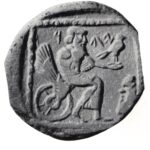 Yahweh
In addition to the Hebrew Bible, the Leviathan appears in ancient Mesopotamian mythology. The Babylonian creation myth, known as the Enuma Elish, features a goddess named Tiamat, who is often compared to Leviathan. Tiamat is a primordial sea serpent who represents the chaotic forces of the ocean. The struggle between Tiamat and the god Marduk symbolizes the battle between chaos and order, a theme that resonates with the story of Leviathan. This connection highlights the common themes of creation and destruction that permeate Middle Eastern mythology.
Symbolism and Interpretations
The Leviathan is rich in symbolism, representing the dual nature of existence. On one hand, it is a symbol of chaos and destruction, embodying the untamed forces of the natural world. On the other hand, it can also represent divine power and authority. In many cultures, the ability to conquer or control Leviathan is seen as a demonstration of strength and divine favor. This duality makes the Leviathan a complex figure in mythology, one that can be interpreted in various ways depending on the cultural context.
In Jewish mysticism, the Leviathan takes on a more nuanced role. It is sometimes viewed as a creature that will be served to the righteous in the Messianic age, symbolizing the ultimate triumph of good over evil. This interpretation reflects the belief that chaos can be transformed into order, and that the destructive forces of the world can ultimately serve a greater purpose. The Leviathan, in this sense, becomes a symbol of hope and redemption.
 Ninsusinak
Leviathan in Literature and Art
The imagery of the Leviathan has inspired countless works of literature and art throughout history. In the Christian tradition, the Leviathan is often depicted as a creature of evil, associated with sin and the devil. This interpretation can be seen in various biblical illustrations and interpretations, where the Leviathan is portrayed as a monstrous adversary to be defeated. Such depictions reflect the broader themes of good versus evil that are prevalent in religious narratives.
One of the most famous literary references to the Leviathan comes from Thomas Hobbes, who used the term in his political philosophy. In his work “Leviathan,” Hobbes compares the state to a giant sea monster that demands obedience from its subjects. This metaphor emphasizes the power and authority of the state, likening it to the fearsome creature of mythology. By using the Leviathan as a symbol for government, Hobbes underscores the importance of social order and the dangers of chaos.
Modern Interpretations of Leviathan
In contemporary discussions, the Leviathan continues to hold significance in various fields, including politics, literature, and psychology. The creature is often invoked as a metaphor for large, uncontrollable forces, whether they be governments, corporations, or societal changes. The idea of a Leviathan as a representation of overwhelming power resonates with many people today, especially in an age where individuals often feel powerless against larger systems.
 Yhwh
YhwhMoreover, the Leviathan has found its way into popular culture, appearing in movies, video games, and literature. Its image as a monstrous sea creature continues to captivate audiences, reflecting our ongoing fascination with the unknown and the powerful forces of nature. These modern interpretations often play with the idea of the Leviathan as both a fearsome adversary and a misunderstood creature, adding layers to its mythological significance.
Leviathan in Religious Texts
In religious texts, the Leviathan is often depicted as a creature that serves as a reminder of God’s power and the limitations of humanity. In the Book of Isaiah, for example, the Leviathan is described as a “twisted serpent” that will be slain by God in the last days. This imagery reinforces the idea that even the most powerful creatures of chaos are ultimately subject to divine authority. Such narratives serve to comfort believers, reminding them that no matter how daunting the forces of chaos may seem, they are ultimately under the control of a higher power.
In Islamic tradition, there are also references to a great sea creature, although it is not always identified as Leviathan. The Quran speaks of various creatures in the sea and the wonders of God’s creation. While the exact parallels may vary, the themes of power and the unknown remain central. The awe-inspiring nature of the ocean and its creatures continues to inspire reverence and fear, echoing the sentiments found in other Middle Eastern mythologies.
Leviathan in Folklore
The Leviathan has also found a place in various forms of folklore throughout the Middle East. Stories of great sea monsters abound in many cultures, often serving as cautionary tales about the dangers of the ocean. In these tales, the Leviathan is sometimes depicted as a guardian of the sea, protecting treasures and punishing those who dare to disturb its domain. These narratives reflect the deep connection that cultures have with the sea and the respect it commands.
Folk tales often highlight the relationship between humans and the natural world, illustrating the balance that must be maintained. The Leviathan, as a creature of immense power, serves as a reminder of the consequences of hubris and the need for humility in the face of nature’s might. Such stories continue to resonate with audiences today, reinforcing the timeless themes of respect for the environment and the mysteries of the unknown.
Comparative Mythology
When examining the figure of Leviathan through the lens of comparative mythology, one can find striking similarities between it and other mythological sea monsters. For example, in Greek mythology, the creature known as Typhon shares many characteristics with Leviathan. Both are associated with chaos and destruction, embodying the fears that ancient cultures had regarding the untamed forces of nature. Typhon, like Leviathan, is often depicted as a monstrous being that challenges the gods.
Similarly, in Norse mythology, the serpent Jörmungandr, or the Midgard Serpent, also represents chaos and the primal forces of the ocean. Jörmungandr is said to encircle the Earth, and its battle with the god Thor symbolizes the eternal struggle between order and chaos. The parallels between these mythological creatures highlight the universal themes found in human storytelling, where the forces of nature are often personified as powerful beings that must be confronted.
The Leviathan in Popular Culture
In recent years, the image of the Leviathan has been embraced by popular culture, appearing in a variety of media forms. Films, television shows, and video games have drawn inspiration from the myth, creating their own interpretations of the creature. These modern depictions often emphasize the Leviathan’s terrifying aspects, showcasing its immense size and power. Such portrayals serve to remind audiences of the awe and fear that the ocean can evoke, reflecting humanity’s ongoing relationship with the natural world.
Moreover, the Leviathan has become a popular symbol in various subcultures, representing rebellion against authority and the struggle for freedom. In literature and art, the creature is sometimes used to symbolize the fight against oppressive systems, resonating with those who feel marginalized or powerless. This reinterpretation of the Leviathan as a symbol of resistance adds a contemporary layer to its mythological significance, showcasing its adaptability and relevance in today’s society.
Conclusion: The Enduring Legacy of Leviathan
The legacy of the Leviathan is a testament to its enduring power in the collective imagination. As a symbol of chaos, power, and the unknown, it continues to captivate and inspire. Whether in ancient texts or modern interpretations, the Leviathan serves as a reminder of the complex relationship between humanity and the forces of nature. Its multifaceted nature allows it to transcend time and culture, making it a timeless figure in the realm of mythology.
As we explore the depths of Middle Eastern mythology, the Leviathan stands out as a significant figure that embodies the struggles and triumphs of existence. Its story resonates with themes of creation, destruction, and the eternal battle between order and chaos. Through its various representations, the Leviathan remains a powerful symbol that challenges us to confront our fears and embrace the mysteries of the world around us.