
Kremata is a fascinating figure in Lithuanian mythology, representing the darker aspects of the natural world. In Lithuanian folklore, Kremata is often associated with death and the afterlife, embodying the spiritual connection between the living and the dead. This mythological character is not just a mere figure of fear; rather, Kremata plays a crucial role in the cultural understanding of mortality and the rituals that accompany it. Throughout the ages, Kremata has been depicted in various forms, often portrayed as a female entity with the power to influence the fate of souls. Understanding Kremata provides insight into how the Lithuanians have historically viewed life, death, and the supernatural.
Origins of Kremata
 Keliu Dievas
The origins of Kremata can be traced back to ancient Baltic traditions. Early Lithuanians believed in a variety of deities and spirits, each with specific roles in the natural and supernatural worlds. Kremata is often linked to the goddess of death, reflecting the human fear of mortality and the unknown. As a figure of mythological significance, Kremata is thought to have emerged from the collective consciousness of a society that sought to understand the mysteries of life and death. This figure embodies the duality of existence, representing both the end of life and the continuation of the spirit.
Many legends and stories about Kremata have been passed down through generations, often told by elders during long winter nights. These stories serve not only to entertain but also to educate younger generations about the importance of respecting the dead and honoring their memory. The tales often depict Kremata as a guide for souls, leading them to the afterlife. This role highlights the belief that death is not an end but a transition, a concept that resonates deeply in Lithuanian culture.
Characteristics of Kremata
Kremata is often described as a tall, ethereal figure draped in dark robes. Her appearance is intended to evoke a sense of mystery and reverence. In some stories, she is depicted with long hair that flows like shadows, further emphasizing her connection to the spiritual realm. The darkness associated with Kremata does not necessarily symbolize evil; rather, it represents the unknown and the complexities of life and death. This duality is essential to understanding her character and the lessons she embodies.
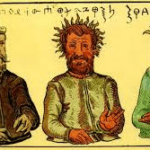 Kovas
KovasOne of Kremata’s defining characteristics is her ability to communicate with the dead. In various myths, she is portrayed as a mediator between the living and the deceased, helping to guide souls to their final resting places. This role underscores the importance of rituals and ceremonies in Lithuanian culture, as they serve to honor the dead and ensure a smooth transition to the afterlife. Kremata’s presence in these stories emphasizes the need for respect and understanding of the spiritual world.
Kremata in Rituals and Ceremonies
Kremata plays a significant role in many Lithuanian rituals related to death and mourning. Traditional ceremonies often include offerings to Kremata, asking for her guidance and protection for the souls of the departed. These rituals are deeply ingrained in the cultural fabric of Lithuania, reflecting a profound respect for the dead. Families often gather to perform these rituals, reinforcing community bonds and shared beliefs about the afterlife.
- Funeral Rites: During funerals, Kremata is invoked to ensure that the deceased is guided safely to the afterlife.
- Memorial Services: On anniversaries of a loved one’s death, families may hold memorial services that include prayers to Kremata.
- Harvest Festivals: Some harvest festivals also pay homage to Kremata, acknowledging the cycle of life and death in nature.
These rituals often include symbolic gestures, such as lighting candles or leaving food offerings, to honor Kremata and the spirits of the deceased. The belief is that these acts will appease Kremata, ensuring that she watches over the souls of the departed. This practice highlights the interconnectedness of life and death in Lithuanian culture, illustrating how the living continue to honor those who have passed.
 Kaupolis
Legends and Stories about Kremata
Numerous legends surround Kremata, each adding depth to her character and illustrating her significance in Lithuanian mythology. One popular story tells of a young girl who encountered Kremata while wandering in the forest. The girl was lost and frightened, but Kremata appeared to her, offering guidance. In this tale, Kremata teaches the girl about the importance of respecting the dead and the natural world. The story serves as a reminder that Kremata is not just a figure of fear, but also a source of wisdom.
Another well-known legend involves a farmer who ignored the rituals dedicated to Kremata. After the death of a loved one, he refused to honor their memory, believing that he could move on without looking back. However, Kremata appeared to him in a dream, warning him of the consequences of his neglect. This dream prompted the farmer to perform the necessary rituals, illustrating the importance of acknowledging death and the afterlife in maintaining harmony with the spiritual world.
Kremata’s Symbolism in Lithuanian Culture
Kremata embodies several important themes in Lithuanian culture, particularly the relationship between the living and the dead. She symbolizes the inevitable nature of death and the importance of respecting those who have passed. In a society where ancestral connections are highly valued, Kremata serves as a reminder that the dead continue to play a role in the lives of the living. This belief fosters a sense of continuity and connection, encouraging individuals to honor their heritage and the memories of their ancestors.
Additionally, Kremata represents the cyclical nature of life. Just as the seasons change, so too do the stages of life and death. This understanding is deeply rooted in Lithuanian traditions, where nature is revered as a powerful force. Kremata’s association with the afterlife reinforces the idea that death is a part of the natural cycle, encouraging acceptance and respect for the inevitable.
Modern Interpretations of Kremata
In contemporary Lithuania, Kremata continues to be a relevant figure, often appearing in literature, art, and popular culture. Modern interpretations of Kremata reflect a blend of traditional beliefs and contemporary understanding of death and spirituality. Many artists and writers draw inspiration from her character, exploring themes of loss, memory, and the human experience. This ongoing fascination with Kremata highlights the enduring power of mythology in shaping cultural identity.
Moreover, Kremata’s role in modern discussions about death and dying has gained attention. As society becomes more open to conversations about mortality, Kremata serves as a symbol of the importance of honoring the dead and embracing the spiritual aspects of life. Workshops, literature, and community events often reference Kremata, encouraging individuals to reflect on their own beliefs about death and the afterlife.
Conclusion: The Enduring Legacy of Kremata
The figure of Kremata in Lithuanian mythology represents a rich tapestry of beliefs surrounding death, the afterlife, and the connection between the living and the dead. Her characteristics, stories, and the rituals associated with her highlight the importance of honoring those who have passed and understanding the natural cycles of life. As modern interpretations of Kremata continue to emerge, her legacy remains a vital part of Lithuanian culture, reminding us of the profound relationship we share with the spiritual world.