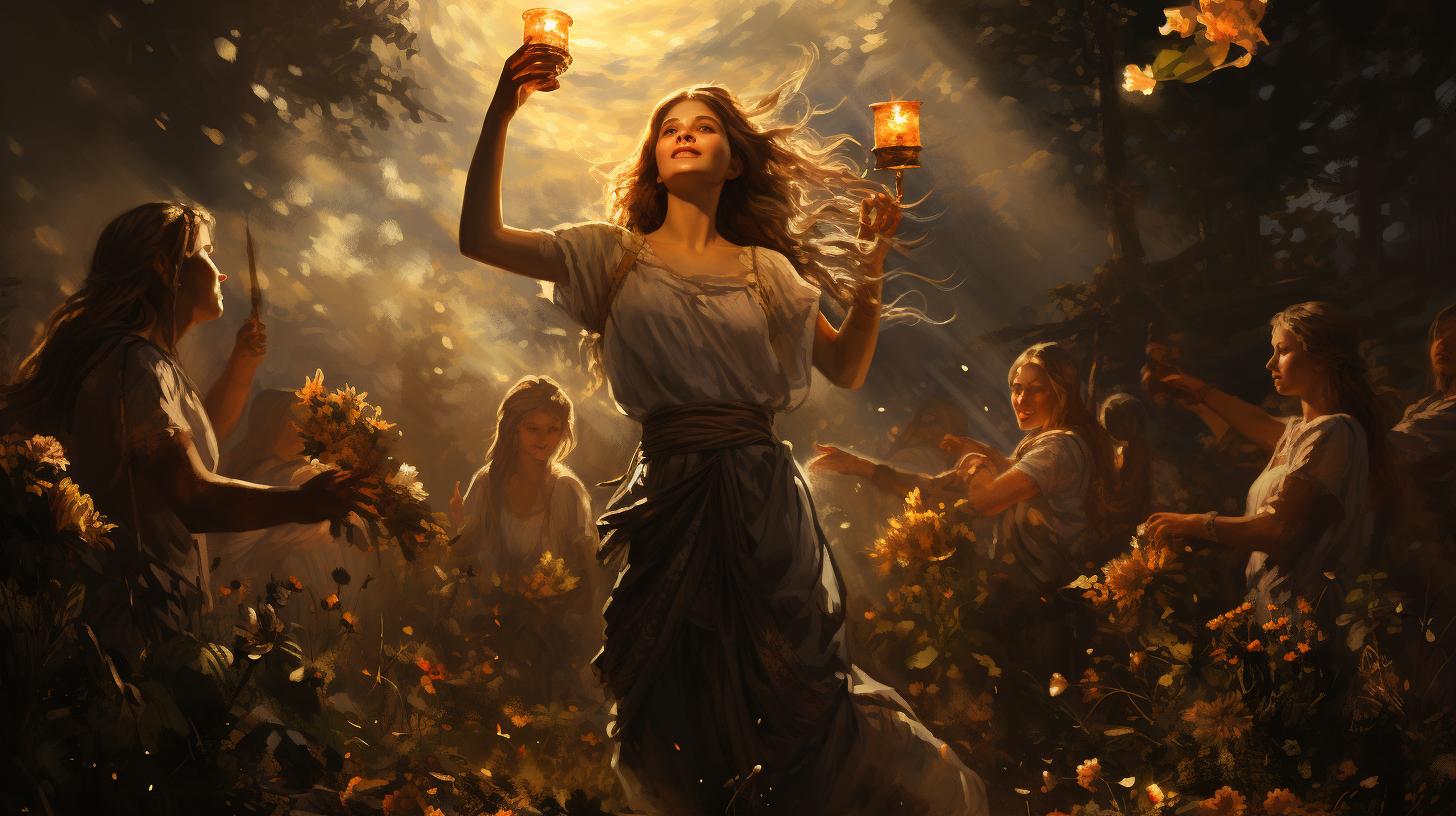
In Slavic mythology, Kupala is a significant figure associated with summer solstice celebrations. This figure represents the essence of nature, fertility, and the joy of life during the longest day of the year. Kupala is often linked to various rituals and festivities that celebrate the arrival of summer, bringing together themes of love, fire, and water. The rituals associated with Kupala are not only a way to honor nature but also a means to strengthen community bonds through shared experiences and celebrations.
The Origins of Kupala
The name Kupala is derived from the Slavic word for “to bathe.” This association highlights the importance of water in the rituals and celebrations that occur during this time. Water symbolizes purity, cleansing, and rebirth, making it a vital element in the Kupala festivities. The origins of Kupala can be traced back to ancient pagan traditions, where people would honor the natural cycles of life and death. As Christianity spread across Eastern Europe, many of these pagan customs were integrated into Christian celebrations, resulting in a blend of beliefs and practices.
 Kremara
In Slavic folklore, Kupala is often depicted as a beautiful young woman, representing the spirit of summer and the beauty of nature. She is associated with the goddess of love and fertility, which is evident in the various rituals performed during the Kupala night. These rituals often include the lighting of bonfires, jumping over flames, and the gathering of herbs, all of which are believed to bring good luck, health, and prosperity to participants. The figure of Kupala embodies the vitality and energy of the summer season, making her a beloved figure in Slavic mythology.
Kupala Night Celebrations
Kupala Night, celebrated on the evening of the summer solstice, is one of the most important festivals in Slavic culture. The celebrations are marked by various customs and rituals that have been passed down through generations. One of the most notable traditions is the lighting of bonfires, which symbolizes the sun’s power and the warmth of summer. People gather around these fires to sing, dance, and share stories, creating a sense of community and joy.
Another significant aspect of Kupala Night is the practice of herb gathering. Young girls would venture into the forest to collect various herbs and flowers, which were believed to possess magical properties. These herbs were often used to create wreaths, which girls would wear on their heads or float down rivers. The act of floating wreaths on water is a symbolic gesture of seeking love and finding a suitable partner. It is said that if a girl’s wreath floats away, she will find her true love, while if it sinks, she may need to wait a little longer.
 Koschei
Rituals and Symbolism
The rituals performed during Kupala Night are rich in symbolism and meaning. One of the most well-known rituals is the jumping over the fire. This act is believed to purify participants and bring good fortune. Couples often jump together as a way to strengthen their bond and ensure a prosperous relationship. The flames are seen as a protective force, warding off evil spirits and bringing blessings to those who partake in the ritual.
Water also plays a crucial role in Kupala celebrations. People often engage in water-related activities, such as swimming or splashing each other, to celebrate the cleansing and rejuvenating properties of water. In many Slavic cultures, water is considered sacred, and rituals involving water are believed to bring health and happiness. The combination of fire and water during Kupala Night symbolizes the balance of opposing forces in nature, highlighting the harmony that exists in the world.
The Role of Nature in Kupala
Nature is at the heart of the Kupala celebrations, as the festival coincides with the peak of summer. The lush greenery, blooming flowers, and vibrant colors of the season serve as a backdrop for the festivities. The connection to nature is a vital aspect of Slavic culture, and Kupala Night emphasizes this bond through various activities and rituals. Many participants express their gratitude to nature for its abundance and beauty during this time.
 Koliada
The natural elements, such as fire, water, and earth, are revered during the Kupala celebrations. Each element holds its own significance and contributes to the overall spirit of the festival. Fire represents transformation and renewal, while water symbolizes purity and life. The earth serves as a reminder of the importance of fertility and growth. Together, these elements create a powerful synergy that reflects the essence of summer and the joy of living in harmony with nature.
Kupala in Modern Times
In contemporary society, the celebration of Kupala has evolved, but many traditional practices remain intact. Communities continue to gather for festivities, honoring their heritage while adapting to modern lifestyles. The lighting of bonfires, dancing, and singing are still prevalent, as people seek to connect with their roots and celebrate the beauty of summer. Many cities and towns organize public events, bringing together individuals from diverse backgrounds to participate in the celebrations.
In recent years, there has been a resurgence of interest in traditional Slavic customs, including Kupala. People are increasingly recognizing the importance of preserving cultural heritage and participating in communal celebrations. This revival has led to a greater appreciation for the rituals and symbolism associated with Kupala, as well as a renewed sense of identity among Slavic communities.
Regional Variations of Kupala
While the core elements of Kupala Night are consistent across Slavic cultures, there are notable regional variations in the way the festival is celebrated. In Russia, for instance, the celebration is known as Ivan Kupala, named after the Christian saint John the Baptist. The traditions in Russia often include more elaborate rituals, such as fortune-telling and the use of specific herbs believed to have protective qualities.
In Ukraine, Kupala is celebrated with a focus on the agricultural aspects of summer. The rituals often include the blessing of fields and the use of wheat and other grains in various ceremonies. The emphasis on fertility and harvest reflects the deep connection that Ukrainian culture has with the land and its resources. In Poland, the celebration is known as Noc Kupały, and it includes unique customs such as the floating of wreaths on water, which symbolizes the search for love and connection.
Mythical Creatures and Legends
The mythology surrounding Kupala is rich with tales of mythical creatures and legends. One of the most famous is the Rusalka, a water spirit often associated with the Kupala celebrations. Rusalki are believed to be the souls of young women who died tragically, and they are said to emerge from the water during the summer months. They are often depicted as beautiful but dangerous, luring young men to their doom. The connection between Rusalki and Kupala highlights the duality of nature—its beauty and its potential danger.
Another legendary figure associated with Kupala is the Vodyanoy, a male water spirit who is often portrayed as a guardian of rivers and lakes. He is known for his mischievous nature, sometimes helping those who respect nature while punishing those who do not. The Vodyanoy serves as a reminder of the importance of living in harmony with the natural world, a theme that resonates deeply during the Kupala celebrations.
Kupala and the Cycle of Life
The Kupala festival is not just a celebration of summer; it also represents the cycle of life. The rituals and customs observed during this time emphasize themes of birth, growth, death, and rebirth. Participants honor the life-giving forces of nature while acknowledging the inevitability of change and transformation. This cyclical perspective is central to Slavic mythology, where the interconnectedness of all living things is a fundamental belief.
The symbolism of Kupala extends beyond the physical aspects of nature. It reflects the emotional and spiritual journeys of individuals as they navigate their own lives. The rituals of jumping over fire and floating wreaths serve as metaphors for overcoming challenges and seeking love and connection. The celebration of Kupala encourages participants to embrace change, celebrate their relationships, and find joy in the fleeting moments of life.
Art and Literature Inspired by Kupala
The influence of Kupala can be seen in various forms of art and literature throughout Slavic culture. Many poets, writers, and artists have drawn inspiration from the themes of love, nature, and transformation that are central to the Kupala celebrations. The beauty of the natural world during summer is often depicted in paintings, capturing the vibrant colors and the essence of life that the season brings.
In literature, Kupala has been a recurring theme, symbolizing the search for identity, love, and connection with nature. Many authors have used the imagery of Kupala to explore the complexities of human relationships and the interplay between nature and society. These artistic expressions serve to preserve the cultural significance of Kupala while also inviting new interpretations and understandings of its meaning.
The Future of Kupala Celebrations
As society continues to evolve, the future of Kupala celebrations remains a topic of interest. Many communities are committed to preserving their cultural heritage while also adapting to modern realities. The integration of traditional customs with contemporary practices can help keep the spirit of Kupala alive for future generations. Educational initiatives and cultural events play a crucial role in this preservation, allowing younger generations to connect with their roots.
Moreover, the growing interest in sustainable living and environmental awareness aligns with the core values of Kupala. The festival’s emphasis on nature and the cycles of life resonates with contemporary movements focused on ecological responsibility. As people seek to reconnect with the natural world, the celebration of Kupala offers a meaningful way to honor the environment and the traditions that celebrate its beauty.
The story of Kupala is a testament to the enduring power of nature, community, and cultural heritage. As the summer solstice approaches, people continue to gather, celebrate, and honor the traditions that have shaped their identities. The rituals, symbols, and stories associated with Kupala serve as a reminder of the beauty and complexity of life, encouraging individuals to embrace their connections to one another and to the natural world.