
Kremara is a fascinating figure in Slavic mythology, known for her connection to the natural world and the cycles of life. She is often associated with the changing seasons, particularly the transition from winter to spring. In many Slavic cultures, Kremara is revered as a goddess of fertility and rebirth, embodying the essence of nature’s renewal. Her presence is celebrated during various festivals that mark the end of winter and the arrival of warmer days, symbolizing hope and new beginnings. The stories surrounding Kremara reveal much about the values and beliefs of ancient Slavic societies, particularly their relationship with nature and the importance of agriculture.
Origins of Kremara
The origins of Kremara can be traced back to ancient Slavic beliefs that revolved around the worship of nature. In many tales, she is depicted as a powerful female figure who governs the fertility of the earth. The name Kremara itself is thought to derive from ancient Slavic words that mean “to nurture” or “to grow.” This connection to growth is crucial, as it highlights her role in the agricultural cycle, where she is seen as a protector of crops and livestock. People believed that by honoring Kremara, they could ensure a bountiful harvest and the prosperity of their communities.
 Koschei
In various myths, Kremara is often depicted alongside other deities, such as Perun, the god of thunder, and Mokosh, the goddess of fertility. These figures represent different aspects of life and nature, and their interactions with Kremara illustrate the interconnectedness of all things in the Slavic worldview. The stories often emphasize the balance between male and female forces in nature, showcasing how Kremara’s nurturing qualities complement the strength of male deities. This balance is a fundamental aspect of Slavic mythology, reflecting a deep respect for the duality present in the world.
Kremara’s Role in Nature
Kremara’s influence extends beyond agriculture; she is also seen as a guardian of the natural world. In many Slavic cultures, she is believed to be responsible for the health of forests, rivers, and animals. This connection to nature reinforces her status as a vital figure in Slavic mythology. People would often invoke her name when seeking protection for their lands or animals, hoping that she would bless them with abundance and health. This practice illustrates the reverence that ancient Slavs had for nature and the belief that deities like Kremara played an active role in their daily lives.
During the spring equinox, festivals dedicated to Kremara would take place, celebrating the return of life after the harsh winter months. These celebrations often included rituals such as planting seeds, decorating homes with flowers, and performing dances to honor her. The rituals served to strengthen the community’s bond with nature and remind them of the importance of nurturing their environment. Such festivals were not only a way to honor Kremara but also a means to ensure the survival and prosperity of the community through the coming year.
 Koliada
Festivals and Celebrations
The festivals celebrating Kremara varied from region to region, but they all shared common themes of renewal and fertility. One of the most prominent festivals was the celebration of Maslenitsa, a week-long festival marking the end of winter and the beginning of spring. During this time, people would gather to feast, dance, and participate in various games and activities. Traditional foods, such as pancakes, were prepared as offerings to Kremara, symbolizing the sun’s warmth and the hope for a good harvest.
- Maslenitsa: A week-long celebration with feasting and games.
- Spring Equinox: Rituals to honor Kremara’s return.
- Harvest Festivals: Celebrations to thank Kremara for bountiful crops.
Another important celebration was the Spring Equinox, where rituals were performed to welcome Kremara back from her winter slumber. People would gather in fields, plant seeds, and sing songs to encourage her to bless their crops. The equinox symbolized the balance between light and darkness, and the community would come together to reflect on their connection to the earth. These celebrations were vital in reinforcing cultural identity and ensuring the continuation of traditions that honored Kremara and the natural world.
Symbolism and Iconography
Kremara is often depicted in various forms of art and iconography, showcasing her connection to nature and fertility. She is commonly represented as a woman adorned with flowers, symbolizing the beauty and vibrancy of spring. In some depictions, she is shown holding a cornucopia, overflowing with fruits and grains, signifying abundance and prosperity. This imagery serves to remind the people of her nurturing qualities and the blessings she brings to the earth.
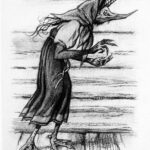 Kikimora
In addition to her floral representations, Kremara is sometimes associated with animals, particularly those that symbolize fertility, such as rabbits and birds. These animals serve as reminders of the life cycles that Kremara oversees, highlighting her role as a guardian of all living things. The presence of these symbols in art and folklore reflects the deep respect that ancient Slavs had for Kremara and the natural world, as well as their understanding of the interconnectedness of all life.
Kremara in Modern Culture
Even in contemporary times, Kremara’s influence can be seen in various aspects of Slavic culture. Many modern festivals still celebrate the arrival of spring, echoing the traditions of ancient rituals dedicated to Kremara. These celebrations often incorporate traditional music, dance, and food, creating a sense of community and connection to the past. The enduring presence of Kremara in modern culture reflects the lasting impact of Slavic mythology on contemporary identities and practices.
Additionally, Kremara’s story continues to inspire artists, writers, and musicians who draw from her symbolism to create new works. The themes of renewal, fertility, and the cyclical nature of life resonate with many people today, making Kremara a relevant figure in discussions about environmentalism and sustainability. By reconnecting with the values embodied by Kremara, individuals and communities can foster a deeper appreciation for nature and the importance of nurturing the earth.
The legacy of Kremara in Slavic mythology serves as a reminder of the profound relationship between humans and the natural world. Her role as a goddess of fertility and renewal highlights the importance of honoring nature and recognizing the cycles of life. Through festivals, rituals, and modern interpretations, Kremara’s influence continues to thrive, ensuring that her story remains an integral part of Slavic cultural heritage. By embracing the values associated with Kremara, people can cultivate a greater understanding of their connection to the earth and the importance of preserving its beauty for future generations.