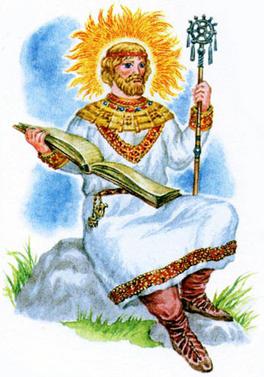
Koliada is a fascinating figure within Slavic mythology, deeply rooted in the traditions and customs of the Slavic peoples. This celebration, often associated with the winter solstice, embodies the themes of rebirth, light, and the cyclical nature of life. Koliada represents not only the arrival of the new year but also the return of the sun after the long, dark winter months. The rituals and festivities surrounding Koliada are rich in symbolism and cultural significance, providing insights into the ancient beliefs of the Slavic tribes.
The Origins of Koliada
The origins of Koliada can be traced back to ancient Slavic pagan practices. The word “Koliada” itself is believed to derive from the term “kolo,” meaning “circle,” which symbolizes the cyclical nature of the seasons. This connection to the cycles of nature is fundamental to understanding Koliada’s significance. During this time, communities would gather to celebrate the return of light and warmth, marking the end of the harsh winter and the beginning of the agricultural year.
 Kikimora
Many historians and scholars argue that Koliada is linked to various solar deities worshipped by the Slavic people. These deities were often associated with the sun’s rebirth, which aligns with the themes of renewal present in the Koliada celebrations. The festivities typically coincide with the winter solstice, a time when the days begin to lengthen, signaling the return of the sun. This connection to solar worship highlights the importance of light and warmth in Slavic culture, as these elements were essential for survival during the long winters.
Koliada Celebrations and Rituals
The celebrations of Koliada are characterized by a variety of rituals and customs that vary across different Slavic regions. These festivities often include singing, dancing, and various forms of merriment, all aimed at welcoming the new year and the return of the sun. One of the most notable traditions is the singing of Koliada carols, which are performed by groups of people who visit homes in their communities. These carols often convey messages of good fortune and blessings for the coming year.
Another significant aspect of Koliada celebrations is the preparation of special foods. Traditional dishes are often prepared, and families gather to share meals together. Foods such as pancakes, dumplings, and porridge are common, symbolizing abundance and prosperity for the year ahead. The act of sharing food is not just a communal activity; it also represents a deep connection to the earth and the agricultural cycle, emphasizing gratitude for the harvest and the hope for future bounties.
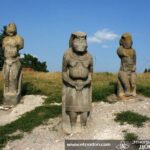 Kamennaia Baba
Key Elements of Koliada Festivities
- Singing and Carols: Groups of people gather to sing traditional Koliada songs, spreading joy and good wishes.
- Feasting: Families prepare and share special foods that symbolize abundance and prosperity.
- Bonfires: In some regions, bonfires are lit to symbolize the sun’s return and to ward off evil spirits.
- Masking and Costumes: Participants often wear masks and costumes, representing various spirits and deities.
The act of masking is another intriguing element of Koliada. Participants often don masks and costumes to represent various characters from Slavic folklore. This practice is believed to bring good luck and protection from malevolent spirits. The masks can vary widely, depicting animals, mythical creatures, or even abstract forms. This tradition not only adds a festive atmosphere to the celebrations but also serves as a way to connect with ancient beliefs and stories passed down through generations.
Regional Variations of Koliada
While Koliada is celebrated across the Slavic world, the specific customs and traditions can vary significantly from one region to another. In Russia, for example, Koliada is often celebrated with a series of rituals that include visiting neighbors and singing carols. The carolers may receive treats or small gifts in return, fostering a sense of community and goodwill. The emphasis on communal activities is a hallmark of Koliada celebrations in many Russian villages.
In contrast, in Ukraine, Koliada festivities often include a more elaborate theatrical component. Groups of performers may enact plays or skits that depict the journey of the sun or the story of Koliada herself. These performances are not only entertaining but also serve to educate younger generations about their cultural heritage. The intertwining of storytelling and celebration is a vital aspect of maintaining the traditions associated with Koliada.
 Koleda
Distinctive Features of Regional Celebrations
- Russia: Emphasis on community singing and visiting neighbors.
- Ukraine: Theatrical performances and storytelling are central to the celebrations.
- Poland: Unique customs involving the preparation of special foods and rituals.
- Czech Republic: Celebrations may include more Christian elements intertwined with pagan traditions.
In Poland, Koliada is celebrated with a focus on family gatherings and traditional foods. Families often prepare a special meal that includes a variety of dishes, each with its own significance. The sharing of the meal is accompanied by prayers and blessings for health and prosperity in the coming year. This aspect of Koliada underscores the importance of family and community in Slavic culture, highlighting the deep connections that exist within these social structures.
Koliada in Contemporary Society
In modern times, Koliada has experienced a revival as people seek to reconnect with their cultural roots. Many communities now organize Koliada festivals that incorporate both traditional and contemporary elements. These events often attract a diverse audience, including those who may not be of Slavic descent but are interested in learning about and participating in these rich traditions. This resurgence of interest is a testament to the enduring appeal of Koliada and its relevance in today’s society.
Furthermore, Koliada has also found its place in popular culture, with references appearing in literature, music, and art. Artists and musicians often draw inspiration from the themes of Koliada, incorporating its symbols and stories into their works. This blending of tradition and modernity serves to keep the spirit of Koliada alive, ensuring that future generations can appreciate and celebrate their cultural heritage.
Modern Celebrations of Koliada
- Festivals: Communities organize Koliada festivals featuring traditional music, dance, and crafts.
- Workshops: Educational workshops are held to teach participants about Koliada’s history and rituals.
- Art and Music: Contemporary artists create works inspired by Koliada themes and symbols.
- Community Gatherings: Local groups come together to celebrate with food, music, and storytelling.
Today, many cities around the world host Koliada-themed events, showcasing the diverse cultural heritage of the Slavic peoples. These gatherings often include music performances, art exhibitions, and food fairs, allowing participants to experience the richness of Slavic culture firsthand. Such events serve not only as a means of preserving traditions but also as a platform for cultural exchange, fostering understanding and appreciation among different communities.
The Significance of Koliada
The significance of Koliada extends beyond mere celebration; it embodies the values and beliefs of the Slavic peoples. At its core, Koliada represents the struggle against darkness and the hope for renewal. This theme resonates deeply within Slavic culture, where the cycles of nature are revered and celebrated. The rituals associated with Koliada serve as a reminder of the interconnectedness of life, the importance of community, and the enduring power of tradition.
Additionally, Koliada offers a space for reflection and gratitude. As communities come together to celebrate, they also take the time to acknowledge the challenges faced in the past year and to express hopes for the future. This aspect of Koliada is particularly poignant, as it emphasizes the resilience of the human spirit and the collective strength found within communities. It is a time to share stories, celebrate achievements, and support one another as they move forward into the new year.
Core Values Reflected in Koliada
- Community: The importance of coming together to celebrate and support one another.
- Gratitude: Acknowledging the past year’s challenges and blessings.
- Hope: Looking forward to the new year with optimism and renewed energy.
- Tradition: Preserving cultural heritage and passing it on to future generations.
Ultimately, Koliada serves as a powerful reminder of the resilience and adaptability of Slavic culture. As the world continues to change, the traditions associated with Koliada provide a sense of continuity and connection to the past. They remind us of the importance of community, the value of shared experiences, and the hope that comes with each new year.