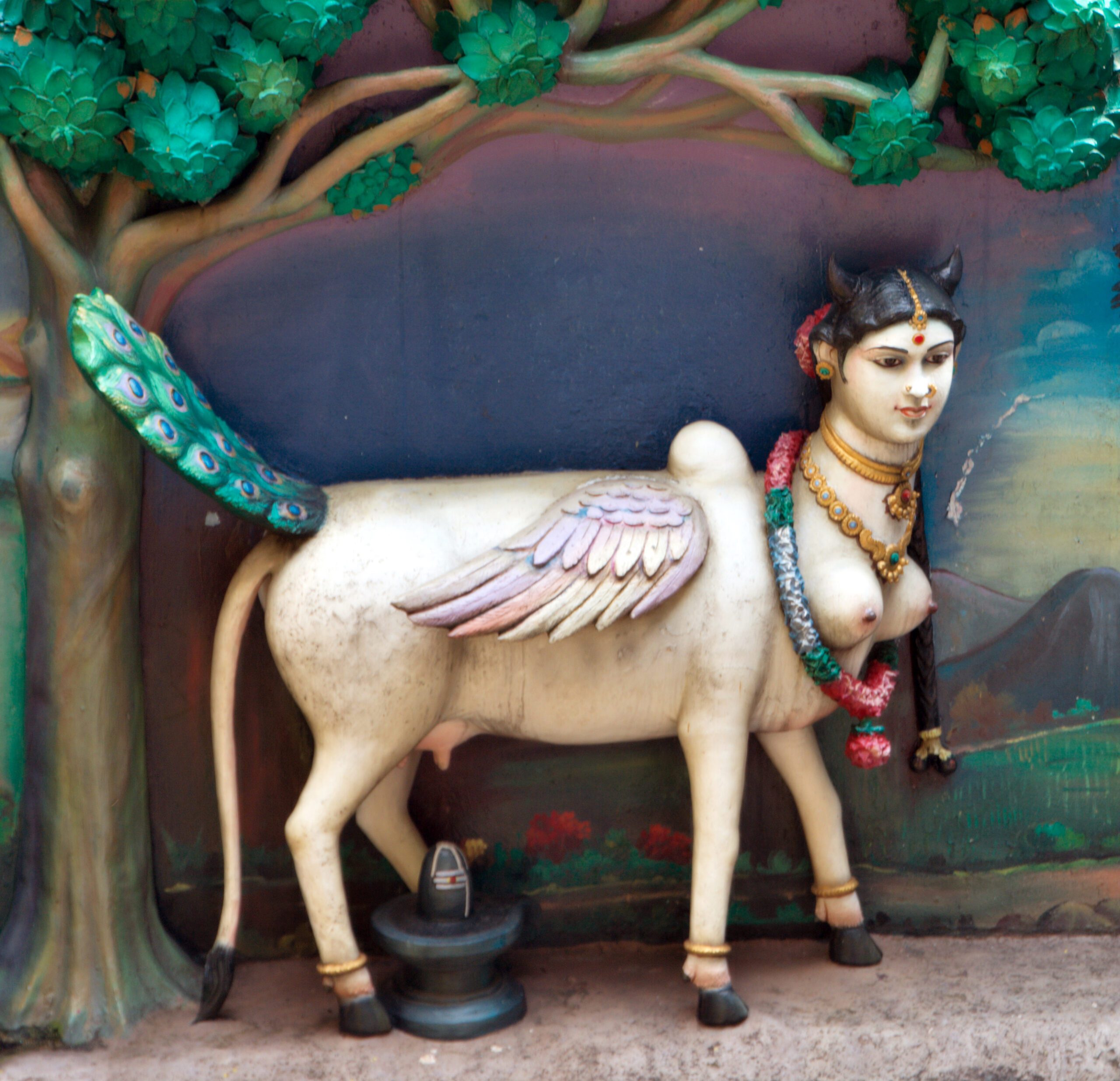
In Hindu mythology, Kamadhenu is known as the divine cow that fulfills all desires. This sacred animal holds a significant place in Hindu culture and is often revered for her ability to provide abundance and prosperity. Kamadhenu is not just an ordinary cow; she is considered a manifestation of the goddess Lakshmi, who represents wealth and fortune. The stories surrounding Kamadhenu are rich and varied, illustrating her importance in various texts and traditions. Throughout ancient scriptures, she is depicted as a source of nourishment and blessings for those who honor her.
Origins of Kamadhenu
The origins of Kamadhenu can be traced back to ancient Hindu texts, particularly the Rigveda. According to these scriptures, Kamadhenu emerged from the ocean of milk during the churning of the ocean, a cosmic event known as Samudra Manthan. This churning was conducted by the gods and demons in their quest for the nectar of immortality. As they churned the ocean, various treasures surfaced, and among them was Kamadhenu, the cow that symbolizes abundance. Her appearance was a sign of divine favor and a promise of prosperity for those who would care for her.
 Kama
KamaIn various texts, Kamadhenu is described as a celestial being, often depicted with the head of a cow and the body adorned with precious jewels. She is sometimes accompanied by her calf, Nandini, who is also considered sacred. This connection between Kamadhenu and Nandini further emphasizes the theme of nourishment and care in Hindu mythology. The stories about Kamadhenu not only highlight her physical beauty but also her divine powers, making her a central figure in the pantheon of Hindu deities.
Symbolism and Significance
Kamadhenu symbolizes a range of concepts in Hinduism, including prosperity, nourishment, and divine grace. Her ability to fulfill desires is seen as a metaphor for the human quest for abundance and happiness. In many households, images or idols of Kamadhenu are worshipped to invoke blessings and prosperity. Devotees believe that by honoring Kamadhenu, they can attract wealth, health, and happiness into their lives.
 Kalki
KalkiThe significance of Kamadhenu extends beyond material wealth. She is also viewed as a source of spiritual nourishment. In Hindu philosophy, the cow represents non-violence and compassion, and Kamadhenu embodies these ideals to the fullest. Her presence in mythology encourages followers to practice kindness and respect towards all living beings. This aspect of Kamadhenu serves as a reminder of the interconnectedness of life and the importance of living in harmony with nature.
Kamadhenu in Hindu Rituals
Kamadhenu plays a vital role in various Hindu rituals and ceremonies. In many communities, she is worshipped during festivals and special occasions. Offerings are made to her in the form of milk, ghee, and cooked rice. These offerings symbolize gratitude for the blessings received and serve as a way to invoke her divine presence. During rituals, devotees often chant mantras and hymns that praise Kamadhenu, seeking her blessings for prosperity and well-being.
In addition to personal worship, Kamadhenu is also celebrated in community events. Festivals dedicated to cows, such as Gudi Padwa and Makar Sankranti, often include special prayers and rituals for Kamadhenu. These occasions highlight the cultural significance of cows in Hindu society, reinforcing the idea that they are sacred and deserving of respect. The rituals associated with Kamadhenu remind followers of their responsibility towards nature and the importance of protecting and caring for animals.
 Kali
KaliLegends and Stories of Kamadhenu
Numerous legends surround Kamadhenu, each illustrating her divine qualities and the blessings she bestows upon her devotees. One popular story involves the sage Vashistha, who was gifted Kamadhenu by the gods. Vashistha was known for his wisdom and devotion, and the cow became a symbol of his spiritual power. With Kamadhenu by his side, Vashistha could perform miracles, providing food and sustenance to those in need. This story emphasizes the idea that true abundance comes from a connection to the divine and a life of righteousness.
Another significant tale involves the demon King Ravana, who tried to steal Kamadhenu from Vashistha. Ravana, known for his strength and cunning, believed that possessing Kamadhenu would make him invincible. However, Vashistha, with the help of Kamadhenu, was able to protect her and thwart Ravana’s plans. This story highlights the theme of good versus evil, showing how divine blessings can overcome even the most formidable challenges.
Kamadhenu in Art and Culture
The image of Kamadhenu has been a source of inspiration for countless artists and craftsmen throughout history. She is often depicted in sculptures, paintings, and textiles, symbolizing abundance and divine grace. In traditional Indian art, Kamadhenu is portrayed with intricate designs, showcasing her beauty and significance. Many temples feature carvings of Kamadhenu, serving as a reminder of her divine presence in the lives of devotees.
In modern times, Kamadhenu continues to be a prominent figure in popular culture. She is often referenced in literature, films, and television shows that explore Hindu mythology. These representations help to keep the stories and teachings surrounding Kamadhenu alive in contemporary society, allowing new generations to connect with their cultural heritage. The ongoing reverence for Kamadhenu in art and culture demonstrates her enduring significance in Hindu life.
Kamadhenu and Environmental Awareness
In recent years, the figure of Kamadhenu has taken on new importance in discussions about environmental awareness and animal rights. As a symbol of compassion and nurturing, she represents the need for a harmonious relationship between humans and nature. Many environmentalists draw inspiration from Kamadhenu’s teachings, advocating for the protection of cows and other animals. This perspective encourages individuals to consider their impact on the environment and to practice sustainable living.
Organizations focused on animal welfare often reference Kamadhenu in their campaigns, highlighting her status as a sacred being in Hinduism. By promoting respect for all living creatures, these groups aim to foster a sense of responsibility among individuals and communities. The legacy of Kamadhenu as a provider and nurturer serves as a powerful reminder of the importance of caring for the planet and its inhabitants.
Kamadhenu’s legacy continues to inspire countless individuals, reminding them of the virtues of generosity, compassion, and respect for nature. Through her stories, rituals, and symbolism, she serves as a guide for those seeking to lead a life of abundance and harmony. As we reflect on the teachings of Kamadhenu, we are encouraged to embrace these values and strive for a better world.