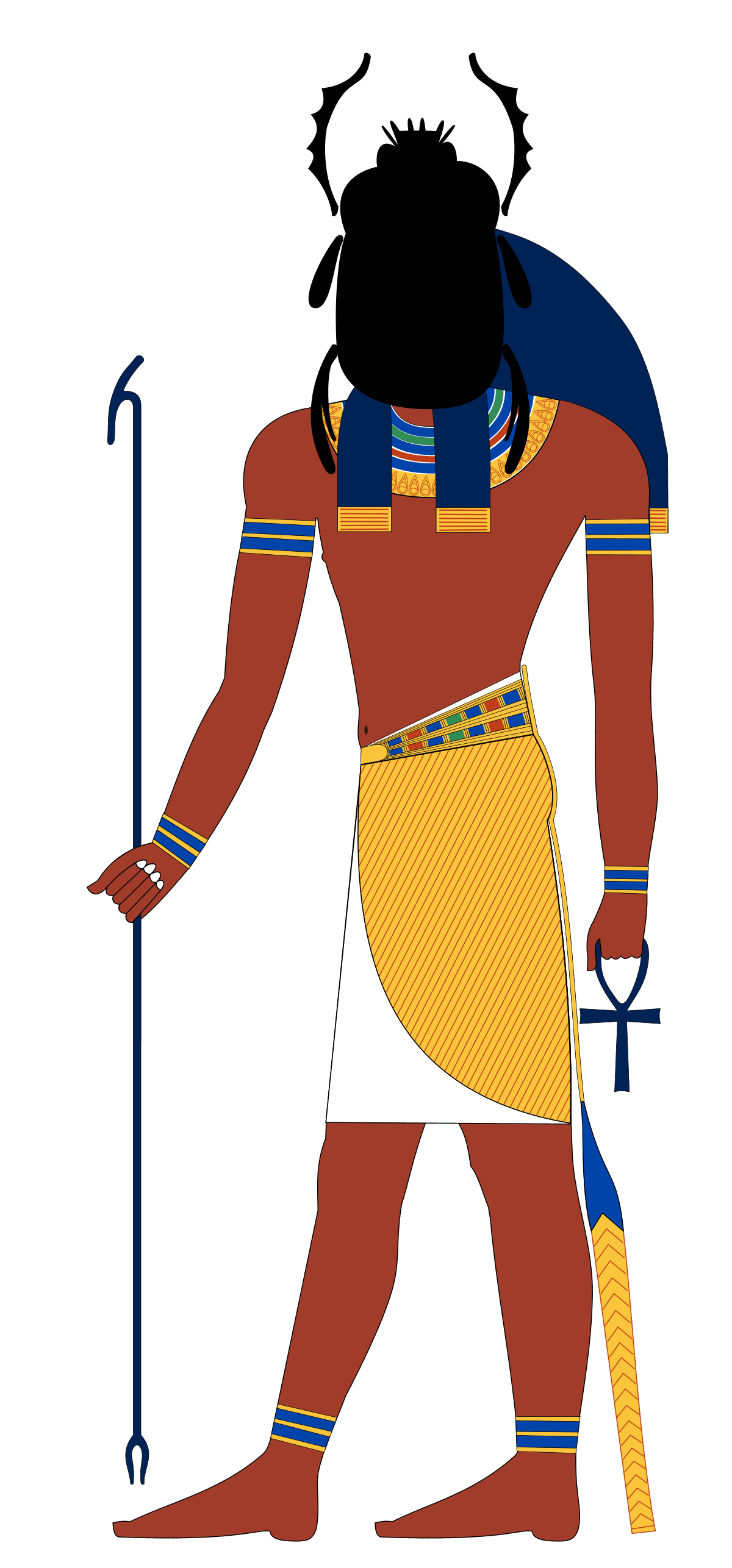
Khepri is a significant figure in Egyptian mythology, representing the concept of rebirth and the morning sun. Often depicted as a man with a scarab beetle for a head, Khepri embodies the transformative power of the sun as it rises each day. The scarab beetle is a powerful symbol in ancient Egypt, associated with creation and the cycle of life. Khepri is not just a deity of the sun; he also plays a crucial role in the daily journey of the sun god Ra, making him a vital part of the Egyptian cosmology.
The Symbolism of Khepri
The symbolism of Khepri is rich and multifaceted. The scarab beetle, which he represents, is known for rolling balls of dung, which the ancient Egyptians saw as a metaphor for the sun being rolled across the sky. This act of rolling is symbolic of the continuity of life and the cycle of creation. Khepri’s connection to the scarab also highlights the importance of transformation and renewal in nature. Just as the beetle emerges from the dung ball, Khepri signifies the emergence of the sun each morning, bringing light and life to the world.
 Khenti-kheti
Khepri’s role in Egyptian mythology is often associated with the cosmic order. The ancient Egyptians believed that the sun traveled through the underworld at night, where it faced various challenges. Khepri, representing the dawn, signifies the triumph of light over darkness. This daily cycle was a source of hope and reassurance for the Egyptians, symbolizing that no matter how dark the night may be, the sun will rise again. This cyclical nature of existence is a fundamental belief in Egyptian culture, where life and death are seen as part of a larger continuum.
Khepri and the Sun God Ra
Khepri is often depicted as a manifestation of the sun god Ra, particularly during the morning. In the mythology, Ra travels through the sky during the day and descends into the underworld at night. Khepri is the aspect of Ra that emerges in the morning, representing the sun’s rebirth each day. This relationship illustrates the idea that Khepri is not only a standalone deity but also a vital component of the larger solar mythology. The connection between Khepri and Ra emphasizes the importance of the sun in sustaining life and maintaining order in the universe.
The ancient Egyptians often created temples and monuments dedicated to both Khepri and Ra, highlighting their intertwined identities. The daily journey of Ra, which Khepri assists, symbolizes the struggle between light and darkness. This theme of duality is prevalent throughout Egyptian mythology, where gods and goddesses often embody opposing forces. Khepri’s emergence as the sun rises serves as a reminder of the perpetual battle against chaos, reinforcing the importance of harmony in the universe.
 Wadjet
The Cult of Khepri
- Khepri was worshiped primarily in the city of Heliopolis, a significant religious center in ancient Egypt.
- He was often associated with the New Kingdom and featured prominently in funerary texts.
- Priests of Khepri performed rituals to honor him and seek his blessings for rebirth and renewal.
The cult of Khepri was an integral part of Egyptian religious practices. Worship of Khepri was particularly strong in the city of Heliopolis, where the sun was revered as a source of life. The priests dedicated to Khepri performed various rituals, including offerings and prayers, to invoke his presence and seek his blessings for rebirth and renewal. This connection to the cycle of life made Khepri a popular deity among the people, who looked to him for hope and guidance.
During the New Kingdom, Khepri’s importance grew, and he became a central figure in many funerary texts. These texts often depicted the journey of the deceased through the underworld, emphasizing the need for rebirth and transformation. Khepri’s role in this journey provided comfort to the ancient Egyptians, who believed that the sun god would guide them through the challenges of the afterlife. This belief reinforced the idea that death was not an end but a transition to a new beginning, much like the daily rising of the sun.
Artistic Representations of Khepri
The artistic representations of Khepri are diverse and fascinating. In many ancient Egyptian artworks, Khepri is depicted as a man with a scarab head, symbolizing his connection to the beetle. These images can be found in temples, tombs, and various artifacts, showcasing the reverence the Egyptians had for this deity. Khepri’s imagery often emphasizes his role in creation and rebirth, making him a prominent figure in both religious and cultural contexts.
 Book Of The Dead
In addition to his human form with a scarab head, Khepri is sometimes depicted as a full scarab beetle. These representations highlight the beetle’s association with life and transformation. Scarabs were commonly used in amulets and jewelry, serving as protective symbols for the living and the dead alike. The presence of Khepri in these artifacts signifies the importance of his blessings in ensuring a safe passage through life and the afterlife.
Significance of Scarab Amulets
- Scarab amulets were believed to bring good fortune and protection.
- They were often placed in tombs to ensure the deceased’s safe passage to the afterlife.
- The amulets served as a reminder of the cycle of life and rebirth.
Scarab amulets hold a special significance in the context of Khepri’s worship. These amulets were believed to bring good fortune and protection to the wearer. In ancient Egypt, it was common to place scarab amulets in tombs as a means of ensuring the deceased’s safe passage to the afterlife. The belief was that Khepri would guide and protect the soul on its journey, allowing it to be reborn into the next life.
The presence of scarab amulets in tombs and personal belongings also served as a reminder of the cycle of life and the promise of rebirth. By wearing or carrying these amulets, individuals sought to align themselves with Khepri’s transformative powers. This practice reflects the deep-rooted belief in the interconnectedness of life, death, and rebirth that permeated ancient Egyptian culture.
Khepri in Literature and Texts
Khepri’s influence extends beyond art and worship; he is also a prominent figure in ancient Egyptian literature and religious texts. The Pyramid Texts, which are some of the oldest religious writings in the world, mention Khepri in relation to the sun’s journey and the cycle of life. These texts served as a guide for the deceased, providing instructions for navigating the afterlife and invoking the protective powers of Khepri.
In these texts, Khepri is often associated with themes of creation and transformation. His role in the daily rising of the sun symbolizes the potential for renewal and the hope of a new beginning. The Pyramid Texts emphasize the importance of Khepri in the afterlife, suggesting that his blessings were essential for a successful transition to the next life. This literary connection further solidifies Khepri’s status as a vital deity within the Egyptian pantheon.
Other Important Texts
- The Book of the Dead features Khepri in spells aimed at ensuring safe passage for the deceased.
- Khepri’s role in creation is highlighted in various mythological stories.
- He is often invoked in rituals related to rebirth and renewal.
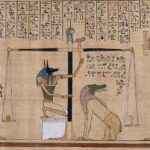
The Book of the Dead, another essential text in Egyptian literature, features Khepri prominently in spells designed to ensure safe passage for the deceased. These spells often invoke Khepri’s transformative powers, emphasizing his role in guiding souls through the challenges of the afterlife. The connection between Khepri and the afterlife reflects the deep-seated belief in the necessity of divine assistance during this critical transition.
Khepri’s role in creation is further explored in various mythological stories, where he is often depicted as a creator god who brings forth life from chaos. These narratives highlight the importance of Khepri in maintaining the balance of the universe, reinforcing the belief that life and death are part of a greater cycle. His invocation in rituals related to rebirth and renewal underscores the significance of his blessings in both the living and the dead.
Khepri’s Influence on Modern Culture
The legacy of Khepri continues to resonate in modern culture, where elements of Egyptian mythology are often referenced in literature, art, and popular media. The scarab beetle, as a symbol of Khepri, has found its way into contemporary designs, jewelry, and fashion. This enduring popularity reflects the fascination with ancient Egyptian culture and the timeless themes of transformation and renewal that Khepri embodies.
In literature, Khepri’s influence can be seen in various works that explore themes of rebirth and the cyclical nature of life. Authors and artists often draw inspiration from Egyptian mythology, incorporating Khepri and other deities into their narratives. This revival of interest in ancient mythology serves to remind us of the rich cultural heritage that continues to shape our understanding of life, death, and the interconnectedness of existence.
Khepri in Popular Media
- Movies often depict Egyptian mythology, featuring Khepri as a symbol of transformation.
- Video games incorporate Khepri’s imagery in quests related to life and death.
- Books exploring ancient Egypt often reference Khepri and his significance.
Movies and television shows frequently depict Egyptian mythology, showcasing Khepri as a symbol of transformation and renewal. These portrayals often highlight the enduring nature of Khepri’s mythos, illustrating how ancient beliefs continue to inspire modern storytelling. In video games, Khepri’s imagery is sometimes incorporated into quests that explore themes of life and death, allowing players to engage with the mythology in an interactive way.
Books that delve into the history and mythology of ancient Egypt often reference Khepri, providing insights into his significance and the cultural beliefs surrounding him. This literary exploration serves to educate contemporary audiences about the complexities of Egyptian mythology, emphasizing the relevance of Khepri’s symbolism in today’s world. Through these various mediums, Khepri’s legacy endures, reminding us of the timeless nature of the themes he represents.