
Juventas is a significant figure in Roman mythology, representing youth and vitality. She is often associated with the concepts of renewal and the vigor of life. In Roman culture, Juventas embodies the spirit of youth, making her an essential deity for various aspects of life, including education, health, and the flourishing of society. Her Greek counterpart is Hebe, who also represents youth but is more commonly linked to the service of the gods. In Roman society, the importance of youth was paramount, and Juventas played a crucial role in emphasizing this value.
Origins of Juventas
The origins of Juventas can be traced back to ancient Roman religious practices. The Romans, much like the Greeks, had a pantheon of gods and goddesses that represented different aspects of life and nature. Juventas was not as widely worshipped as some of the major gods, but she held a significant place in the hearts of those who valued youth and vitality. The name “Juventas” itself derives from the Latin word for youth, highlighting her role as a protector and symbol of the younger generation.
 Laetitia
In Roman mythology, Juventas was often depicted as a young woman, embodying the physical attributes of youth—beauty, strength, and energy. Her portrayal emphasized the idea that youth is a time of potential and growth. The Romans celebrated her in various festivals and rituals, recognizing the importance of fostering a society that nurtured its young people. This connection between Juventas and the youth of Rome underscores her role in promoting societal values that prioritize education, health, and overall well-being.
Symbolism of Juventas
Juventas symbolizes several key concepts in Roman culture, including renewal, vitality, and potential. These themes are particularly important in a society that values the contributions of its younger members. The symbolism of youth extends beyond mere age; it encompasses the idea of hope for the future and the promise of new beginnings. In this sense, Juventas represents not just young people but also the possibilities that lie ahead for society as a whole.
Additionally, Juventas is often associated with the concept of growth. Just as young plants grow into strong trees, young people develop into capable adults who contribute to their communities. This idea is reflected in Roman education, where the youth were encouraged to learn and develop their skills. By honoring Juventas, the Romans reinforced the importance of nurturing the younger generation and providing them with the tools they needed to succeed.
 Lara
LaraJuventas in Roman Religion
In Roman religion, Juventas was sometimes worshipped in conjunction with other deities. She was often linked to Venus, the goddess of love and beauty, as both goddesses symbolize aspects of youth and vitality. The connection between Juventas and Venus illustrates the idea that youth is not only about physical appearance but also about the energy and passion that young people bring to their endeavors. Festivals honoring these deities often included celebrations of love, beauty, and the joys of youth.
Moreover, Juventas had a place in various rituals aimed at ensuring the prosperity of the community. The Romans believed that by honoring Juventas, they could promote a healthy and vibrant society. This belief manifested in public ceremonies where offerings were made to her, seeking her blessings for the youth of Rome. These rituals were essential in fostering a sense of community and shared values, emphasizing the importance of supporting and uplifting the younger generation.
Art and Literature Depicting Juventas
Juventas has been depicted in various forms of art and literature throughout Roman history. Artists often portrayed her as a beautiful young woman, sometimes holding symbols of youth, such as a staff or a wreath. These artistic representations served to reinforce her significance in Roman culture and to remind the populace of the virtues associated with youth. The imagery of Juventas was often used in sculptures, mosaics, and paintings, showcasing her as an idealized figure of youthful beauty and strength.
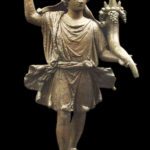 Lares
LaresIn literature, Juventas is mentioned in works by Roman poets and historians. They often invoked her name when discussing themes of youth, growth, and the future. For example, poets would reference her in their verses to emphasize the fleeting nature of youth and the importance of cherishing it. Through these literary works, Juventas became a symbol of inspiration for many, encouraging individuals to embrace their youth and strive for greatness.
Juventas and Society
The role of Juventas in Roman society extends beyond mythology; it reflects the values and beliefs held by the Romans regarding youth and its importance. In ancient Rome, youth was seen as a time of learning and development. Young people were expected to acquire skills, knowledge, and virtues that would prepare them for adulthood. Juventas served as a reminder of the responsibilities that come with youth, urging the younger generation to strive for excellence and contribute positively to society.
Moreover, Juventas played a role in the social fabric of Rome. The emphasis on youth and its potential encouraged a culture of mentorship, where older generations guided the young in their personal and professional development. This intergenerational relationship was vital for the continuity of Roman values and traditions. By honoring Juventas, Romans acknowledged the importance of nurturing young talent and ensuring that the ideals of their society were passed down through the ages.
Festivals and Celebrations
Various festivals and celebrations were held in honor of Juventas throughout the Roman calendar. These events were opportunities for the community to come together and celebrate the spirit of youth. During these festivals, young people would participate in various activities, showcasing their talents and skills. Such events were designed not only to honor Juventas but also to encourage young individuals to express themselves and take pride in their abilities.
- Juventas Festival: This festival included games, performances, and competitions, where young people showcased their physical and artistic talents.
- Ritual Offerings: Communities would offer sacrifices to Juventas, seeking her blessings for the health and prosperity of their youth.
- Educational Events: Festivals often included educational components, emphasizing the importance of learning and personal growth.
These celebrations served to reinforce the values associated with Juventas and encouraged a sense of community among the youth. By actively participating in these festivals, young Romans could feel a connection to their cultural heritage and a sense of pride in their identity. The festivities also provided an opportunity for families to bond and for the community to come together in support of its younger members.
Juventas in Modern Culture
Today, the legacy of Juventas continues to influence modern culture. Her image and symbolism can be seen in various forms of art, literature, and even in the names of organizations that promote youth development. The idea of honoring and nurturing young people remains relevant, as societies around the world recognize the importance of investing in the next generation. Juventas serves as a reminder of the potential that lies within youth and the need to support their growth and development.
In educational contexts, Juventas is often invoked to inspire students and young leaders. Programs focused on youth empowerment and development draw upon her symbolism to emphasize the importance of fostering skills, creativity, and leadership in young individuals. By embracing the spirit of Juventas, modern societies can work towards creating a brighter future for all.
Juventas is a powerful symbol of youth and vitality in Roman mythology. Her significance extends beyond the ancient world, resonating with contemporary values that prioritize the importance of nurturing and supporting the younger generation. Through her representation in art, literature, and cultural practices, Juventas continues to inspire individuals and communities to celebrate youth and its potential.