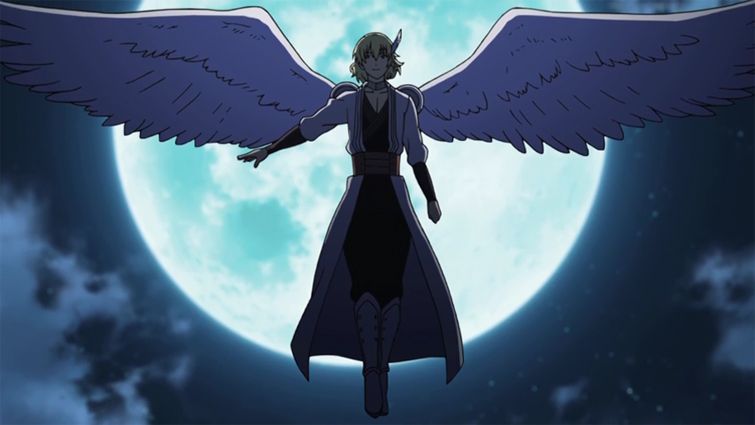
Mastema is a figure that appears in various religious and mythological texts, often associated with the concept of fallen angels. This being has a complex and multifaceted identity, which has led to numerous interpretations throughout history. In some traditions, Mastema is viewed as a leader of demons or a challenger of divine authority. Understanding Mastema requires exploring his origins, characteristics, and the different contexts in which he appears.
Origins of Mastema
The name Mastema is often linked to the ancient Hebrew word for “hostility” or “hatred.” In this context, Mastema is depicted as a being who embodies opposition to God’s will. His origins can be traced back to ancient texts, particularly in the Book of Enoch, where he is described as a fallen angel who took a rebellious stance against God. This rebellion is a common theme among fallen angels, who often challenge the divine order for various reasons.
 Mephistopheles
In the Book of Enoch, Mastema is presented as an accuser, akin to the role of Satan in Christian theology. He is portrayed as someone who tests the faith of humans and serves as a tempter. This role aligns him with the broader theme of temptation and sin that is prevalent in many religious narratives. By understanding Mastema’s origins, we can better appreciate his significance in the context of fallen angels.
Characteristics of Mastema
Mastema is often characterized by his intelligence and cunning nature. He is not merely a brute force but rather a being who uses his intellect to manipulate and deceive. This aspect of his character makes him a formidable adversary to those who seek to follow a righteous path. In various texts, he is depicted as someone who is able to persuade others to join him in his rebellion against God.
Additionally, Mastema is often associated with chaos and disorder. His presence signifies a disruption of the natural order, which is a common theme in many stories involving fallen angels. This chaos is not just physical but can also manifest in emotional and spiritual turmoil. People who encounter Mastema may find themselves grappling with their own doubts and fears, as he seeks to exploit their vulnerabilities.
 Morax
MoraxMastema in Religious Texts
Mastema appears in several religious texts, each offering a different perspective on his character and role. In the Book of Enoch, he is depicted as a leader among the fallen angels, commanding a legion of demons. This portrayal emphasizes his authority and influence within the realm of evil. The text describes how he actively participates in the corruption of humanity, seeking to lead people away from God.
In other religious traditions, such as some interpretations of Christianity and Judaism, Mastema is often equated with Satan or seen as a similar figure. This connection highlights the shared themes of rebellion and opposition to divine authority. The way Mastema is portrayed can vary significantly depending on the cultural and theological context, leading to different interpretations of his character.
The Role of Mastema as an Accuser
One of the most significant roles of Mastema is that of an accuser. In many religious narratives, he serves as a challenger of God’s creations, bringing accusations against humans. This role is reminiscent of the function of Satan in the Hebrew Bible, where he acts as a prosecutor in the heavenly court. Mastema’s accusations often center around human shortcomings and failures, which he uses to justify his actions against them.
 Naamah
This aspect of Mastema’s character raises important questions about the nature of free will and accountability. If he is constantly seeking to undermine human righteousness, how does this affect the choices individuals make? The tension between divine grace and the influence of fallen angels like Mastema presents a complex moral landscape for believers.
Mastema and Temptation
Temptation is a central theme in the narrative of Mastema. He is often depicted as a tempter who seeks to lead individuals away from their faith and into sin. This role is crucial in understanding the broader struggle between good and evil. Mastema’s ability to entice individuals into wrongdoing reflects the challenges that people face in their spiritual journeys.
- Subtle Manipulation: Mastema often uses subtle means to tempt individuals, appealing to their desires and weaknesses.
- Exploitation of Doubts: He exploits doubts and fears, making it easier for individuals to stray from their righteous paths.
- Influence on Communities: His influence can extend beyond individuals, affecting entire communities and leading them toward moral decay.
These methods of temptation highlight the importance of vigilance and discernment in the face of spiritual challenges. Understanding Mastema’s tactics can help individuals recognize when they are being led astray and empower them to resist his influence.
Mastema in Popular Culture
The figure of Mastema has transcended religious texts and entered popular culture, where he is often portrayed in various forms of media. From literature to films, his character has been adapted and reinterpreted, reflecting contemporary concerns about evil and morality. In many cases, he is depicted as a powerful antagonist, embodying the struggles between good and evil.
In literature, authors have drawn on the character of Mastema to explore themes of redemption and the nature of sin. His presence in stories often serves as a catalyst for character development, pushing protagonists to confront their own moral dilemmas. Similarly, in films, Mastema is often portrayed as a dark figure whose actions challenge the heroes to rise to the occasion and reaffirm their beliefs.
Modern Interpretations of Mastema
Modern interpretations of Mastema often emphasize the psychological aspects of his character. Rather than being seen solely as a supernatural being, he is sometimes viewed as a representation of the internal struggles that individuals face. This perspective aligns with contemporary discussions about mental health and the impact of external influences on personal choices.
By examining Mastema through a psychological lens, we can gain insights into the ways in which temptation and doubt manifest in our lives. This approach encourages individuals to confront their own inner demons and to recognize the power of choice in overcoming adversity. It also highlights the importance of community support in resisting negative influences.
The Legacy of Mastema
The legacy of Mastema continues to be felt in various religious and cultural contexts. As a symbol of rebellion and temptation, he serves as a reminder of the ongoing struggle between good and evil. This legacy has inspired countless discussions about morality, free will, and the nature of evil throughout history.
In religious communities, Mastema’s story encourages believers to remain vigilant in their faith. The narratives surrounding him serve as cautionary tales about the dangers of straying from righteousness. As such, Mastema remains a relevant figure in discussions about spirituality and ethics.
Mastema is a complex figure whose character and role as a fallen angel have evolved over time. From his origins in ancient texts to his representation in modern culture, he embodies the themes of rebellion, temptation, and the struggle between good and evil. Understanding Mastema provides valuable insights into the human experience and the challenges we face in our spiritual journeys.