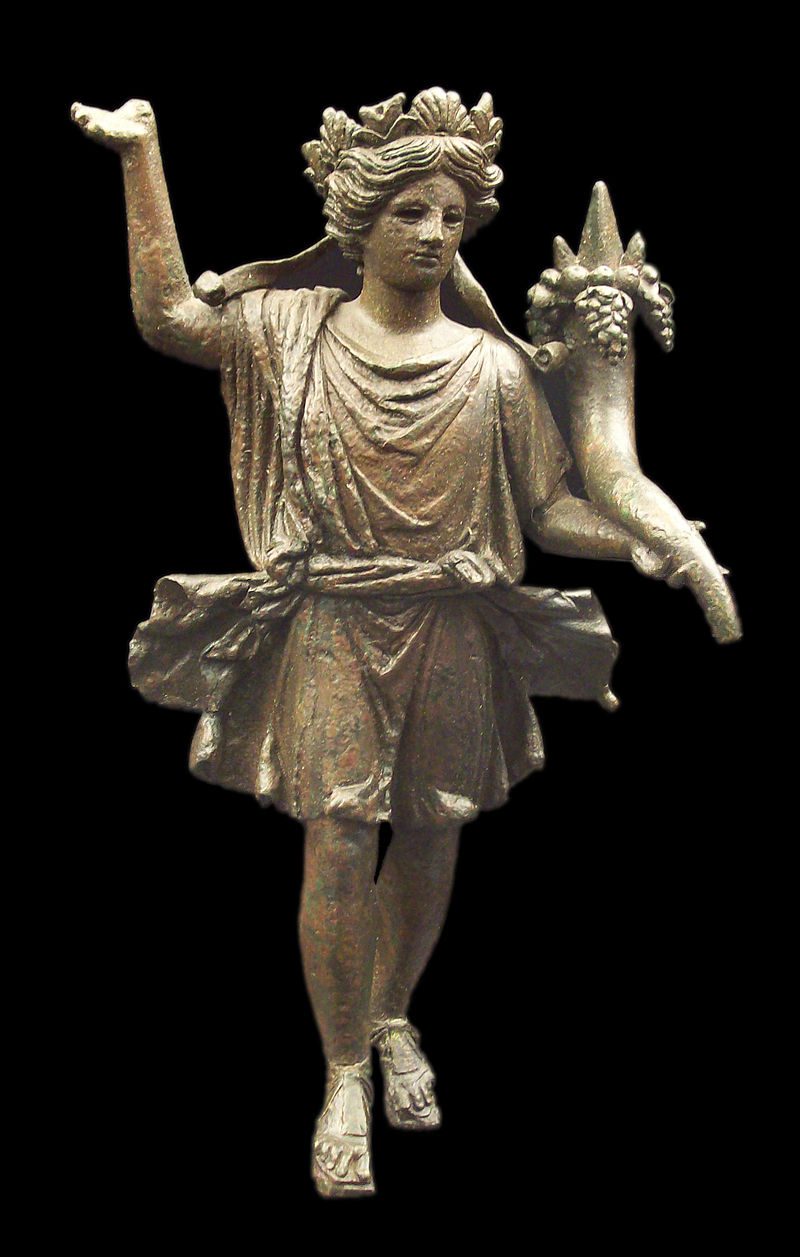
Lara is a fascinating figure in Roman mythology, often associated with themes of silence, secrecy, and mystery. Her story intertwines with other significant deities and mythological figures, making her a captivating subject for those interested in ancient Roman beliefs. In Roman culture, Lara was known as a nymph or spirit, and her narratives often reflect the values and morals of the society at that time. Understanding Lara requires a look into the broader context of Roman mythology and the various elements that surround her character.
The Origins of Lara
The origins of Lara are somewhat obscure, as with many figures in mythology. She is sometimes depicted as a nymph, a lesser divine being associated with nature and water. In some accounts, she is referred to as a daughter of the god Almo, who is linked to the river Almo in Italy. This connection to water suggests that Lara had a nurturing aspect, often associated with the life-giving properties of rivers and springs. However, her identity as a nymph is only one part of her story, as her role in mythology extends beyond this simple classification.
 Lares
LaresAnother account of Lara’s origins ties her to the underworld, where she is known as a chthonic deity. This association with the underworld gives her a darker aspect, as she is sometimes portrayed as a spirit of the dead. In these narratives, Lara is linked to the god Mercury, who served as a guide for souls in the afterlife. This duality in her character—being both a nurturing spirit and a connection to the underworld—adds layers to her mythology and reflects the complexities of Roman beliefs about life, death, and the afterlife.
Lara and the Concept of Silence
One of the most intriguing aspects of Lara’s mythology is her association with silence. In many stories, Lara is described as a silent figure, often unable to speak due to a curse placed upon her. This silence is not just a physical inability to speak but symbolizes deeper themes of secrecy and the hidden aspects of life. In Roman culture, silence was often seen as a virtue, associated with wisdom and self-control. Lara’s silence can thus be interpreted as a reflection of these values, representing the importance of discretion and the understanding that not all truths need to be spoken.
Moreover, Lara’s silence plays a crucial role in her interactions with other mythological figures. For instance, in one famous tale, she is captured by the god Jupiter and taken to the underworld. Her inability to speak is significant in this context, as it prevents her from revealing secrets that could disrupt the balance between the mortal world and the divine. This narrative reinforces the idea that silence can be a powerful tool, capable of protecting oneself and others from harm.
 Larvae
Lara and Mercury
The relationship between Lara and the god Mercury is one of the most notable aspects of her mythology. Mercury, known as the messenger of the gods, is often associated with commerce, communication, and transitions. His role as a guide for souls in the afterlife creates a natural connection between him and Lara, especially considering her ties to the underworld. In some stories, Mercury is portrayed as a protector of Lara, helping her navigate the complexities of her existence.
In their interactions, Mercury often acts as a mediator between Lara and the other gods, highlighting her unique position within the pantheon. While many deities engage in battles or political maneuvering, Lara remains a more enigmatic figure, embodying qualities that are often overlooked in the fast-paced world of mythology. This relationship emphasizes the importance of companionship and support in the face of adversity, as Mercury stands by Lara during her trials.
Key Aspects of Their Relationship
- Guidance: Mercury helps guide Lara through her challenges.
- Protection: He serves as a protector, ensuring her safety.
- Communication: Mercury’s role as a messenger highlights the importance of communication in their bond.
The Legacy of Lara in Roman Culture
Lara’s legacy in Roman culture is multifaceted, reflecting the values and beliefs of the society at that time. While she may not be as widely recognized as other deities, her story carries significant meaning. The themes of silence, secrecy, and the duality of existence resonate with the Roman worldview, which often emphasized the importance of maintaining balance in life. Lara’s character serves as a reminder of the complexities of human existence, where light and darkness coexist.
 Latinus
Additionally, Lara’s association with the underworld and her connection to Mercury illustrate the Romans’ understanding of life after death. The belief in an afterlife was a significant aspect of Roman religion, and Lara’s role as a guide or protector of souls contributes to this belief system. Her story encourages reflection on the nature of existence and the mysteries that lie beyond the mortal realm.
Lara in Art and Literature
Throughout history, Lara has been depicted in various forms of art and literature, illustrating her significance in Roman mythology. Artists and writers have drawn inspiration from her story, often highlighting her duality as both a nurturing spirit and a connection to the underworld. In literature, her character is often explored through poetry and prose, allowing for a deeper understanding of her complexities.
In visual art, Lara is sometimes depicted alongside Mercury, symbolizing their close relationship. These representations often capture the essence of her silence, portraying her as a serene and enigmatic figure. Artists have used colors and symbols to convey the themes of secrecy and mystery that surround her character, creating a lasting impact on those who view their works.
Notable Works Featuring Lara
- Poetry: Various poets have referenced Lara in their works, exploring her themes of silence and secrecy.
- Paintings: Artists have depicted her in scenes with Mercury, emphasizing their connection.
- Statues: Sculptures of Lara often capture her ethereal beauty and enigmatic presence.
Modern Interpretations of Lara
In contemporary times, Lara’s character continues to inspire various interpretations in literature, art, and popular culture. Writers and artists have taken her story and reimagined it, often highlighting themes that resonate with modern audiences. The concepts of silence and secrecy are particularly relevant today, as individuals navigate the complexities of communication in a fast-paced world.
Moreover, Lara’s duality as both a nurturing spirit and a connection to the underworld allows for explorations of themes such as life, death, and the unknown. Modern adaptations often delve into these concepts, encouraging audiences to reflect on their own lives and the mysteries that surround them. This enduring relevance is a testament to the richness of her character and the universal themes embedded in her story.
The Importance of Silence in Lara’s Mythology
Silence is a central theme in Lara’s mythology, representing not only her character but also broader cultural values. In Roman society, silence was often equated with wisdom and introspection. Lara’s inability to speak can be seen as a metaphor for the importance of listening and observing rather than merely speaking. This aspect of her character encourages individuals to consider the power of silence in their own lives, emphasizing that not all thoughts and feelings need to be vocalized.
Furthermore, Lara’s silence serves as a protective mechanism, shielding her from potential harm and allowing her to navigate her world with caution. In a society that valued discretion, her character embodies the idea that sometimes, silence can be more powerful than words. This interpretation adds depth to her story, illustrating how silence can be both a burden and a strength.
Conclusion: Lara’s Enduring Influence
Lara’s influence extends beyond the boundaries of Roman mythology, resonating with themes that continue to be relevant today. Her character embodies the complexities of existence, the significance of silence, and the interplay between light and darkness. As modern audiences explore her story, they are invited to reflect on their own lives and the mysteries that lie within. Lara serves as a reminder of the enduring power of mythology, where ancient narratives continue to inspire and provoke thought in contemporary society.