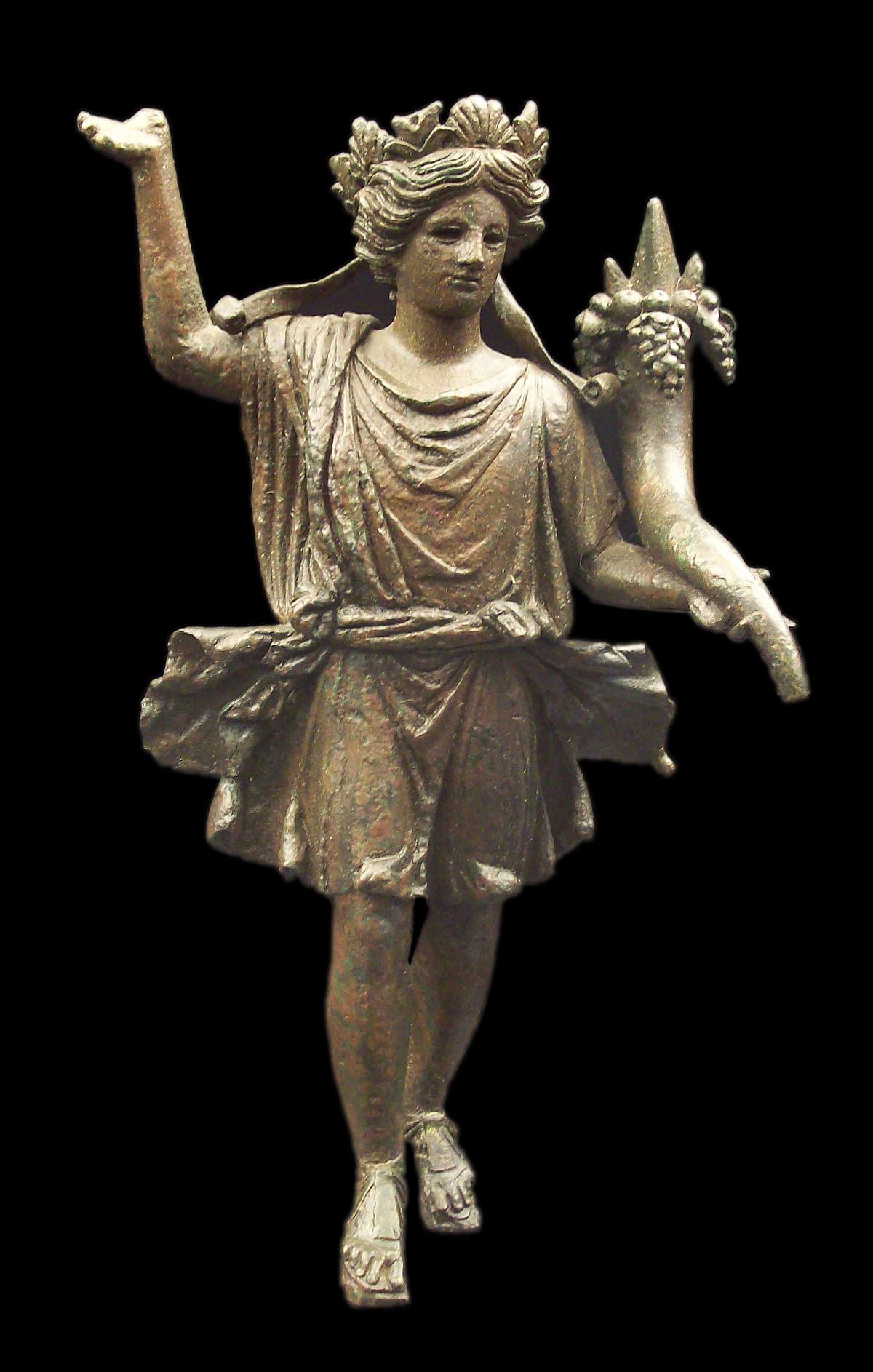
In Roman mythology, Lares are considered the protective deities of the household and the land. They are often depicted as guardian spirits who watch over families and their homes, ensuring safety and prosperity. The Lares are closely associated with the concept of ancestor worship and are believed to represent the spirits of deceased family members. Their presence was thought to bring good fortune and to ward off evil spirits. In Roman households, small shrines known as lararia were often constructed to honor these deities, where families would make offerings and perform rituals.
Origins of the Lares
The origins of the Lares can be traced back to ancient Roman beliefs and practices. Initially, they were thought to be the spirits of the dead, particularly those of the ancestors. This connection to ancestral spirits highlights the importance of family and lineage in Roman culture. Over time, the Lares evolved into more generalized protective deities, embodying the well-being of the household. They were often depicted as young men, sometimes holding a staff or a bowl, symbolizing their role as guardians.
 Larvae
In Roman religion, the Lares were often linked with the Penates, another group of deities responsible for the protection of the home and the pantry. Together, the Lares and Penates formed a crucial part of Roman domestic worship. Families would regularly perform rituals to honor these gods, believing that their blessings were essential for maintaining harmony and prosperity within the household.
Worship and Rituals
The worship of the Lares was an integral part of Roman daily life. Families would create a small altar, or lararium, in their homes, where they could make offerings and pray to the Lares. These altars often contained images or statues of the Lares, along with various offerings such as food, wine, and incense. The act of making offerings was a way for families to show gratitude and to seek protection from the Lares.
- Daily rituals: Many Roman families would perform daily rituals to honor the Lares, which could include lighting candles or incense.
- Festivals: Special festivals, such as the Parentalia, were dedicated to honoring the spirits of ancestors and the Lares.
- Offerings: Common offerings included food, wine, and flowers, which were placed on the lararium.
During significant events, such as weddings or births, families would often seek the blessings of the Lares. They believed that these protective deities could ensure the success and happiness of such important life events. The Lares were not only protectors of the household but also played a role in the larger community. Public rituals and festivals were held in their honor, further solidifying their importance in Roman society.
 Latinus
Symbolism and Representation
The Lares were often represented in various forms of Roman art, including sculptures and frescoes. They were typically depicted as youthful figures, symbolizing vitality and protection. The imagery associated with the Lares often included symbols of the household, such as houses, fruits, and cornucopias, which represented abundance and prosperity. This representation emphasizes their role as guardians of the home and the wealth it provides.
In addition to their artistic representations, the Lares were also associated with specific symbols. For instance, the staff they carried symbolized authority and protection, while the bowl often represented offerings and hospitality. These symbols reinforced their connection to the household and their role in ensuring the well-being of the family. The Lares served as a reminder of the importance of family, tradition, and the need for protection in daily life.
The Lares in Roman Society
The role of the Lares extended beyond individual households; they were integral to the broader fabric of Roman society. The Lares were believed to influence not only the prosperity of families but also the success of entire communities. In this sense, they were considered community guardians, ensuring that neighborhoods thrived and that social bonds remained strong.
 Laverna
Roman cities often had public shrines dedicated to the Lares, where citizens could gather to make offerings and pray for the well-being of their community. These public displays of devotion highlighted the Lares’ significance in Roman culture. The belief in the Lares reinforced the idea of collective responsibility, as the well-being of one family was interconnected with the well-being of others.
Differences Between Lares and Other Deities
While the Lares were important deities in Roman mythology, they were distinct from other gods and goddesses in the Roman pantheon. Unlike major gods such as Jupiter or Mars, who were often associated with grand themes like war and justice, the Lares were more focused on everyday life and domestic affairs. They represented the ordinary aspects of existence, emphasizing the importance of family, home, and community.
Another key difference is that the Lares were primarily worshipped in a domestic setting, whereas many other Roman deities had large temples and formal worship practices. The Lares were accessible to all Romans, and their worship was a part of daily life. This accessibility made them relatable and relevant to the average Roman citizen, further solidifying their place in the hearts of the people.
Influence on Later Cultures
The influence of the Lares extended beyond ancient Rome and can be seen in various cultures and religions that followed. The concept of household spirits or protective deities is a recurring theme in many belief systems. For instance, in various forms of paganism and folk traditions, similar household spirits are venerated for their protective qualities.
In Christianity, the idea of guardian angels can be seen as a parallel to the role of the Lares. Just as the Lares were believed to protect families and homes, guardian angels are thought to watch over individuals and their loved ones. This continuity of belief highlights the enduring human desire for protection and guidance in everyday life.
The Lares in Literature and Art
The Lares have also made their mark in Roman literature and art. Poets and writers often referenced these deities in their works, illustrating the cultural significance of the Lares in Roman society. They were celebrated for their role in ensuring the safety and prosperity of families, making them a popular subject in poetry and prose.
In art, the Lares were frequently depicted in frescoes and mosaics found in Roman villas and homes. These artistic representations served not only as decoration but also as a means of invoking the presence and blessings of the Lares. By adorning their homes with images of these protective deities, Romans sought to create a sacred space where the Lares could reside and watch over them.
Conclusion of Lares in Roman Mythology
The Lares remain a fascinating aspect of Roman mythology, embodying the values of family, protection, and community. Their worship reflects the deep-seated beliefs of the Romans regarding the importance of honoring one’s ancestors and seeking their guidance. Through their enduring presence in both ancient and modern cultures, the Lares continue to remind us of the universal desire for safety, prosperity, and connection to those who came before us.