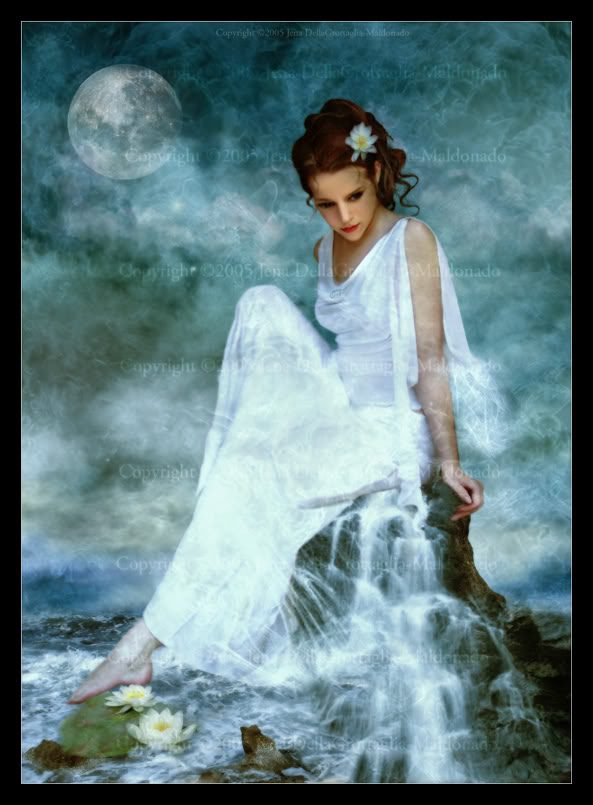
Juturna is a fascinating figure in Roman mythology, often associated with water, healing, and the nurturing aspects of nature. She is primarily known as a goddess of springs and wells, embodying the life-giving properties of fresh water. In Roman culture, water was not only essential for survival but also held significant spiritual and symbolic meaning. Juturna’s role as a divine entity in charge of these vital resources illustrates the Romans’ deep reverence for natural elements and their connection to the divine. This article explores various aspects of Juturna’s mythology, her significance in Roman religion, and her representations in art and literature.
Origins and Family of Juturna
The origins of Juturna are somewhat unclear, as with many figures in mythology. However, she is often linked to the Latin word “iuturna,” which means “to flow” or “to run.” This etymology highlights her connection to water and its movement. In Roman mythology, Juturna is sometimes considered a sister of the god Janus, the deity of beginnings and transitions. Janus is typically depicted with two faces, symbolizing his ability to look into the past and the future. This familial connection emphasizes the dual nature of water as both a nurturing and potentially destructive force.
 Juventas
In some accounts, Juturna is also associated with the gods of the underworld, particularly with the figure of Dis Pater, who represents the wealth of the earth. This relationship illustrates how water is perceived not only as a source of life but also as a conduit between the living and the dead. Water, in this context, serves as a bridge that connects different realms, reflecting the Romans’ understanding of the natural world as interconnected and sacred.
Juturna in Roman Religion
Juturna was worshipped in various forms throughout ancient Rome. As a goddess of springs, she was particularly revered in rural areas where fresh water was essential for agriculture and daily life. People would often visit her sacred springs to seek healing or purification. This practice highlights the belief in the therapeutic qualities of water, which were thought to be enhanced by the divine presence of Juturna.
 Laetitia
Rituals dedicated to Juturna often involved offerings of flowers, fruits, and small tokens thrown into her waters. Such offerings were made to gain her favor and ensure a bountiful harvest or good health. The Romans believed that by honoring Juturna, they could tap into her nurturing powers and secure the blessings of nature. This relationship between humans and the divine was crucial in Roman spirituality, reflecting a deep respect for the forces of nature and their ability to impact human life.
Temples and Sacred Sites
- The Temple of Juturna was located in the Roman Forum, a central area for public life and worship.
- Another significant site was the spring of Juturna near the city of Praeneste, where people would come to seek her blessings.
- These sites often served as gathering places for community rituals and celebrations, reinforcing the communal aspect of worship.
The Temple of Juturna, located in the Roman Forum, served as a focal point for her worship. This temple was a place where people could come to pray, offer sacrifices, and seek guidance from the goddess. The presence of such temples underscores the importance of Juturna in the religious landscape of ancient Rome. Additionally, the spring of Juturna near the city of Praeneste was another significant site where people believed they could connect with her divine essence.
Mythological Stories Involving Juturna
One of the most famous myths involving Juturna is her connection to the hero Turnus. Turnus was a warrior and the leader of the Rutulians in the epic tale of the Aeneid, written by the poet Virgil. In this story, Juturna plays a crucial role in assisting Turnus during his conflict with Aeneas, the Trojan hero. Juturna’s divine intervention is significant as it showcases her protective nature and her desire to aid those she favors.
 Lara
LaraIn the Aeneid, Juturna disguises herself and manipulates events to support Turnus against Aeneas. This involvement highlights her role as a goddess who intervenes in human affairs, showcasing both her nurturing aspect and her capacity for influence. Her actions in the narrative reflect the belief that deities could actively shape the destinies of mortals, a common theme in Roman mythology.
Characteristics of Juturna
- Juturna is often depicted as a beautiful woman, embodying the serene and nurturing qualities of water.
- Her presence is associated with tranquility and healing, symbolizing the restorative powers of fresh springs.
- She is sometimes shown with water-related symbols, such as shells or flowing garments, emphasizing her connection to the element.
Juturna is typically portrayed as a beautiful woman, embodying the serene and nurturing qualities associated with water. Her depictions often include flowing garments that mimic the movement of water, reinforcing her identity as a goddess of springs. In art and literature, she symbolizes tranquility and healing, representing the restorative powers of fresh water. These characteristics are vital in understanding her significance within the pantheon of Roman deities, as they reflect the Romans’ reverence for nature and its elements.
Juturna in Literature and Art
Juturna has been referenced in various works of literature and art throughout history. One of the most notable literary references is in Virgil’s Aeneid, where her role in assisting Turnus is highlighted. This epic poem, which recounts the journey of Aeneas, showcases Juturna as a powerful and influential goddess. The Aeneid serves not only as a story of heroism and adventure but also as a reflection of Roman values, including the importance of divine favor and the connection between gods and mortals.
In addition to literary references, Juturna has also been depicted in various forms of art. Ancient sculptures and mosaics often portray her alongside other deities, showcasing her importance in the Roman pantheon. These artistic representations serve as a testament to the reverence the Romans held for Juturna and the natural elements she personified. The visual depictions of Juturna further solidify her role as a nurturing and protective figure in Roman mythology.
Influence on Modern Culture
- Juturna’s legacy continues to influence modern literature, art, and culture.
- Her themes of water, healing, and nature resonate in contemporary environmental discussions.
- Many artists and writers draw inspiration from mythological figures like Juturna to explore human relationships with nature.
Juturna’s legacy continues to influence modern culture in various ways. Her themes of water, healing, and nature resonate strongly in contemporary discussions surrounding environmentalism and the importance of preserving natural resources. As society grapples with the consequences of climate change and environmental degradation, figures like Juturna serve as reminders of the sacredness of water and the need for stewardship of the earth.
Many contemporary artists and writers draw inspiration from mythological figures like Juturna to explore the complex relationships between humans and nature. By revisiting these ancient stories, modern creators can reflect on timeless themes of nurture, protection, and the balance between humanity and the natural world. Juturna’s story remains relevant, reminding us of the importance of water and the divine forces that govern our lives.
Juturna is a significant figure in Roman mythology, representing the essential elements of water, healing, and nature. Her connections to various deities, her role in myths, and her influence in literature and art highlight her importance in ancient Roman culture. As we continue to explore the stories and legacies of mythological figures like Juturna, we gain insight into the values and beliefs that shaped ancient societies and continue to resonate in our modern world.