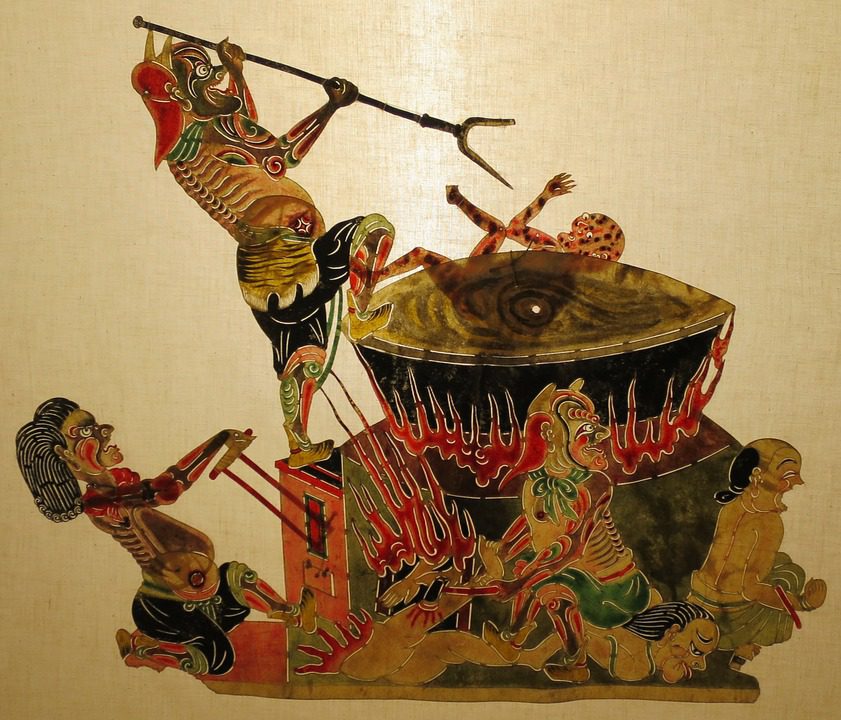
In the rich tapestry of Buddhist mythology, one of the most intriguing concepts is that of Jigoku, often translated as “hell” in English. This realm is not merely a place of punishment but is deeply intertwined with the moral and ethical teachings of Buddhism. Jigoku serves as a reminder of the consequences of one’s actions, embodying the principle of karma. The understanding of Jigoku varies across different cultures and sects within Buddhism, leading to a diverse range of interpretations and beliefs about what Jigoku truly represents.
Understanding Jigoku
Jigoku is often depicted as a realm where beings experience suffering due to their past misdeeds. It is important to note that in Buddhist philosophy, hell is not an eternal state. Instead, it is viewed as a temporary phase that individuals must pass through as a result of their negative actions. This belief highlights the fundamental teaching of impermanence, which is central to Buddhism. Individuals in Jigoku can eventually be reborn into a better existence, depending on their karma and the actions they take to atone for their past wrongs.
 Jaramarana
In various texts, Jigoku is described in vivid detail. It is often portrayed as a dark and torturous place, filled with various forms of punishment that reflect the nature of the sins committed. The traditional imagery includes beings being burned, frozen, or subjected to other forms of suffering. These depictions serve as cautionary tales, illustrating the importance of leading a virtuous life. Through these stories, practitioners are encouraged to reflect on their actions and strive for a path that leads to enlightenment rather than suffering.
The Different Realms of Jigoku
Within the concept of Jigoku, there are often several different realms or types of hell, each associated with different types of negative actions. These realms can be categorized into various levels, with each level representing a specific kind of suffering. For instance, some texts describe Eight Hot Hells and Eight Cold Hells, each with its own unique torments. The Eight Hot Hells are characterized by extreme heat and suffering, while the Eight Cold Hells represent freezing conditions that cause immense pain.
- Hot Hells – These are the realms where beings experience intense heat and torture. The suffering here is often a direct reflection of the wrongdoings committed in life.
- Cold Hells – In contrast to the Hot Hells, these realms are freezing and desolate. Beings in these hells suffer from extreme cold, which can be just as torturous as the heat.
- Animal Hells – Some texts mention realms where beings are reborn as animals, suffering from the ignorance and cruelty of their past actions.
Each of these realms serves as a reminder of the consequences of one’s actions. The teachings encourage followers to engage in self-reflection and to consider how their choices impact not only themselves but also others. This perspective is fundamental to the Buddhist path, which emphasizes compassion, mindfulness, and ethical conduct.
 Ida-ten
The Role of Karma in Jigoku
Karma plays a crucial role in the concept of Jigoku. In Buddhism, karma refers to the law of moral causation, where every action has consequences. Good actions lead to positive outcomes, while negative actions result in suffering. When individuals find themselves in Jigoku, it is a direct result of their past actions and decisions. This understanding of karma reinforces the idea that individuals have the power to change their destinies through their current actions.
The teachings of karma and Jigoku emphasize personal responsibility. Each person is accountable for their actions, and the state of their existence—whether in Jigoku or elsewhere—is a reflection of their moral choices. This principle encourages practitioners to cultivate good deeds and intentions, fostering a life of compassion and kindness. The notion that suffering can be transformed through good actions provides hope and motivation for those seeking a better path.
Jigoku in Different Buddhist Traditions
Jigoku is understood and interpreted differently across various Buddhist traditions. In Mahayana Buddhism, the concept of Jigoku is often expanded to include not just the suffering of individuals but also the collective suffering of all beings. This perspective encourages practitioners to work towards the liberation of all sentient beings from suffering, rather than focusing solely on personal salvation. In this context, Jigoku is seen as a realm that can be transcended through compassion and altruistic actions.
 Hotoke
On the other hand, in Theravada Buddhism, the focus is more on individual karma and the personal journey towards enlightenment. Jigoku is often viewed in a more literal sense, with detailed descriptions of the various hells and the specific punishments associated with them. This tradition emphasizes the importance of personal moral conduct and the direct consequences of one’s actions in this life.
The Symbolism of Jigoku
Beyond its literal interpretation, Jigoku also holds significant symbolic meaning in Buddhist teachings. It represents the internal struggles and suffering that all beings face. Just as Jigoku is a place of punishment, it also symbolizes the mental and emotional states that can arise from negative thoughts and actions. The teachings encourage individuals to confront their inner demons and to seek a path of transformation and healing.
Jigoku can also be seen as a metaphor for the ignorance and attachment that bind individuals to suffering. The journey through Jigoku symbolizes the process of awakening and realization, where individuals learn to let go of harmful habits and cultivate positive qualities. This transformative journey is central to the Buddhist path, as it leads to enlightenment and liberation from the cycle of birth and death.
Practices to Avoid Jigoku
To avoid the suffering associated with Jigoku, Buddhist practitioners engage in various practices aimed at cultivating positive karma. These practices include meditation, ethical conduct, and acts of compassion. Meditation helps individuals develop mindfulness and awareness, allowing them to recognize and transform negative thoughts and behaviors. Through regular practice, individuals can cultivate a sense of inner peace and clarity, which can help them make better choices in their daily lives.
- Mindfulness Meditation – This practice encourages individuals to be present in the moment and to observe their thoughts without judgment.
- Compassionate Action – Engaging in acts of kindness towards others helps to cultivate positive karma and reduce the likelihood of rebirth in Jigoku.
- Ethical Living – Following the Five Precepts of Buddhism—abstaining from killing, stealing, sexual misconduct, false speech, and intoxication—helps to promote a life of virtue.
By integrating these practices into their daily lives, individuals can work towards reducing suffering for themselves and others. The focus on compassion and ethical conduct is not only beneficial for personal growth but also contributes to the well-being of the broader community.
The Influence of Jigoku on Culture and Art
The concept of Jigoku has had a profound influence on various aspects of culture and art in regions where Buddhism is practiced. In Japan, for instance, Jigoku has inspired numerous artworks, literature, and theatrical performances. Traditional Japanese paintings often depict scenes from Jigoku, illustrating the various torments faced by beings in hell. These artworks serve both as a reminder of the consequences of negative actions and as a source of inspiration for moral conduct.
Literature also reflects the influence of Jigoku, with many stories exploring themes of redemption and the consequences of one’s actions. These narratives often serve to educate readers about the importance of leading a virtuous life. Similarly, theatrical performances, such as Noh and Kabuki, frequently incorporate elements of Jigoku, showcasing the dramatic tension between good and evil and the possibility of redemption.
Conclusion of the Journey Through Jigoku
The journey through Jigoku is not merely about punishment; it is a profound opportunity for reflection and growth. By understanding the nature of Jigoku and its relationship to karma, practitioners can gain valuable insights into their lives and the impact of their actions. This awareness encourages individuals to strive for a life of compassion, mindfulness, and ethical conduct, ultimately guiding them toward enlightenment and liberation from suffering.
As individuals navigate their spiritual journeys, the teachings of Jigoku serve as a powerful reminder of the importance of personal responsibility and the potential for transformation. Through a commitment to positive actions and the cultivation of good intentions, one can aspire to transcend the suffering of Jigoku and contribute to a more compassionate world.