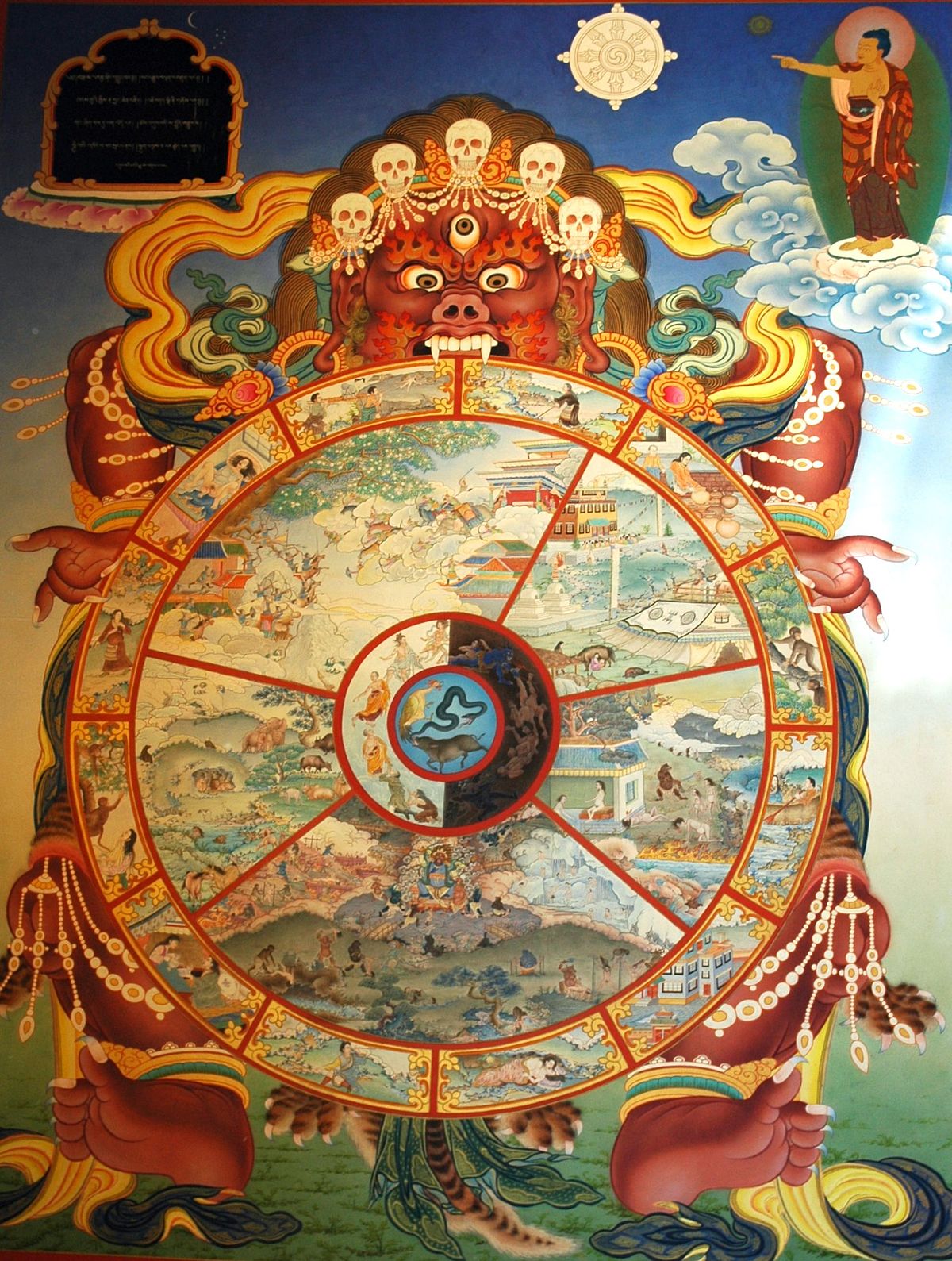
Jaramarana is a significant concept within Buddhist mythology, referring to the cycle of aging and death. This concept is part of the broader understanding of samsara, which is the continuous cycle of birth, life, death, and rebirth. In Buddhism, understanding Jaramarana is crucial for practitioners as it leads to deeper insights into the nature of existence and suffering. The teachings surrounding Jaramarana emphasize the impermanence of life and the inevitability of death, urging individuals to seek enlightenment and liberation from this cycle.
The Meaning of Jaramarana
The term Jaramarana can be broken down into two parts: “Jara,” which means aging, and “Marana,” which means death. Together, they symbolize the inevitable decline of life leading to its end. In Buddhist teachings, Jaramarana is often seen as a source of suffering. The aging process brings about physical and mental decline, while death represents the ultimate separation from loved ones and the material world. This understanding encourages practitioners to reflect on their mortality and the transient nature of life.
 Ida-ten
In Buddhist philosophy, Jaramarana is not just about the physical aspects of aging and dying. It also encompasses the emotional and psychological struggles that accompany these experiences. For instance, as individuals age, they may face a myriad of challenges, such as loss of vitality, health issues, and existential fears. These challenges can lead to feelings of despair and attachment to youth and life. By recognizing Jaramarana, practitioners can learn to accept these realities, fostering a sense of peace and detachment.
Jaramarana in Buddhist Texts
Buddhist texts often explore the concept of Jaramarana in detail. One of the most significant texts that address this topic is the Dhammacakkappavattana Sutta, where the Buddha discusses the Four Noble Truths. In this discourse, he highlights the nature of suffering, which is closely linked to Jaramarana. The Buddha explains that suffering arises from attachment and desire, and recognizing Jaramarana can help individuals understand the root causes of their suffering.
Another important text is the Samyutta Nikaya, which contains various discourses on the nature of life and death. These teachings often emphasize the importance of mindfulness and awareness in facing Jaramarana. Practitioners are encouraged to meditate on the impermanence of life, which can lead to a greater appreciation for the present moment and a reduction in attachment to worldly desires.
 Hotoke
Jaramarana and the Cycle of Samsara
Jaramarana is intrinsically linked to the concept of samsara, the endless cycle of birth, life, death, and rebirth. According to Buddhist beliefs, all beings are trapped in this cycle until they achieve nirvana, a state of liberation and freedom from suffering. Jaramarana serves as a reminder of the cyclical nature of existence, where each life inevitably leads to aging and death, only to be followed by rebirth in another form.
The cycle of samsara is often depicted in Buddhist art and literature, illustrating the struggles of beings as they navigate through various realms of existence. Each realm represents different experiences of suffering and joy, with Jaramarana being a constant presence throughout. By understanding this cycle, practitioners can cultivate a sense of urgency in their spiritual practice, motivating them to seek enlightenment and break free from samsara.
The Role of Mindfulness in Understanding Jaramarana
Mindfulness plays a crucial role in how practitioners relate to the concept of Jaramarana. By cultivating mindfulness, individuals can become more aware of their thoughts, emotions, and physical sensations, especially concerning aging and death. This awareness allows practitioners to observe their fears and attachments without judgment, leading to a deeper understanding of their true nature.
 Hevajra
Practicing mindfulness meditation can help individuals confront their feelings about aging and death. During meditation, one may reflect on the inevitability of Jaramarana, observing how thoughts about aging and dying arise and pass away. This practice can lead to a profound sense of acceptance, reducing the anxiety often associated with these natural processes. As practitioners become more comfortable with the idea of Jaramarana, they may find it easier to live in the present moment, appreciating life as it unfolds.
Lessons from Jaramarana
Jaramarana offers several important lessons for individuals on their spiritual journey. One of the key lessons is the importance of impermanence. Understanding that everything is subject to change can help practitioners cultivate a sense of detachment from material possessions and relationships. This detachment does not mean abandoning loved ones but rather appreciating them without clinging to them. Recognizing the transient nature of life can lead to a deeper appreciation of each moment.
Another lesson from Jaramarana is the value of living a meaningful life. When individuals acknowledge the inevitability of aging and death, they may feel inspired to make the most of their time. This can lead to a greater emphasis on compassion, kindness, and contributing positively to the lives of others. Practitioners may find themselves motivated to engage in acts of service and generosity, knowing that their time is limited.
Jaramarana and Compassion
Understanding Jaramarana can deepen one’s sense of compassion for others. When individuals recognize that everyone experiences aging and death, they can empathize with the struggles and fears of others. This shared experience can foster a sense of community and connection among individuals, encouraging them to support one another on their journeys.
Compassion arising from the understanding of Jaramarana can manifest in various ways. Practitioners may feel compelled to help the elderly or those facing terminal illnesses, offering their support and companionship. By extending compassion to others, individuals not only alleviate the suffering of those around them but also cultivate their own sense of peace and fulfillment.
Jaramarana in Daily Life
Incorporating the teachings of Jaramarana into daily life can lead to profound changes in perspective. One way to do this is by practicing gratitude. By acknowledging the impermanence of life, individuals can develop a greater appreciation for the present moment and the people in their lives. Simple practices, such as keeping a gratitude journal or expressing appreciation to loved ones, can enhance one’s overall sense of well-being.
Additionally, individuals can use the awareness of Jaramarana to prioritize their time and energy. Recognizing that life is finite can encourage individuals to focus on what truly matters, whether it’s spending time with family, pursuing passions, or engaging in meaningful work. This shift in focus can lead to a more fulfilling and purposeful life.
Jaramarana is a vital concept in Buddhist mythology that encapsulates the realities of aging and death. Through its teachings, individuals are encouraged to reflect on the nature of existence and the impermanence of life. By embracing mindfulness and compassion, practitioners can navigate the challenges of Jaramarana with grace, ultimately leading to a deeper understanding of themselves and their connection to the world around them.