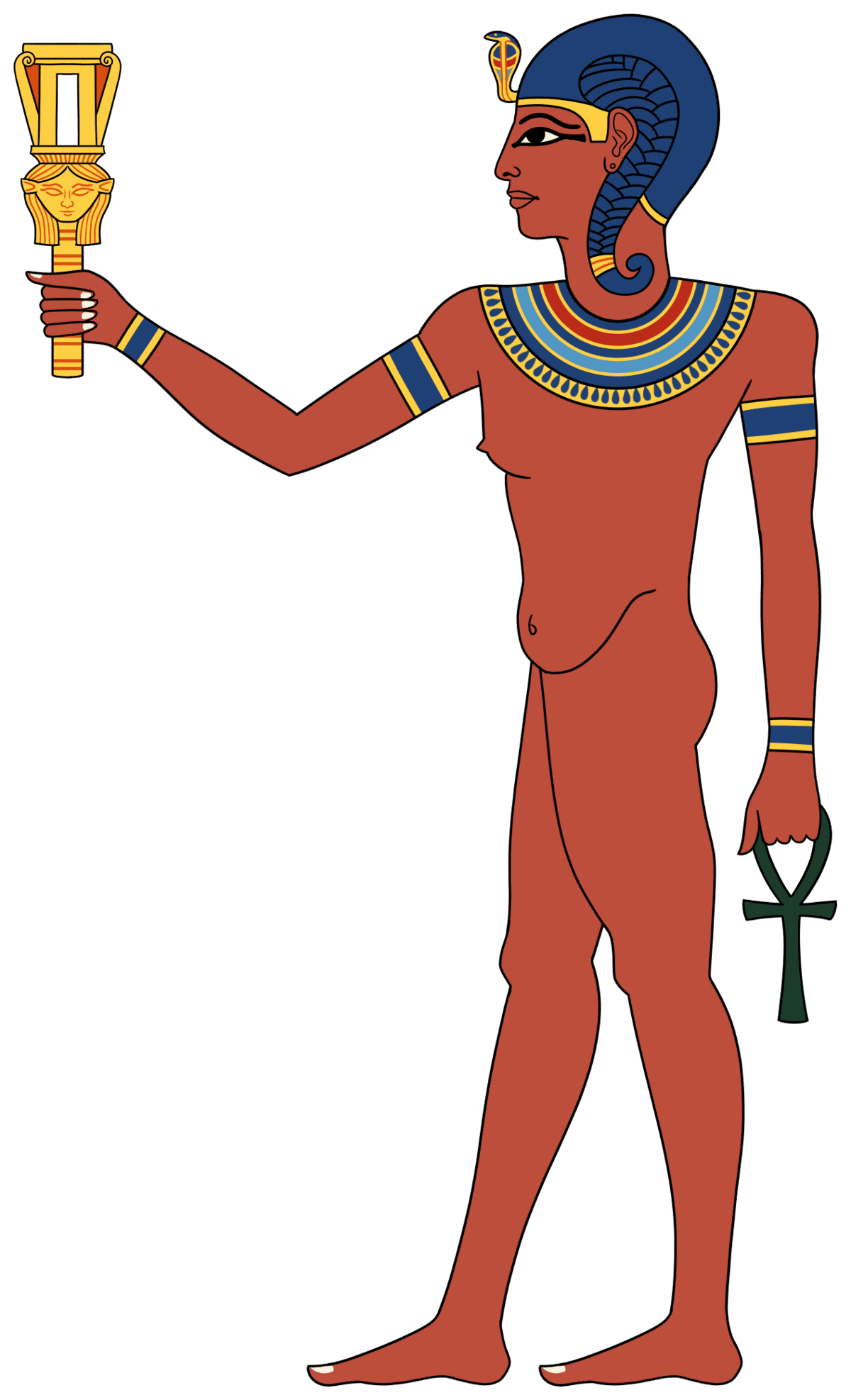
Ihu is a fascinating figure in Egyptian mythology. This ancient belief system is filled with gods, goddesses, and mystical creatures that played significant roles in the lives of the ancient Egyptians. Ihu is often associated with the realm of the dead and the afterlife, which was a central theme in Egyptian culture. The Egyptians placed great importance on what happened after death, and Ihu is one of the many deities that were believed to guide souls in their journey. Understanding Ihu requires delving into various aspects of Egyptian mythology, including the afterlife, the gods, and the spiritual beliefs of the ancient Egyptians.
The Role of Ihu in Egyptian Mythology
Ihu is known primarily as a god of the dead. His role was to assist souls in their transition to the afterlife. The ancient Egyptians believed that after death, the soul would embark on a perilous journey through the Du’at, the Egyptian underworld. Ihu’s presence in this journey was vital, as he provided guidance and protection to the souls navigating this challenging realm. He was often depicted as a guide, helping the deceased find their way and ensuring they reached their final destination safely.
 Duamutef
In addition to being a guide, Ihu was also thought to be a protector. The afterlife was filled with dangers, including various monsters and challenges that could thwart a soul’s journey. Ihu’s role as a protector was crucial, as he would defend the souls against these threats. This protective aspect of Ihu emphasizes the Egyptians’ belief in the need for assistance in the afterlife, showcasing their understanding of the challenges that awaited them after death.
Symbolism of Ihu
The symbolism associated with Ihu is deeply rooted in the themes of death and rebirth. In Egyptian mythology, the concept of rebirth was essential. The ancient Egyptians believed that death was not the end but a transition to a new existence. Ihu symbolizes this cycle of life and death, representing the hope for a renewed life in the afterlife. His guidance was seen as a bridge between the living and the dead, highlighting the interconnectedness of these two realms.
Moreover, Ihu is often linked to the idea of light and illumination. In many depictions, he is shown guiding souls through darkness, symbolizing the light of knowledge and understanding that helps navigate the unknown. This aspect of Ihu reflects the Egyptians’ reverence for knowledge and wisdom, which were seen as essential for a successful journey through the afterlife. By embodying these qualities, Ihu serves as a reminder of the importance of preparation and guidance in facing the unknown.
 Dua
DuaMythological Connections
Ihu has connections with several other deities within the rich tapestry of Egyptian mythology. One notable connection is with Osiris, the god of the afterlife and resurrection. Osiris was a central figure in Egyptian beliefs about death and the afterlife, and Ihu’s role as a guide complements Osiris’s function as a ruler of the dead. Together, they represent different aspects of the afterlife, with Osiris overseeing the realm and Ihu providing assistance to those making the journey.
Additionally, Ihu is often associated with Anubis, the god of mummification and the afterlife. Anubis is typically depicted as a jackal or a man with a jackal’s head and is known for guiding souls to the afterlife and overseeing the weighing of the heart ceremony. Ihu’s guidance complements Anubis’s protective role, as both deities work together to ensure the safe passage of souls. This collaboration between gods highlights the complexity and interwoven nature of Egyptian mythology, where multiple deities fulfill various roles in the same overarching narrative.
The Journey Through the Du’at
 Dedun
DedunThe journey through the Du’at is a central theme in Egyptian beliefs about the afterlife. It is described as a dark and dangerous realm that the deceased must navigate after death. This journey is fraught with challenges, including encounters with fearsome creatures and obstacles that test the soul’s worthiness. Ihu plays a crucial role in this journey, guiding and protecting the deceased as they face these trials.
As the soul progresses through the Du’at, they would encounter various gates and barriers that they must pass. Each gate often required the deceased to answer questions or prove their worthiness. Ihu’s guidance during these moments was essential, as he would provide the necessary wisdom and support to help the soul succeed. This aspect of Ihu’s role underscores the importance of knowledge and preparation in Egyptian beliefs, as the deceased needed to be ready for the challenges ahead.
Rituals and Offerings
To honor Ihu and seek his guidance, the ancient Egyptians performed various rituals and offerings. These rituals were meant to ensure that the souls would receive the assistance they needed in the afterlife. Offerings often included food, drink, and items that the deceased would require on their journey. The Egyptians believed that these offerings would appease Ihu and other deities, ensuring a favorable outcome for the souls.
Moreover, the rituals performed for Ihu often took place during significant religious festivals. These events provided an opportunity for the living to connect with the divine and seek blessings for their departed loved ones. Through these ceremonies, the ancient Egyptians expressed their belief in the ongoing relationship between the living and the dead, highlighting the importance of honoring the gods who guided souls through the afterlife.
Artistic Representations of Ihu
Artistic representations of Ihu can be found in various forms, including paintings, sculptures, and inscriptions. These artworks often depict Ihu in the context of his role as a guide and protector of souls. He is sometimes shown leading the deceased through the Du’at, illuminating their path with a light that symbolizes knowledge and hope. These artistic portrayals not only served a religious purpose but also reflected the cultural values of the ancient Egyptians.
Additionally, the imagery associated with Ihu often incorporates symbols of rebirth and transformation. For instance, he may be depicted alongside the scarab beetle, a powerful symbol of regeneration in Egyptian mythology. This connection emphasizes the belief in the cyclical nature of life and death, reinforcing Ihu’s role as a facilitator of the soul’s journey toward rebirth in the afterlife.
Comparative Mythology
When studying Ihu, it is intriguing to compare his role in Egyptian mythology with similar figures in other cultures. Many ancient civilizations had deities that served as guides or protectors of the dead. For instance, in Greek mythology, Hermes is known as the guide of souls to the underworld. Like Ihu, Hermes plays a crucial role in helping souls navigate their journey after death.
Similarly, in Roman mythology, the god Mercury shares characteristics with Hermes and, by extension, Ihu. These comparative studies highlight the universal themes present in various mythologies, where the journey of the soul after death is a common concern. The similarities in the roles of these deities reflect the shared human experience of grappling with the concept of mortality and the afterlife.
Legacy of Ihu
The legacy of Ihu continues to resonate in modern times, particularly in the context of spirituality and the exploration of the afterlife. Many people today still seek guidance and understanding about what happens after death, and Ihu serves as a symbol of hope and assistance in this journey. His representation as a protector and guide is relevant to contemporary beliefs about the afterlife, showcasing the enduring impact of Egyptian mythology on modern spirituality.
Furthermore, the fascination with Egyptian mythology has led to a resurgence of interest in figures like Ihu in popular culture. Books, movies, and art often draw inspiration from these ancient beliefs, allowing new generations to engage with the rich tapestry of Egyptian mythology. Through these mediums, the stories of Ihu and his role in guiding souls continue to captivate audiences, ensuring that the legacy of this ancient deity lives on.
Ihu is a significant figure in Egyptian mythology, representing the themes of guidance, protection, and the journey of the soul after death. His role as a god of the dead highlights the ancient Egyptians’ beliefs about the afterlife and the importance of preparation and knowledge in facing the challenges that await. Through his connections with other deities, rituals, and artistic representations, Ihu embodies the rich and complex nature of Egyptian spirituality. As we continue to explore these ancient beliefs, the legacy of Ihu remains relevant, reminding us of the enduring questions surrounding life, death, and what lies beyond.