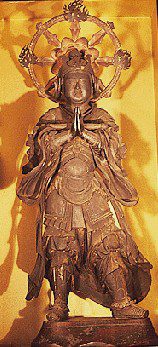
Ida-ten, also known as Jizō or Jizō Bosatsu, is a significant figure in Buddhist mythology. This deity is primarily recognized in Japanese Buddhism, where he holds a special place in the hearts of many followers. Ida-ten is often depicted as a protector of travelers and children, and he is associated with compassion and guidance. His imagery and teachings have influenced various aspects of Japanese culture, including art, literature, and religious practices. Understanding Ida-ten requires exploring his origins, attributes, and the role he plays within the larger context of Buddhist beliefs.
Origins of Ida-ten
The origins of Ida-ten can be traced back to ancient Indian mythology, where similar deities existed. In the early days of Buddhism, many gods and goddesses were adapted from local traditions and beliefs. This adaptation allowed Buddhism to flourish in different regions, including Japan. As the teachings of Buddhism spread, Ida-ten emerged as a unique figure that combined various elements from earlier deities and local beliefs. His name, which translates to “the heavenly being who travels,” signifies his role as a protector of those who journey through life.
 Hotoke
Ida-ten’s transformation from Indian to Japanese mythology involved a series of changes and adaptations. In India, he was known as Mahāsthāmaprāpta, a bodhisattva associated with wisdom and compassion. As Buddhism moved to China and then to Japan, the characteristics of Mahāsthāmaprāpta blended with local deities and beliefs. In Japan, Ida-ten is often represented as a youthful figure, embodying the qualities of strength and benevolence. This evolution reflects the dynamic nature of mythology and how deities can adapt to the cultural context in which they are worshiped.
Attributes of Ida-ten
Ida-ten is often depicted with specific attributes that symbolize his protective and guiding nature. One of the most recognizable features of Ida-ten is his staff, which he uses to guide lost souls and travelers. This staff represents his role as a protector, offering support and assistance to those who are in need. In many representations, he is also shown with a crown or halo, indicating his divine status and connection to the spiritual realm.
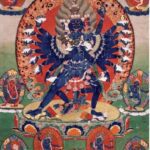 Hevajra
Another important aspect of Ida-ten’s attributes is his compassion. He is often portrayed with a gentle expression, reflecting his caring nature. This compassion extends not only to children and travelers but also to all beings who suffer. Many followers of Ida-ten believe that by invoking his name, they can receive his guidance and protection during difficult times. His image is commonly found in temples and shrines, where devotees come to pray for safety and support.
Common Symbols Associated with Ida-ten
- Staff: Symbolizes guidance and protection.
- Crown: Represents his divine status.
- Gentle expression: Reflects his compassionate nature.
- Lotus flower: A symbol of purity and enlightenment.
In addition to these symbols, Ida-ten is often associated with the lotus flower, which represents purity and enlightenment in Buddhist tradition. The lotus grows in muddy waters but blooms beautifully, symbolizing the ability to rise above suffering and ignorance. This association further emphasizes Ida-ten’s role as a guiding figure who helps individuals navigate the challenges of life.
The Role of Ida-ten in Buddhist Practices
Ida-ten plays a crucial role in various Buddhist practices, particularly in Japan. Many followers seek his blessings and protection through rituals and prayers. One common practice is to visit temples dedicated to Ida-ten, where devotees can offer incense and make requests for guidance. These rituals often involve reciting specific prayers or sutras that invoke Ida-ten’s name, emphasizing the importance of his presence in their lives.
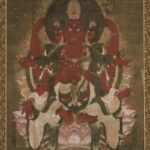 Hayagriva
In addition to individual worship, Ida-ten is also celebrated during festivals and communal gatherings. These events often include processions where images of Ida-ten are carried through the streets, allowing the community to come together in celebration and devotion. During these festivals, people express their gratitude for the protection and guidance they believe they have received from Ida-ten throughout the year.
Popular Practices Involving Ida-ten
- Visiting temples dedicated to Ida-ten.
- Offering incense and prayers for protection.
- Participating in festivals celebrating Ida-ten.
- Reciting specific prayers or sutras invoking his name.
These practices not only foster a sense of community among followers but also reinforce the belief in Ida-ten’s protective qualities. Many individuals report feeling a sense of peace and reassurance when they engage in these rituals, highlighting the deep emotional connection that exists between devotees and this deity.
Ida-ten in Art and Literature
Ida-ten has significantly influenced Japanese art and literature throughout history. His imagery appears in various forms, from traditional paintings to modern interpretations. Artists often depict him surrounded by children, symbolizing his role as a protector of the young and innocent. These representations evoke feelings of warmth and safety, reinforcing the cultural significance of Ida-ten in Japanese society.
In literature, Ida-ten is often portrayed as a wise and compassionate figure who offers guidance to characters facing challenges. His stories frequently emphasize themes of kindness, selflessness, and the importance of helping others. These narratives not only serve to entertain but also convey moral lessons that resonate with readers. The enduring popularity of these stories reflects the lasting impact of Ida-ten on Japanese culture.
Artistic Representations of Ida-ten
- Paintings: Often depict him with children and symbols of protection.
- Sculptures: Found in temples, showcasing his divine attributes.
- Literary works: Stories that highlight his wisdom and compassion.
Many contemporary artists continue to draw inspiration from Ida-ten, creating works that reinterpret his image and message for modern audiences. This ongoing engagement with Ida-ten in art and literature demonstrates his relevance in contemporary society and the continued appreciation for his qualities of compassion and guidance.
Ida-ten and Cultural Significance
Ida-ten’s cultural significance extends beyond religious practices and artistic representations. He is a symbol of hope and protection for many people in Japan and beyond. In times of crisis or uncertainty, individuals often turn to Ida-ten for comfort and reassurance. His image serves as a reminder that there is always a guiding force available to help navigate life’s challenges.
Furthermore, Ida-ten’s role as a protector of children resonates deeply within Japanese culture. Many parents teach their children about Ida-ten, instilling values of compassion and kindness from a young age. This cultural transmission ensures that the teachings and attributes associated with Ida-ten are passed down through generations, reinforcing the importance of empathy and support within families and communities.
Ida-ten’s Influence on Modern Society
- Symbol of hope and protection during crises.
- Teachings instilled in children to promote kindness.
- Continued relevance in contemporary art and literature.
As society evolves, the teachings and values associated with Ida-ten remain relevant. His emphasis on compassion and support continues to inspire individuals to help one another, fostering a sense of community and connectedness. This enduring legacy highlights the importance of mythology and its ability to shape cultural values and practices over time.
Ida-ten holds a prominent place in Buddhist mythology, particularly within Japanese culture. His origins, attributes, and role in religious practices illustrate the rich tapestry of beliefs surrounding this deity. Through art, literature, and cultural significance, Ida-ten continues to inspire and guide individuals, emphasizing the importance of compassion and support in our lives.