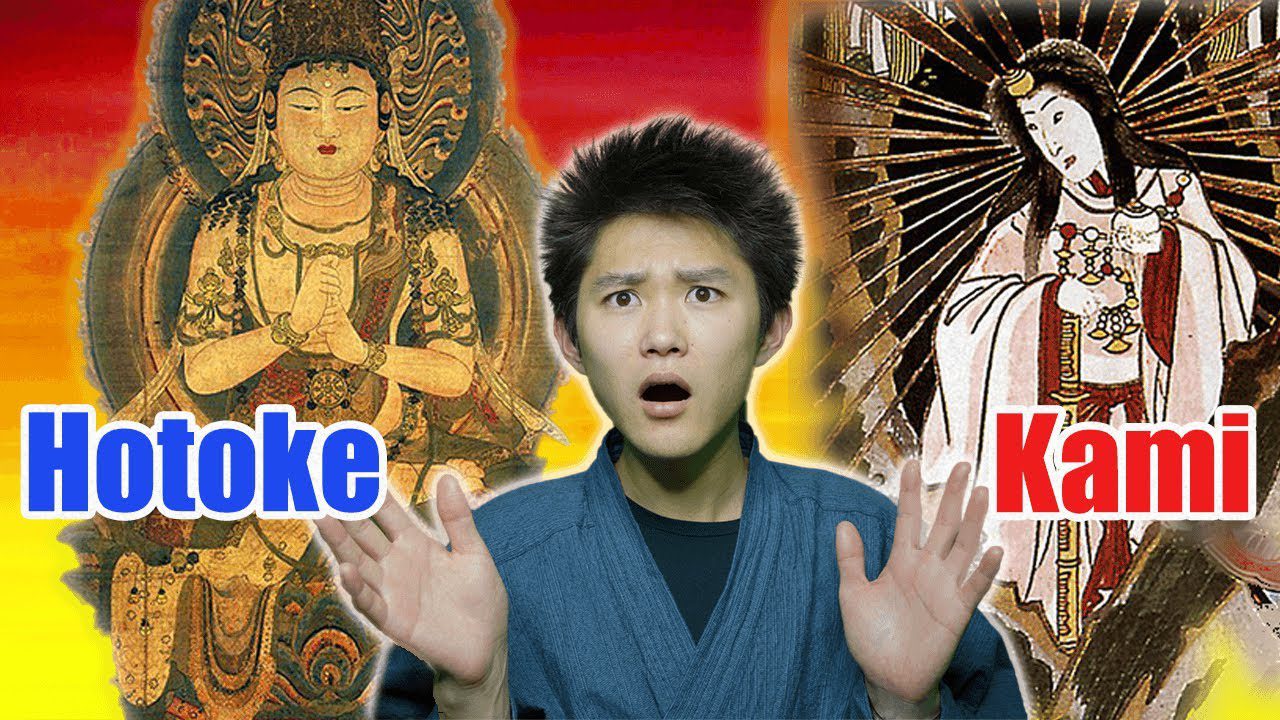
In the realm of Buddhist mythology, the term Hotoke holds significant meaning and importance. It is often used to refer to the concept of enlightenment and the state of being that comes with it. The word “Hotoke” is derived from the Japanese language, where it is commonly associated with the Buddha and represents the ultimate goal of Buddhist practice. To understand the essence of Hotoke, one must delve into the teachings of Buddhism, the life of the Buddha, and the various interpretations of enlightenment across different cultures.
The Meaning of Hotoke
The word Hotoke translates to “Buddha” in English. It signifies the enlightened one, a being who has attained Nirvana and is free from the cycle of birth and death, known as Samsara. In this context, Hotoke represents the highest spiritual achievement within Buddhism. When practitioners refer to someone as Hotoke, they are acknowledging that person’s deep understanding of the nature of reality and their profound compassion for all living beings.
 Hevajra
Hotoke is not just a title; it embodies a state of being that is characterized by wisdom, compassion, and peace. The teachings of the Buddha emphasize the importance of achieving this state through meditation, ethical conduct, and the development of wisdom. Therefore, the journey towards becoming a Hotoke involves rigorous self-discipline and a commitment to understanding the fundamental truths of existence.
The Life of the Buddha
The story of Hotoke is deeply intertwined with the life of Siddhartha Gautama, who later became known as the Buddha. Born into a royal family in what is now Nepal, Siddhartha lived a life of luxury and comfort. However, upon encountering the realities of suffering, old age, sickness, and death, he became deeply troubled. This realization led him to renounce his royal life and seek a path to enlightenment.
Siddhartha spent years practicing severe austerities, but he found that this approach did not lead to the understanding he sought. Ultimately, he decided to sit under the Bodhi tree in Bodh Gaya, India, vowing not to rise until he attained enlightenment. After days of meditation and introspection, Siddhartha finally achieved a profound understanding of the nature of suffering and the path to liberation. It was at this moment that he became the Buddha, the Hotoke.
 Hayagriva
The Teachings of the Buddha
Once he attained enlightenment, the Buddha began to share his insights with others. His teachings, known as the Dharma, revolve around the Four Noble Truths and the Eightfold Path. The Four Noble Truths outline the nature of suffering and the path to overcoming it. They state that suffering exists, that it arises from desire, that it can cease, and that there is a path leading to its cessation.
The Eightfold Path provides practical guidelines for ethical living and mental development. It consists of Right Understanding, Right Intent, Right Speech, Right Action, Right Livelihood, Right Effort, Right Mindfulness, and Right Concentration. Following this path is essential for those who aspire to become a Hotoke, as it fosters personal growth and leads to the realization of one’s true nature.
The Concept of Enlightenment
Enlightenment, or Bodhi, is the state of understanding that Hotoke embodies. It involves seeing things as they truly are, free from the distortions of ignorance and attachment. This profound insight allows individuals to experience life with clarity and compassion. The Buddha’s teachings suggest that enlightenment is not a distant goal but an attainable state for all beings.
 Izusan Gongen
In different cultures, the concept of enlightenment may vary, but the core idea remains the same. It is about awakening to the truth of existence and realizing the interconnectedness of all life. In this sense, becoming a Hotoke means recognizing one’s role in the larger web of life and acting with kindness and wisdom towards all beings.
The Role of Meditation
Meditation plays a crucial role in the journey towards becoming a Hotoke. It is through meditation that practitioners cultivate mindfulness and develop a deeper understanding of their thoughts and emotions. The practice of meditation allows individuals to quiet their minds and focus on the present moment, fostering a sense of inner peace and clarity.
There are various forms of meditation in Buddhism, including Vipassana (insight meditation) and Samatha (calm-abiding meditation). Each technique serves a different purpose, but all aim to deepen one’s awareness and facilitate the journey towards enlightenment. By regularly engaging in meditation, individuals can gradually peel away the layers of ignorance and attachment that cloud their perception.
The Importance of Compassion
Compassion is a fundamental aspect of the Hotoke ideal. The Buddha taught that true enlightenment cannot be separated from the practice of compassion. This means not only developing a kind heart towards oneself but also extending that kindness to others. When one becomes a Hotoke, they recognize the suffering of all beings and feel a genuine desire to alleviate that suffering.
Practicing compassion involves understanding the interconnectedness of life and realizing that one’s happiness is linked to the happiness of others. The Buddha encouraged his followers to engage in acts of kindness, whether through volunteer work, offering support to those in need, or simply being present for others. This compassionate approach is vital for anyone seeking to embody the qualities of a Hotoke.
Hotoke in Different Cultures
The concept of Hotoke transcends cultural boundaries and can be found in various forms across different Buddhist traditions. In Japan, Hotoke is often associated with the Amida Buddha, who represents infinite light and life. Devotees believe that through faith in Amida, one can attain rebirth in the Pure Land, a place where enlightenment is easily achievable.
In Tibetan Buddhism, the notion of enlightenment is also deeply rooted in the concept of Bodhisattva, a being who seeks enlightenment not only for themselves but for all sentient beings. The Bodhisattva ideal emphasizes the importance of compassion and selflessness, which aligns closely with the qualities of Hotoke. This highlights the diversity within Buddhist teachings while maintaining the core values of enlightenment and compassion.
Challenges on the Path to Hotoke
While the path to becoming a Hotoke is rewarding, it is not without challenges. One of the primary obstacles is the pervasive nature of ignorance and attachment. These mental afflictions can cloud judgment and create suffering, making it difficult for individuals to see the truth of their existence. Overcoming these challenges requires persistent effort and dedication to one’s practice.
Another challenge is the societal pressures that often distract individuals from their spiritual goals. In a fast-paced world filled with material distractions, maintaining focus on the path to enlightenment can be daunting. It is essential for practitioners to create a supportive environment, seek guidance from teachers, and surround themselves with like-minded individuals to stay motivated.
The Community of Practitioners
The community of practitioners, known as Sangha, plays a vital role in the journey towards becoming a Hotoke. The Sangha provides support, encouragement, and guidance to individuals on their spiritual path. It is within this community that practitioners can share their experiences, challenges, and insights, fostering a sense of belonging and collective growth.
Engaging with the Sangha can take various forms, including attending group meditations, participating in retreats, or studying Buddhist texts together. These interactions help deepen one’s understanding of the teachings and cultivate a supportive network that reinforces the values of compassion and mindfulness.
The Legacy of Hotoke
The legacy of Hotoke extends beyond individual practitioners; it influences the broader world as well. The teachings of the Buddha have inspired countless individuals to seek a path of peace, compassion, and understanding. The principles embodied by Hotoke resonate with many, encouraging people to work towards a more harmonious and compassionate society.
In contemporary times, the values associated with Hotoke can be seen in various movements that promote social justice, environmental sustainability, and mental well-being. The emphasis on compassion and interconnectedness serves as a guiding principle for those advocating for positive change in the world. This legacy highlights the timeless relevance of the teachings of the Buddha and the enduring significance of Hotoke.
Personal Reflections on Hotoke
For many practitioners, the journey towards becoming a Hotoke is a deeply personal and transformative experience. It involves introspection, self-discovery, and a commitment to personal growth. Each individual’s path is unique, shaped by their experiences, challenges, and aspirations. This personal journey is often marked by moments of insight, clarity, and profound connection with oneself and others.
Practitioners may find that their understanding of Hotoke evolves over time. Initially, it may represent a distant ideal, but as they engage with the teachings and practice, it becomes a more attainable and relatable goal. This evolution reflects the dynamic nature of spiritual growth and the profound impact that the pursuit of enlightenment can have on an individual’s life.
The Future of Hotoke in Modern Society
As society continues to evolve, the relevance of Hotoke remains significant. In a world characterized by rapid change and increasing complexity, the teachings of the Buddha offer valuable insights into navigating life’s challenges. The emphasis on mindfulness, compassion, and interconnectedness resonates with many who seek deeper meaning and fulfillment in their lives.
Moreover, the principles embodied by Hotoke can serve as a foundation for addressing pressing global issues such as inequality, climate change, and mental health. By promoting a compassionate and mindful approach, individuals can contribute to creating a more just and harmonious world. This potential for positive change underscores the enduring legacy of Hotoke and the teachings of the Buddha.
Hotoke represents a profound ideal within Buddhist mythology, encapsulating the essence of enlightenment, compassion, and wisdom. Through understanding the life of the Buddha, the teachings of Buddhism, and the importance of meditation and community, individuals can embark on a transformative journey towards becoming a Hotoke. This path is not only personal but also contributes to the greater good of society, fostering a more compassionate and interconnected world.