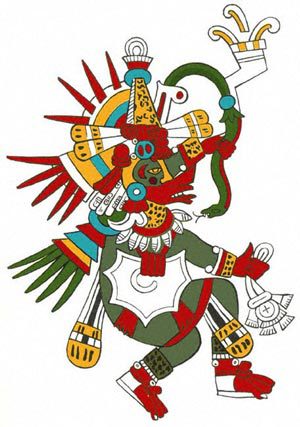
The term Hobnil refers to a significant figure in Maya mythology. The Maya civilization, known for its rich cultural and spiritual traditions, had a complex pantheon of gods and deities, each representing various aspects of life, nature, and the universe. Hobnil is often associated with agriculture, particularly the cultivation of maize, which was a staple food for the Maya people. Understanding Hobnil’s role within the context of Maya mythology provides insight into the agricultural practices, religious beliefs, and the importance of nature in Maya society.
The Role of Hobnil in Maya Mythology
Hobnil is primarily recognized as a god of agriculture. In many ancient cultures, deities associated with farming were crucial because they directly impacted the community’s survival and prosperity. The Maya believed that Hobnil was responsible for ensuring a bountiful harvest, particularly of maize, which was not just a food source but also held sacred significance. In this way, Hobnil was revered and often invoked during planting and harvesting seasons. His influence extended beyond mere sustenance; it represented the interconnectedness of life, spirituality, and the natural world.
 Hero Twins
In the Maya creation myth, Hobnil plays a role that emphasizes the importance of agriculture. The creation of maize, as narrated in the Popol Vuh, illustrates the belief that humans were made from maize dough. This connection between humans and maize further elevates Hobnil’s status as a deity. By nurturing the land and ensuring successful crops, Hobnil was seen as a protector and provider for the people. The act of farming was not just a daily chore; it was a sacred duty that required respect and reverence for the gods.
Symbols and Representations of Hobnil
Hobnil is often depicted with various symbols that represent his agricultural attributes. Common symbols associated with him include maize, farming tools, and sometimes animals that are linked to agriculture. These representations highlight his connection to the earth and the fertility of the land. In ancient artifacts, you may find carvings or paintings that showcase Hobnil alongside maize plants, reinforcing the idea that he is intimately tied to the growth and sustenance of crops.
Additionally, Hobnil is sometimes portrayed with a staff or a sickle, tools that are essential for farming. These tools symbolize the hard work and labor that the Maya people dedicated to agriculture. By depicting Hobnil with these symbols, the Maya not only honored him but also recognized the importance of their own efforts in cultivating the land. This relationship between deity and farmer reflects a broader theme in Maya mythology, where human actions are seen as directly influencing divine favor and the success of agricultural endeavors.
 Huracan
Importance of Maize in Maya Culture
- Maize as a staple food
- Maize in rituals and ceremonies
- Maize as a symbol of life and sustenance
Maize, or corn, was not just a crop for the Maya; it was a cornerstone of their diet and culture. It provided the primary source of nutrition and was incorporated into various dishes, from tortillas to tamales. The significance of maize extended beyond mere sustenance; it was woven into the very fabric of Maya identity. The cultivation and consumption of maize were accompanied by rituals that honored Hobnil and other deities associated with agriculture.
In many rituals and ceremonies, maize played a central role. Offerings of maize were made to the gods to ensure a good harvest. These rituals often involved the community coming together to celebrate the planting and harvesting seasons. By participating in these ceremonies, the Maya people reinforced their connection to the land and their reliance on Hobnil’s blessings. This communal aspect of farming highlighted the importance of cooperation and shared responsibility in agricultural practices.
Festivals and Rituals Dedicated to Hobnil
The Maya calendar was filled with festivals dedicated to various deities, including Hobnil. One of the most significant was the harvest festival, where communities would come together to celebrate the end of the growing season. During this festival, offerings of maize and other crops were made to Hobnil in gratitude for a successful harvest. The celebrations included music, dancing, and feasting, emphasizing the joy and relief that accompanied a bountiful yield.
 Hachakyum
Another important ritual was the planting ceremony, where the community would gather to bless the seeds before planting them in the fields. This ritual often involved prayers and offerings to Hobnil, asking for his protection and guidance throughout the growing season. By acknowledging the divine influence on their agricultural practices, the Maya people cultivated a sense of harmony between their daily lives and their spiritual beliefs.
Community and Agriculture
- Collaboration in farming
- Social structures around agriculture
- Impact of successful harvests on society
The success of agriculture in Maya society was deeply intertwined with community collaboration. Farming was not merely an individual effort; it was a collective responsibility. Families and neighbors would often work together to prepare the fields, plant the seeds, and harvest the crops. This collaboration fostered a sense of unity and shared purpose among the community. Hobnil’s blessings were seen as a reward for this teamwork, reinforcing the idea that divine favor was granted to those who worked together harmoniously.
Moreover, the social structures within Maya society were influenced by agricultural practices. The success of a harvest could determine the wealth and status of families and communities. Those who had abundant crops often gained more respect and influence within the community. This dynamic created a hierarchy based on agricultural productivity, where Hobnil’s favor could elevate individuals or families to positions of power.
Modern Interpretations of Hobnil
In contemporary discussions about Maya mythology, Hobnil’s significance continues to resonate. As interest in ancient cultures grows, many scholars and enthusiasts seek to understand the relevance of these myths in today’s world. Hobnil is often viewed as a symbol of the importance of agriculture and sustainability. In an era where environmental issues are at the forefront, the reverence for nature embodied by Hobnil serves as a reminder of the need to respect and care for the earth.
Modern agricultural practices can also benefit from the wisdom embedded in ancient traditions. Many farmers today are looking back at traditional methods that align with sustainable practices, much like those honored by Hobnil. By understanding the balance between human needs and environmental health, contemporary society can draw inspiration from the agricultural principles found in Maya mythology.
Hobnil in Popular Culture
- Literature and storytelling
- Artistic representations
- Educational initiatives
The figure of Hobnil has found its way into various forms of popular culture, including literature and art. Many writers draw upon the rich tapestry of Maya mythology to create stories that explore themes of nature, agriculture, and spirituality. By incorporating Hobnil into these narratives, authors can highlight the enduring significance of agricultural deities in understanding human relationships with the environment.
Artistic representations of Hobnil can also be found in contemporary artworks, where artists use traditional motifs to connect with their cultural heritage. These representations serve not only as a tribute to the ancient past but also as a means of educating others about the importance of agriculture and the sacredness of the earth. Educational initiatives that focus on Maya mythology often include discussions about Hobnil, emphasizing his role in the agricultural practices that shaped Maya civilization.
Hobnil, as a prominent figure in Maya mythology, represents the deep connection between agriculture, spirituality, and community. His role as a god of agriculture highlights the importance of maize in Maya culture and the collective responsibility of farming. Through festivals, rituals, and modern interpretations, Hobnil’s legacy continues to inspire discussions about sustainability and respect for nature. Understanding Hobnil offers valuable insights into the intricate relationship between humans and the environment, reminding us of the timeless lessons embedded in ancient traditions.