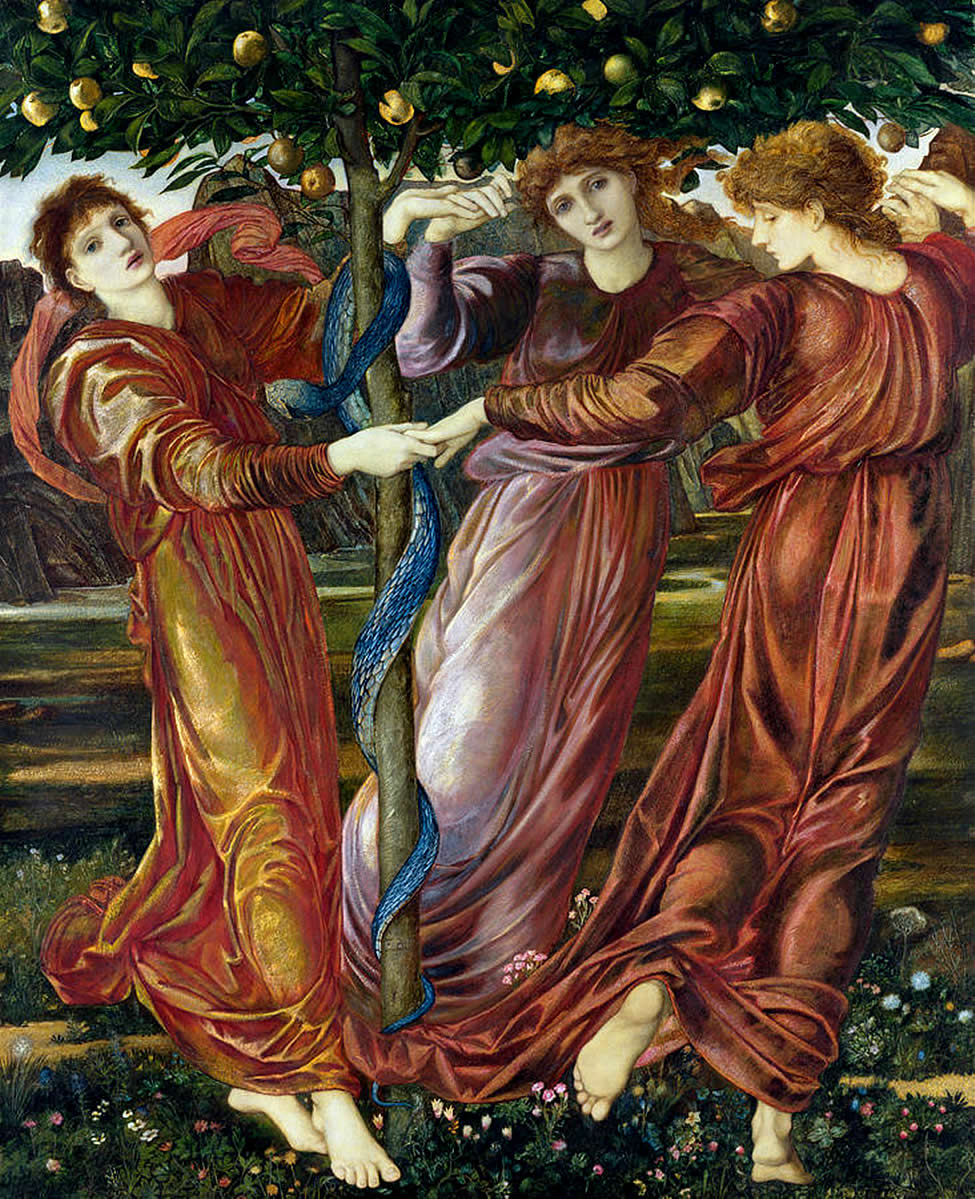
The Hesperides are a fascinating part of Greek mythology. They are often depicted as beautiful nymphs who tend to a garden filled with golden apples. These apples are not just ordinary fruits; they are magical and grant immortality to those who consume them. The Hesperides live in a faraway place, usually described as being at the edge of the world, and their garden is a place of wonder and enchantment. The stories of the Hesperides highlight themes of desire, immortality, and the pursuit of knowledge, making them an intriguing subject for anyone interested in ancient myths.
Origin of the Hesperides
The origin of the Hesperides is shrouded in mystery, as is the case with many figures in Greek mythology. Some sources suggest that they are the daughters of Atlas, the Titan who holds up the sky. According to this myth, the Hesperides are tasked with guarding the golden apples that were given to them by Gaia, the Earth goddess. This connection to Atlas is significant, as it places them in the context of the larger struggles between gods and Titans, highlighting their importance in the cosmic order.
 Hesperus
Other accounts describe the Hesperides as the daughters of Night (Nyx) or Hesperus, the evening star. This duality in their parentage symbolizes their connection to both light and darkness, as well as the transition between day and night. Such contrasts are common in mythology, representing the complexities of life and the dual nature of existence. Regardless of their origins, the Hesperides are consistently depicted as guardians of something precious, reinforcing their role in the mythological narrative.
The Garden of the Hesperides
The garden where the Hesperides reside is described as a magical place, filled with vibrant colors and enchanting fragrances. It is often depicted as being located at the edge of the world, beyond the reach of mortals. The garden is not just a beautiful landscape; it is also a place of danger and mystery. The golden apples that grow there are highly coveted, and many heroes have sought to obtain them. This desire often leads to perilous quests, showcasing the allure of the garden and the challenges associated with it.
In the garden, the Hesperides are said to tend to the golden apple trees, ensuring that the fruits remain safe from those who would seek to steal them. They are often accompanied by a fearsome dragon named Ladon, who acts as an additional guardian. This dragon is described as having a hundred heads and is a formidable protector of the apples. The presence of Ladon emphasizes the importance of the apples and the lengths to which the Hesperides must go to safeguard them.
 Hestia
Significance of the Golden Apples
The golden apples of the Hesperides are more than just fruits; they symbolize immortality and eternal youth. In various myths, these apples are sought after by heroes, gods, and even mortals who wish to escape the inevitability of aging and death. The quest for the apples often serves as a metaphor for the human desire for eternal life and the lengths to which individuals will go to achieve it. This theme resonates deeply with audiences, as it reflects a universal aspect of the human experience.
One of the most famous myths involving the golden apples is the story of Heracles (Hercules). As part of his Twelve Labors, Heracles is tasked with retrieving the golden apples from the Hesperides. This labor not only tests his strength but also his cunning, as he must find a way to outsmart both the Hesperides and Ladon. The journey to obtain the apples represents the challenges faced in the pursuit of one’s desires and the sacrifices that must be made along the way.
The Hesperides in Art and Literature
The Hesperides have inspired countless works of art and literature throughout history. Their portrayal as beautiful nymphs guarding a magical garden has captivated the imagination of artists and writers alike. In ancient Greek pottery, they are often depicted alongside the golden apples, emphasizing their role as guardians. These artistic representations highlight the beauty and allure of the Hesperides, while also conveying the sense of danger associated with their garden.
 Hippolyta
In literature, the Hesperides appear in various texts, including the works of Hesiod and Apollonius of Rhodes. Hesiod’s “Theogony” provides one of the earliest references to the Hesperides, describing their role in the cosmic order. Apollonius, on the other hand, elaborates on their stories in “Argonautica,” where they interact with heroes like Jason and Heracles. These texts not only preserve the myths surrounding the Hesperides but also reflect the cultural values and beliefs of ancient Greece.
Modern Interpretations of the Hesperides
In modern times, the Hesperides continue to be a source of inspiration for artists, writers, and filmmakers. Their stories have been reimagined in various forms, from novels to movies, showcasing their enduring appeal. Many contemporary works explore themes of feminism and the role of women in mythology, often reinterpreting the Hesperides as powerful figures who challenge traditional narratives. This shift in perspective allows for a deeper understanding of their significance and the complexities of their character.
Additionally, the Hesperides have found a place in popular culture, appearing in video games, television shows, and graphic novels. These modern adaptations often blend traditional mythology with contemporary themes, making the Hesperides accessible to new audiences. By doing so, they keep the myths alive and relevant, allowing for ongoing exploration of their symbolism and meaning.
The Role of the Hesperides in the Greek Pantheon
The Hesperides occupy a unique position within the Greek pantheon. While they are not major deities like Zeus or Athena, their role as guardians of the golden apples places them in a significant narrative space. They represent the connection between mortals and the divine, as their garden is a place where the two realms intersect. This boundary between the human and the divine is a common theme in mythology, emphasizing the importance of the Hesperides in the broader context of Greek myths.
Furthermore, the Hesperides embody the duality of nature. They are both nurturing figures, tending to the garden and its magical fruits, and fierce protectors, ready to defend their treasure from intruders. This complexity adds depth to their character, illustrating the multifaceted nature of women in mythology. The Hesperides serve as a reminder that beauty and danger often coexist, reflecting the complexities of life itself.
The Hesperides are a captivating aspect of Greek mythology, embodying themes of beauty, danger, and the quest for immortality. Their stories continue to resonate with audiences today, serving as a reminder of the timeless nature of these ancient myths. Through their connection to the golden apples and their role as guardians, the Hesperides invite us to explore the complexities of desire and the human experience. As we delve into their myths, we uncover layers of meaning that speak to the universal aspects of our lives.